What Is Substack and How Does It Work? (A Writer's Guide)

Substack is where I make multiple six figures a year as a writer, so I’m biased in the most informed way possible. Between my two publications (Make Writing Your Job, a Top 20 Business bestseller, and Sutoscience), I’ve spent years inside every corner of this platform, including the corners with cobwebs. So here’s the plain-English answer to what Substack is and how it works, for readers and writers alike. For a sense of scale, the most popular Substacks shows what the biggest publications on the platform are doing.
Substack is a free publishing platform that combines a newsletter, a website, podcasts, video, and a paid-subscription business in one tool. Writers publish, readers subscribe by email, and when a writer turns on paid subscriptions, Substack takes 10% of the revenue. If you never monetize, it costs nothing.
What Is Substack, Exactly?
At its core, Substack gives every writer a publication: a home on the internet that is simultaneously an email newsletter, a website with an archive, and (if you want) a podcast feed and video channel. When you publish a post, it goes to your subscribers’ inboxes and lives on your site at yourname.substack.com. Your dashboard is the speedometer: subscribers, revenue, drafts, and what’s scheduled to go out.
What makes it different from a blog or an email tool is the network around all of this. Substack has its own social feed (Notes), recommendations between publications, bestseller lists, and an app where millions of readers already browse and pay for writing.
How Does Substack Work for Readers?
Reading is free unless a writer paywalls their work. You subscribe with your email, posts arrive in your inbox (or the Substack app), and there’s no account required just to browse. When you love someone’s work, paid subscriptions typically run $5–$10 a month, billed through Stripe, and the money goes to the writer, not the platform. Cancel any time. It is a good deal for readers.
How Does Substack Work for Writers?
You write posts in a clean editor, and every post is simultaneously an email and a web page. Beyond articles, you can run podcasts, publish video, go live, and split your publication into sections readers can subscribe to independently. Growth comes from the network: other publications recommend yours, your Notes travel the feed, and your category placement decides which bestseller list you can climb. Mine reads Top 20 in Business, which is the single most useful credential I have.
One insider detail worth knowing: the bestseller badges are a decoder ring. Purple means tens of thousands of paid subscribers, filled orange means thousands, outlined means hundreds. Study the lists in your category and you’ll know exactly what readers there pay for. (My setup guide walks through categories step by step.)
How to Use Substack
Using Substack takes about five minutes as a reader and an afternoon as a writer. Here’s the reader version:
Find a publication by searching substack.com or the app by topic, or start with the most popular Substacks.
Subscribe with your email. The free tier costs nothing, and you only pay for the writers you choose to support.
Read in your inbox or in the Substack app, which also carries Notes and chats.
Manage everything from your account settings, where you can unsubscribe or cancel a paid plan any time.
And the writer version:
Create a publication with a name, a URL, and a category. My setup guide walks through each choice.
Publish your first post. It goes out as an email and lives on the web at the same time.
Connect Stripe and turn on paid subscriptions whenever you’re ready.
Grow inside the network with Notes, recommendations, and Lives. I ran a 12-hour Substack Live to launch Write for Money and Power, and the rest of my playbook is in how to grow a Substack.
How Does Substack Make Money?
Substack takes 10% of paid-subscription revenue, plus Stripe’s ~3% processing. The business model has no monthly fees, no ads sold against your writing. I break down the exact math (including what the 10% costs me a year) in my Substack pricing guide. The incentive alignment is the strategy: Substack only earns when writers do, which is why publications with payments enabled get pushed harder by its discovery machine.
Who Owns Substack?
Substack is a private company, so there’s no stock to buy. Chris Best (the CEO), Hamish McKenzie, and Jairaj Sethi founded it in 2017, and venture investors own much of the rest. Andreessen Horowitz led the 2021 round that valued it at $650 million. In July 2025, BOND and The Chernin Group led a $100 million Series C that valued Substack at about $1.1 billion, according to TechCrunch.
The part that matters for writers: Substack owns the platform, but you own your list. Your subscribers, your posts, and your Stripe account all come with you if you ever leave.
What Makes Substack Different From a Blog or a Mailing List?
You own the audience. Your subscriber list exports as a CSV any time. A social following can’t leave the platform. Your Substack list can.
The network grows you. Recommendations and Notes brought a meaningful share of my 42,000+ subscribers, earned over three years with no paid ads. A standalone blog or Mailchimp list has no equivalent.
Payments are one toggle. No checkout pages, no plugins, no merchant accounts. Readers’ cards are usually already on file.
The trade-off is Google. Substack publications rarely rank for evergreen searches, which is why I pair mine with this website. The full comparison lives in Substack vs WordPress and my alternatives roundup.
The Parts of Substack, Decoded
Publication: your newsletter-plus-website home base.
Notes: Substack’s short-form social feed, with a subscribe button next to every post.
Restack: Notes’ version of a retweet, and how posts travel.
Recommendations: publications endorsing each other, shown to every new subscriber. The engine behind most Substack growth stories, mine included.
Sections: sub-newsletters readers can opt in or out of individually.
Pledges: readers promising to pay before you’ve even turned on subscriptions.
Founding tier: a higher-priced level for superfans, usually $150–$500 a year.
Should You Start a Substack?
If you’re a writer who wants an audience you own (and maybe an income to go with it), yes, and sooner than you think. It costs nothing to find out. Start with my honest is Substack worth it assessment, then the step-by-step setup guide, and when you’re ready to earn, how to make money on Substack.
Read My Two Substacks
I’d be a strange guide to Substack if I hid my own publications, so here they are. Both have a free tier.
Make Writing Your Job: my Top 25 Business bestseller, with 60,000+ subscribers, about writing jobs and the business of writing.
Sutoscience: my personal Substack, with growth experiments (real dashboards included), essays, and serialized fiction.
FAQ: What Is Substack?
Is Substack Free?
Yes. Writing, publishing, hosting, and sending email are free at any list size, and readers can follow any publication’s free posts without paying. Substack only makes money when you turn on paid subscriptions.
How Much Does Substack Cost?
Nothing per month. When you charge for subscriptions, Substack takes 10% of that revenue and Stripe takes roughly 2.9% + 30¢ per transaction, so you keep about 87%. My Substack pricing guide runs the math at real subscriber counts.
Is Substack Social Media?
Increasingly, partly — Notes looks and feels like X or Threads. But the core product is email: a direct, algorithm-proof line to readers, which is exactly what social media isn’t.
Who Owns Your Content on Substack?
You do. Your writing, your subscriber list, and your Stripe relationship are all yours, and everything exports if you ever leave.
Does It Cost Money to Read Substack?
Only if you choose to pay a specific writer. Free publications and previews cost nothing, with no account needed to browse.
Can You Actually Make Money on Substack?
Yes — my newsletters gross $267,537 in annualized revenue, built over three years of weekly publishing. The honest timeline and the four revenue streams are in this guide.
Want a Guide on the Inside?
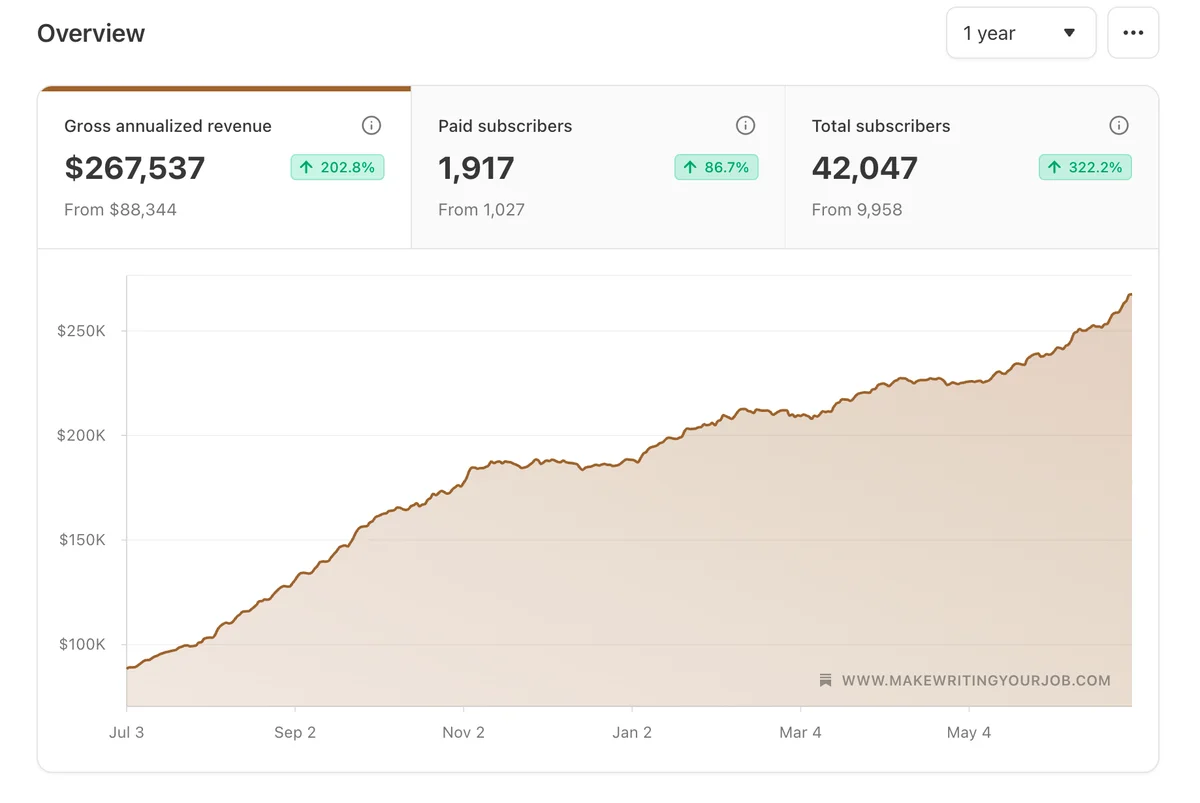
What “how Substack works” looks like when it works: my Make Writing Your Job dashboard.

I’ve helped writers and founders launch publications from zero through my Substack consulting, and I publish everything I learn in my Substack resource hub. Tell me about your newsletter idea below, or watch me set up a Substack from scratch on YouTube.
The platform is simple. The craft is the fun part. I’m rooting for you.

Hello! 👋 I’m Amy Suto. I’m a bestselling author, San Francisco content creator, and co-creator of the job board 🛋️ CozyJobs. Join CozyJobs to browse thousands of jobs and get daily matches to your inbox — writing and creative roles front and center!
GET ON THE LIST
Find your next writing job on 🛋️ COZYJOBS — thousands of jobs on a board updated daily, writing and creative roles front and center. ✨ The application tracker is free (basic CozyApply autofill is too), and paid plans start at $25/month with daily job matches straight to your inbox. Real writers are landing real work—don’t miss out.
FOLLOW ME ON GOOGLE
Add me as a preferred source and Google shows you more of my posts in Top Stories.
MY NEW BOOK: WRITE FOR MONEY & POWER
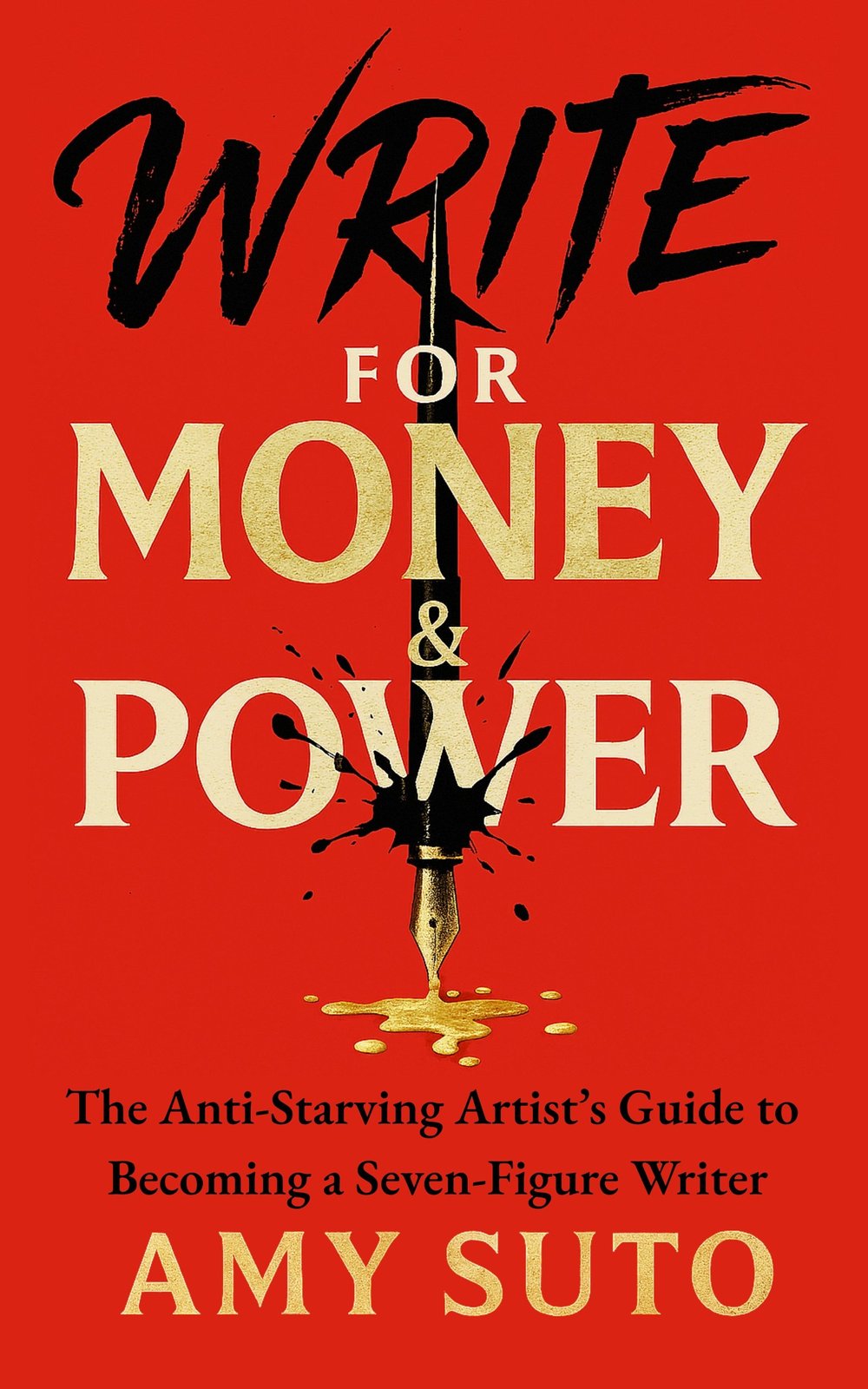
The anti-starving-artist's guide to becoming a seven-figure writer.
MY NEW NOVEL: LET ME BE YOUR GHOST

My romantic thriller arrives November 2026 — a ghostwriter with secrets, a billionaire CEO with more. Preorder one book, get two. Claim your bonus here →
MY ROMANTASY NOVEL: THE ASH TRIALS
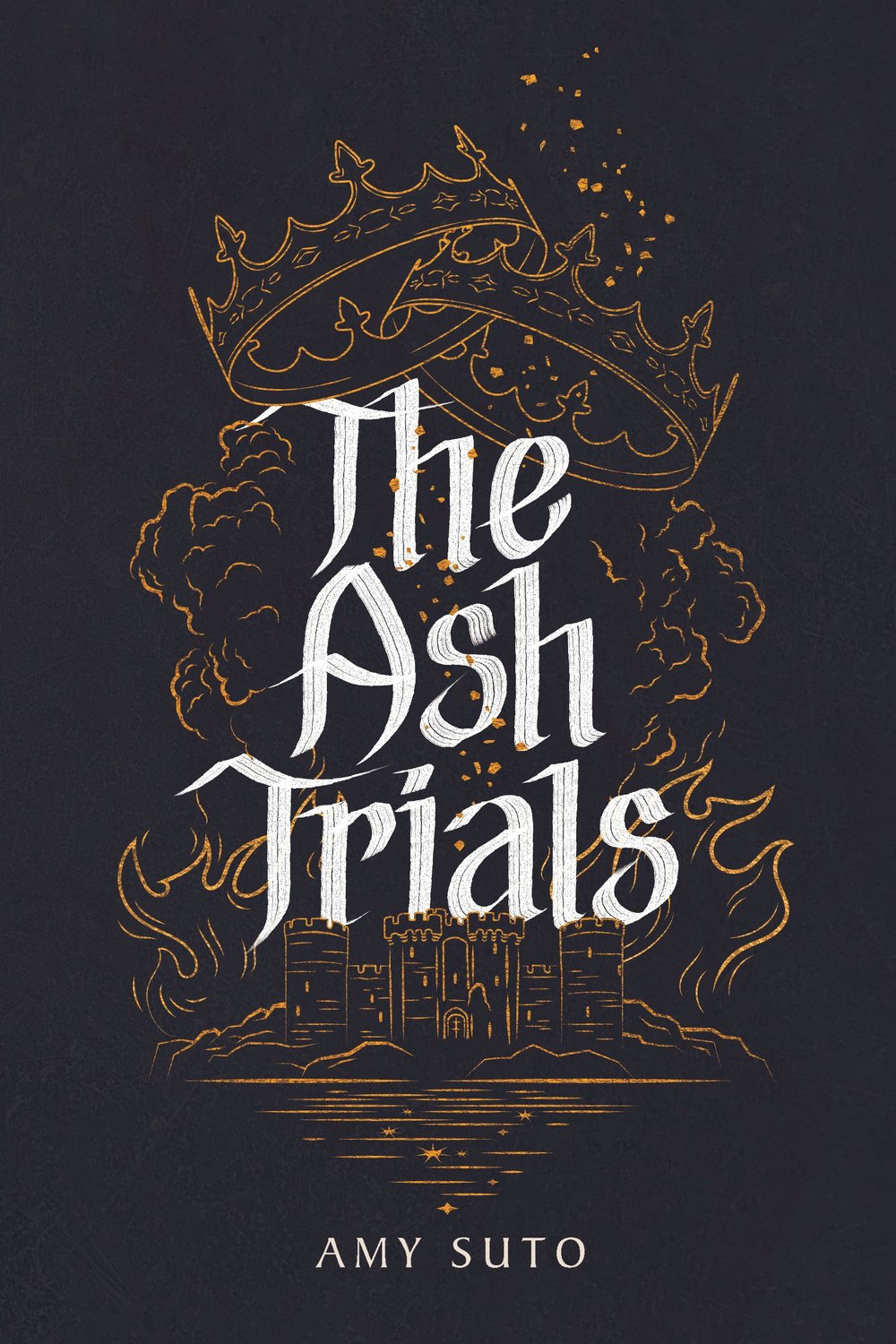
The deadliest game is remembering who you are.
MY DETECTIVE NOVEL: THE NOMAD DETECTIVE
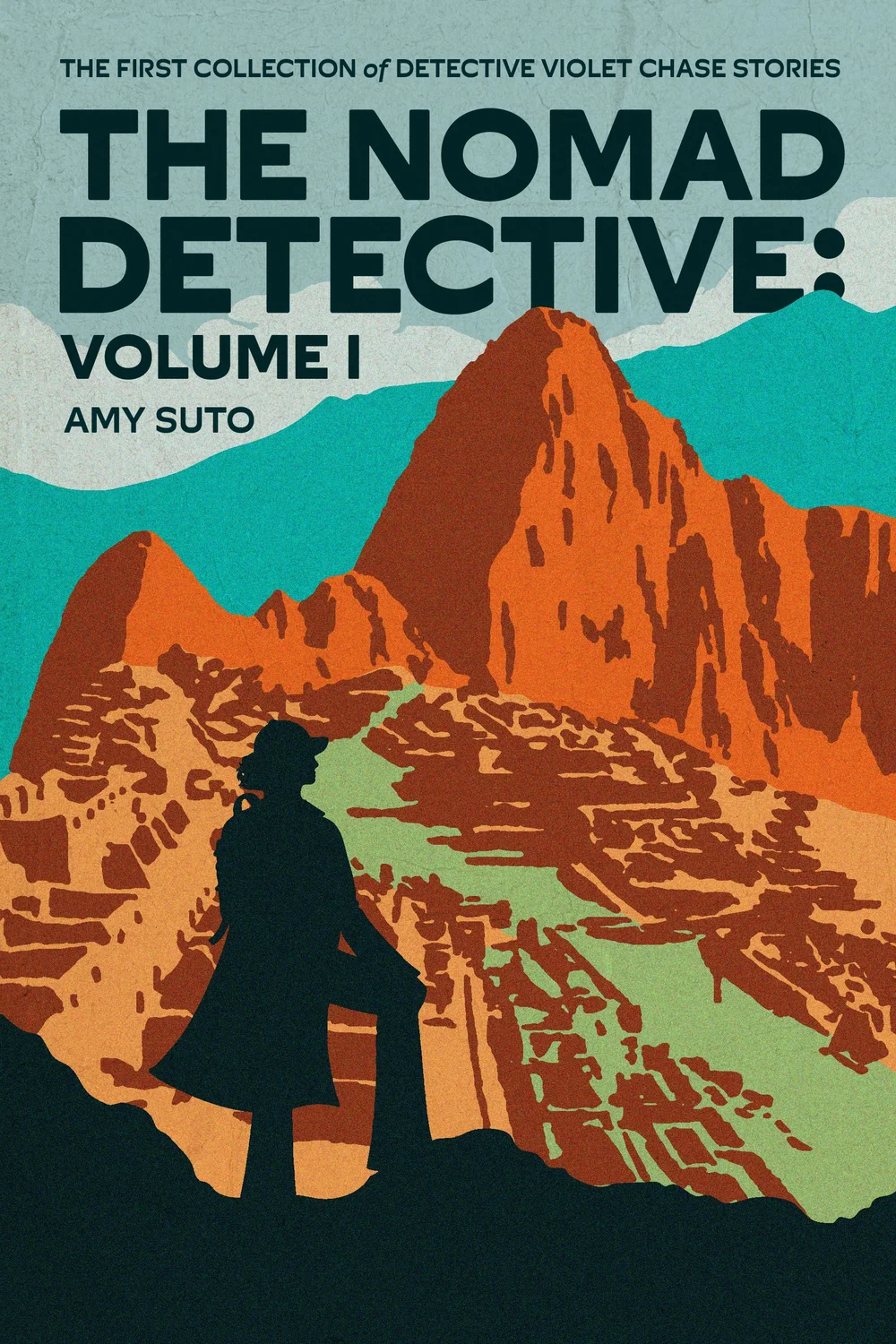
Crime crosses borders, but so does this detective.
MY HOW-TO BOOK: SIX-FIGURE FREELANCE WRITER
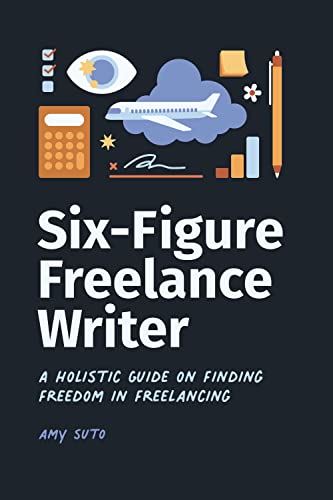
Work smarter, not harder — without the burnout.
RECENT POSTS
JOIN THE WRITING JOB BOARD
FOLLOW ME ON IG @SUTOSCIENCE