
Is Substack Worth It in 2026? An Honest Answer From a Top 20 Bestseller

People ask me some version of this question at least once a week — usually writers, sometimes founders, once memorably a dentist: “Okay, but is Substack actually worth it?” New here? My explainer on what Substack is covers the basics before any of the strategy.
Fair question. I have real skin in this game: my publication Make Writing Your Job has grown to 42,000+ subscribers and $267K in gross annualized revenue on the platform — no paid ads, with most of that revenue built across a 12-to-15-month stretch (on top of years of groundwork, I’m allergic to overnight-success screenshots).
So I’m biased, but I’m usefully biased: I’ve also seen where the platform falls short, both for me and for the writers and founders I consult with.
My honest answer: yes — for most writers building an audience around their expertise or their voice, Substack is worth it in 2026. It’s free to start, its recommendation network and Notes feed are the strongest organic growth engines in email, and its readers already pay for newsletters. The catch: you’ll hand over 10% of your paid revenue forever, and the network rewards people who publish consistently. To see what the top of the platform looks like, my list of the most popular Substacks includes the ones I actually pay for.
Here’s the full picture, both columns of the ledger.
What Substack Gets Genuinely Right
The network is the product. Every other email platform is a tool — Substack is a place. Recommendations from other publications, the Notes feed, reader profiles: your newsletter can be discovered there, organically, every day, in a way that simply doesn’t happen on a standalone email tool. Most of the writers I work with see real subscriber growth from the network itself.
Zero cost to start, zero infrastructure. Hosting, payments, apps, podcast and video support: handled. You write. For those of us who would rather be writing than doing sysadmin cosplay, this matters more than any feature list.
You own your list. Every subscriber email address is exportable, and you can leave whenever you want. After a decade of watching writers build castles on social platforms that changed the rules overnight, I cannot overstate how much this matters. Substack’s platform risk is real but small — an algorithm can’t take your email list away.
Paying for newsletters is normal there. Substack readers have been trained since 2017 that good writing costs money. The upgrade ask that feels awkward on a Mailchimp list feels native on Substack.
The Honest Downsides
The 10% fee scales with you. Free until you earn, then 10% of paid revenue (plus ~3% payment processing) forever. At $10K a year, that’s a fair trade for the growth network. At $500K a year, it’s a five-figure line item that will make you stare out a window.
It’s the platform’s whole business model. Your job is to decide whether the network keeps earning it. In my case it clearly has: the math is in my $267K breakdown.
Discovery rewards the consistent. If you can’t publish reliably, the network effects mostly won’t find you — a dormant Substack grows exactly as fast as a dormant blog, which is to say: it doesn’t. The platform is worth it for working writers, not occasional ones.
Design and data are Substack’s, not yours. Limited customization, limited analytics, and your archive lives on their turf by default. If you need a deeply branded experience or serious automation and segmentation, you will feel the walls.
Substack vs beehiiv (The Question You’re Actually Asking)
beehiiv is the strongest alternative, and the trade is clean: beehiiv charges a flat monthly fee instead of 10%, and its marketing tooling is stronger — referral programs, an ad network, better automation and segmentation. What it doesn’t have is Substack’s reader network: there’s no equivalent of Notes and recommendations feeding you subscribers who already pay for newsletters.
My rule of thumb: if your growth will come from the network and your product is your writing, pick Substack. If you already have your own traffic engine (a big audience elsewhere, paid acquisition, a media operation) and want to keep every dollar at scale, beehiiv’s math gets better every month.
Who Should Skip Substack
Skip it if you can’t commit to a cadence, if your revenue model is sponsorships-first at scale, or if your newsletter needs to live entirely on your own branded infrastructure. No shame in any of those — they just fight the platform instead of riding it.
Who Should Absolutely Be on It
Writers, experts, coaches, and founders who want their thinking to build an audience that pays them — directly through subscriptions, or indirectly through clients and books. If that’s you, the playbook is sitting right here: how to grow a Substack and how to convert free readers into paid subscribers when you’re ready for that chapter.
Rather Not Figure It Out Alone?

My Substack consulting takes you from “thinking about it” to launched, growth engine included, in two weeks. I’ve done this enough times to know exactly which mistakes to steer you around.
Tell me about your newsletter below (it lands straight in my inbox), or go read more about my Substack consulting first. Either way, it starts with a free discovery call. No pitch decks, no weirdness. Just two writers talking about your thing.

Hello! 👋 I’m Amy Suto. I’m a bestselling author, San Francisco content creator, and co-creator of the job board 🛋️ CozyJobs. Join CozyJobs to browse thousands of jobs and get daily matches to your inbox — writing and creative roles front and center!
GET ON THE LIST
Find your next writing job on 🛋️ COZYJOBS — thousands of jobs on a board updated daily, writing and creative roles front and center. ✨ The application tracker is free (basic CozyApply autofill is too), and paid plans start at $25/month with daily job matches straight to your inbox. Real writers are landing real work—don’t miss out.
FOLLOW ME ON GOOGLE
Add me as a preferred source and Google shows you more of my posts in Top Stories.

MY NEW BOOK: WRITE FOR MONEY & POWER
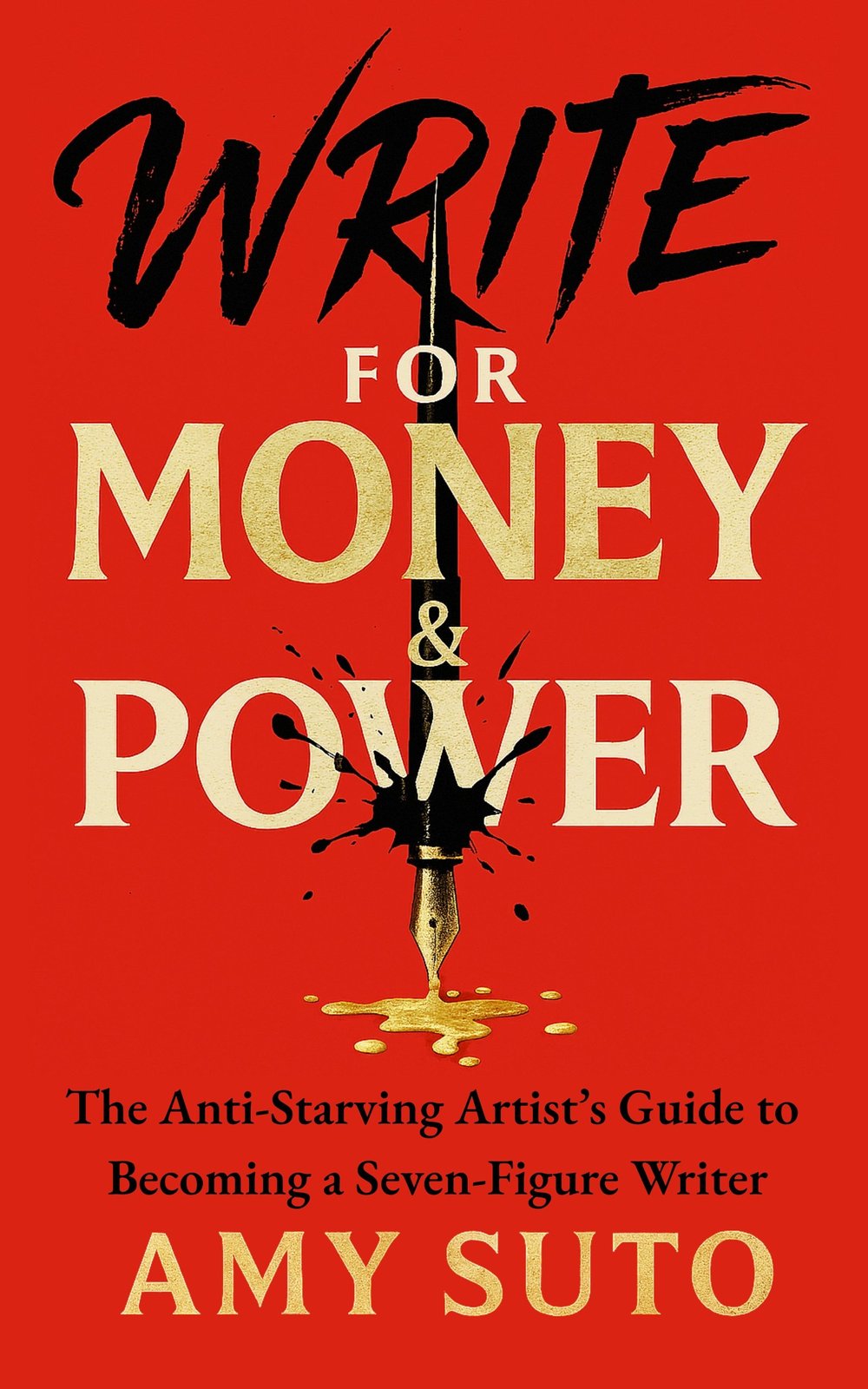
The anti-starving-artist's guide to becoming a seven-figure writer.
MY NEW NOVEL: LET ME BE YOUR GHOST

My romantic thriller arrives November 2026 — a ghostwriter with secrets, a billionaire CEO with more. Preorder one book, get two. Claim your bonus here →
MY ROMANTASY NOVEL: THE ASH TRIALS
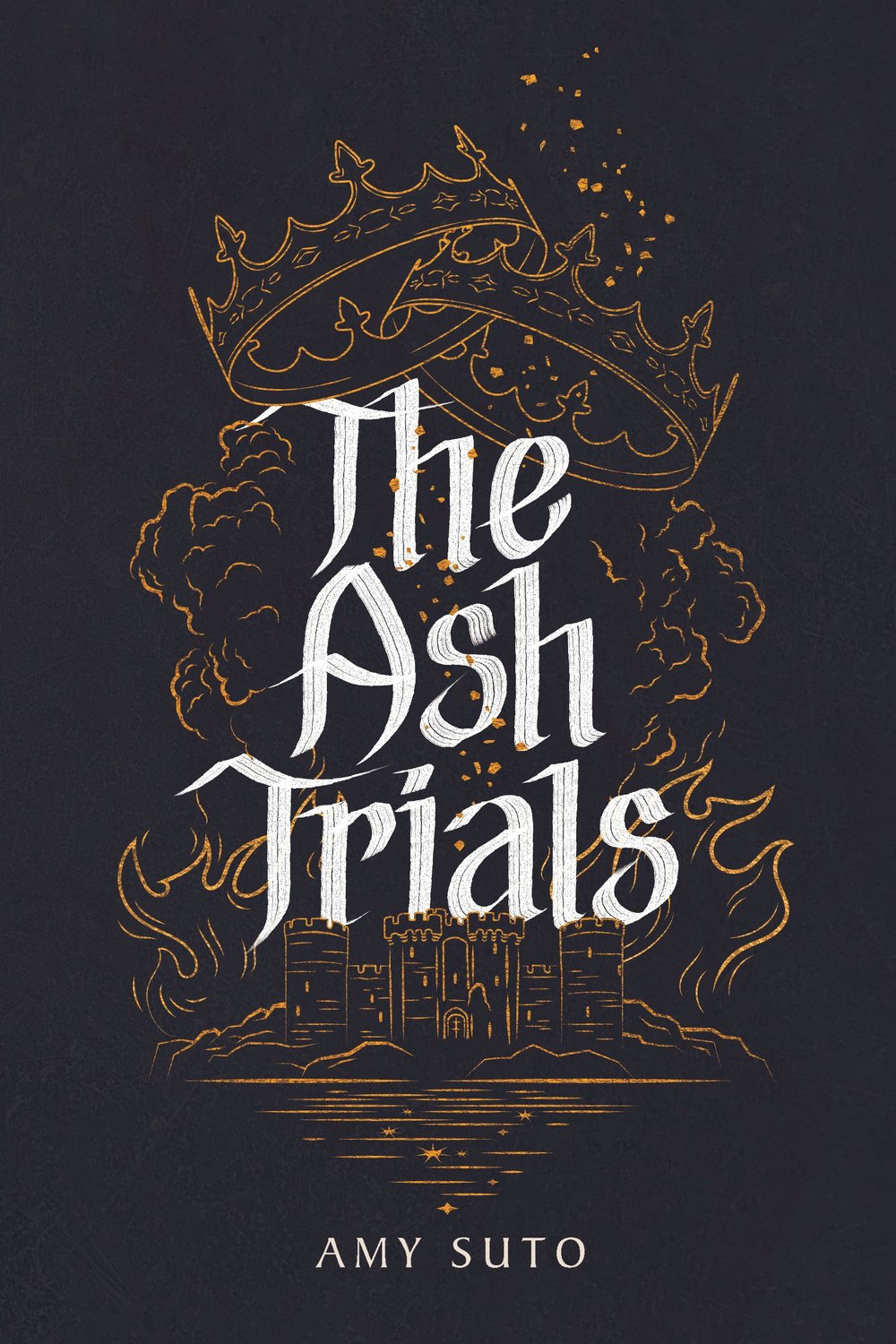
The deadliest game is remembering who you are.
MY DETECTIVE NOVEL: THE NOMAD DETECTIVE
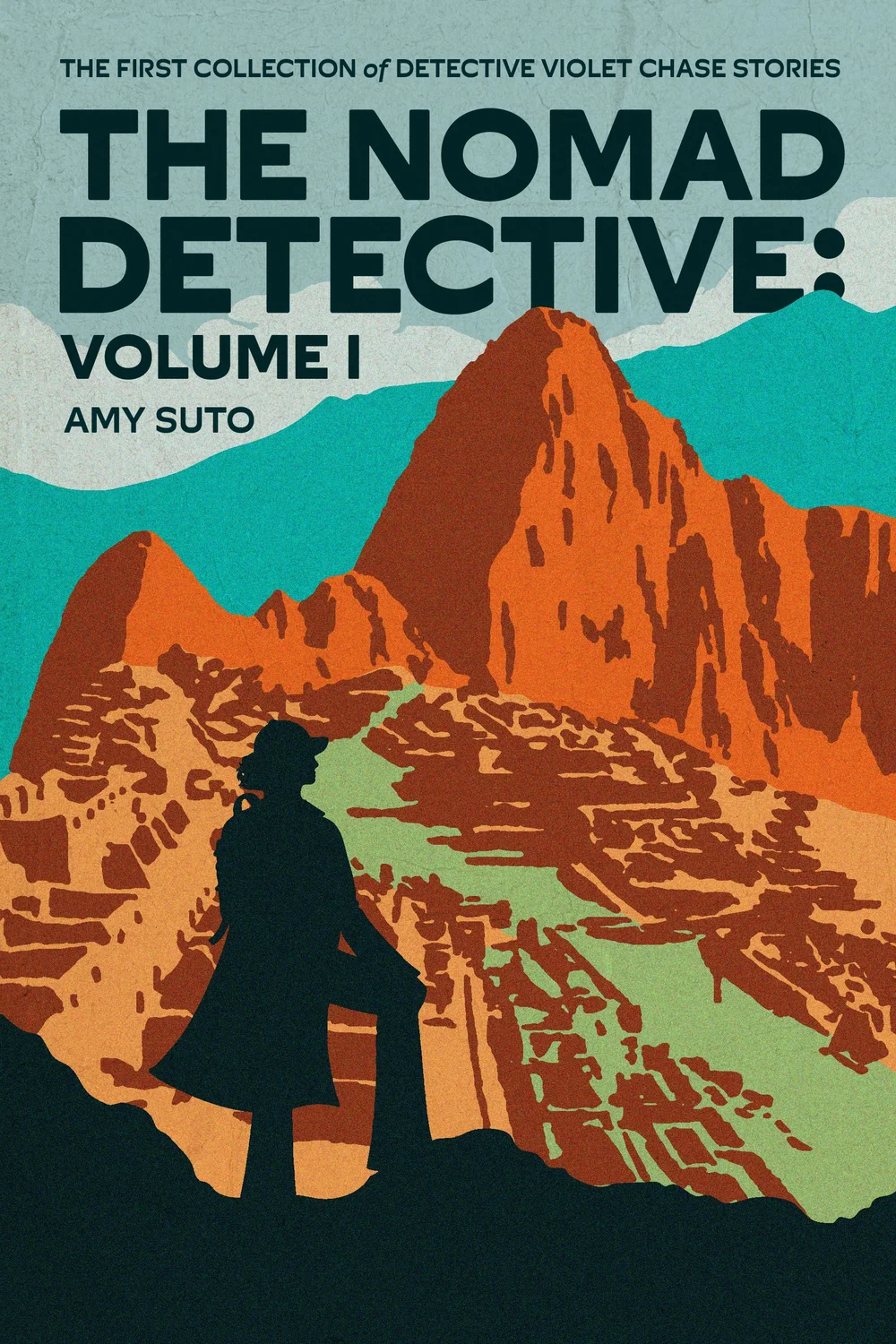
Crime crosses borders, but so does this detective.
MY HOW-TO BOOK: SIX-FIGURE FREELANCE WRITER
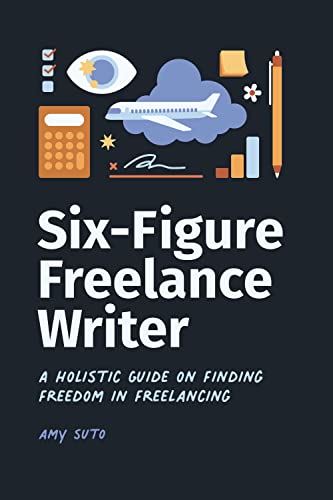
Work smarter, not harder — without the burnout.
RECENT POSTS
JOIN THE WRITING JOB BOARD
FOLLOW ME ON IG @SUTOSCIENCE


![🌁 chapter eighteen: strong as death [let me be your ghost]](https://substackcdn.com/image/fetch/w_480,c_limit,f_auto,q_auto:good,fl_progressive:steep/https%3A%2F%2Fsubstack-post-media.s3.amazonaws.com%2Fpublic%2Fimages%2F6b56d429-2b09-4a94-9b0f-415a889b419b_1080x1080.png)