The 7 Best Substack Alternatives (and When to Just Stay)

I run a Top 20 Business bestseller on Substack, so you’d expect me to tell you the alternatives are for suckers. Nope. Substack takes 10% of paid revenue (about $26,700 a year from me), limits your design, and barely ranks on Google — there are real reasons writers shop around. I’ve used several of these Substack alternatives myself and migrated clients off others, so here’s the honest tour. For a sense of scale, the most popular Substacks shows what the biggest publications on the platform are doing.
The best Substack alternative depends on the job: beehiiv for growth tooling and 0% revenue share, Ghost for owning your stack, Kit for selling products, Patreon for perks-based memberships, Medium for a portfolio, or your own website for SEO. For paid newsletters with built-in discovery, Substack is still the one to beat.
The 7 Best Substack Alternatives
1. beehiiv
Best for: growth-focused newsletters monetized by sponsorships and ads.
Built by Morning Brew alumni: automations, referral programs, an ad network, and 0% cut of paid subscriptions on paid plans (flat fees instead, free to 2,500 subscribers). I’ve migrated several clients from beehiiv to Substack for the discovery network, so read my full beehiiv vs Substack breakdown before choosing.
2. Ghost
Best for: writers who want to own their whole stack.
Open-source publishing with newsletter, website, and memberships in one, flat fees, and 0% revenue share. Full disclosure: I haven’t run a Ghost site myself, so this is research rather than testimony. It’s the indie-web favorite for a reason, and the trade is that you bring your own audience and do your own plumbing. My full Substack vs Ghost breakdown covers who should make that trade (and why I haven’t).
3. Kit (formerly ConvertKit)
Best for: creators selling courses and digital products.
Serious email-marketing software: automations, segmentation, landing pages, and commerce, free up to 10,000 subscribers with limits. I migrated off ConvertKit at 600 subscribers and grew to 42,000+ on Substack. The full story is in Substack vs ConvertKit.
4. Patreon
Best for: podcasters, video creators, and artists selling perks.
A membership platform, not a publishing one: tiers, Discord access, early episodes. As a paying subscriber I find its reading experience clunky, which matters if your product is words. My Substack vs Patreon comparison goes deeper.
5. Medium
Best for: a portfolio and casual discovery, not income.
I used Medium as a portfolio for short stories and made exactly nothing, which was fine — that’s all I asked of it. Its Partner Program pays most writers under $100 a month. Details in Substack vs Medium.
6. WordPress (or Squarespace)
Best for: writers who want a classic website with full control.
The open web’s workhorse: total design control, real SEO, no revenue share, plus hosting bills, plugins, and maintenance. I did years on both WordPress and Squarespace before going custom. See Substack vs WordPress.
7. Your Own Custom Site
Best for: ranking on Google while Substack handles email.
The dark-horse option: build your own site with an AI coding tool like Claude Code. This site is the case study — self-hosted, fast, and earning around 13,000 organic search visits a month. It’s not either/or: my site catches searchers, my Substacks keep them.
The Honest Reasons to Leave Substack
The 10% at scale. Past roughly $3,000–$5,000 a month in paid revenue, flat-fee platforms get cheaper on paper (my full fee math).
Design and automation limits. Substack is a publication, not a marketing machine, with no funnels and minimal customization.
SEO. Google treats Substack publications like news content, so evergreen posts struggle to rank there.
Why I Stay Anyway
Because the network is the product. Substack’s recommendations and Notes grew my list to 42,000+ subscribers over three years with no paid ads, and readers there already pay for writing with one tap. Every alternative above is better software for some job. None of them comes with readers.
FAQ: Substack Alternatives
What Is the Cheapest Substack Alternative?
Kit is free to 10,000 subscribers and beehiiv is free to 2,500 — both with feature limits. Substack itself is free until you monetize, which for new writers is hard to beat.
Is There a Substack Alternative With No Fees at All?
Self-hosting Ghost (or your own site) has no platform fees — you pay hosting and bring the elbow grease.
Which Alternative Is Easiest to Switch To?
beehiiv and Kit both import Substack lists in minutes. The hard part is never the CSV — it’s leaving the discovery network behind.
Deciding Where Your Newsletter Should Live?

Platform strategy (including migrations in either direction) is a core part of my Substack consulting. Tell me about your newsletter below and I’ll give you a straight answer, even if that answer is “don’t move.”
And for everything else, my Substack resource hub has the full library. Pick the platform your readers will love — they’re the ones paying for it.

Hello! 👋 I’m Amy Suto. I’m a bestselling author, San Francisco content creator, and co-creator of the job board 🛋️ CozyJobs. Join CozyJobs to browse thousands of jobs and get daily matches to your inbox — writing and creative roles front and center!
GET ON THE LIST
Find your next writing job on 🛋️ COZYJOBS — thousands of jobs on a board updated daily, writing and creative roles front and center. ✨ The application tracker is free (basic CozyApply autofill is too), and paid plans start at $25/month with daily job matches straight to your inbox. Real writers are landing real work—don’t miss out.
FOLLOW ME ON GOOGLE
Add me as a preferred source and Google shows you more of my posts in Top Stories.

MY NEW BOOK: WRITE FOR MONEY & POWER
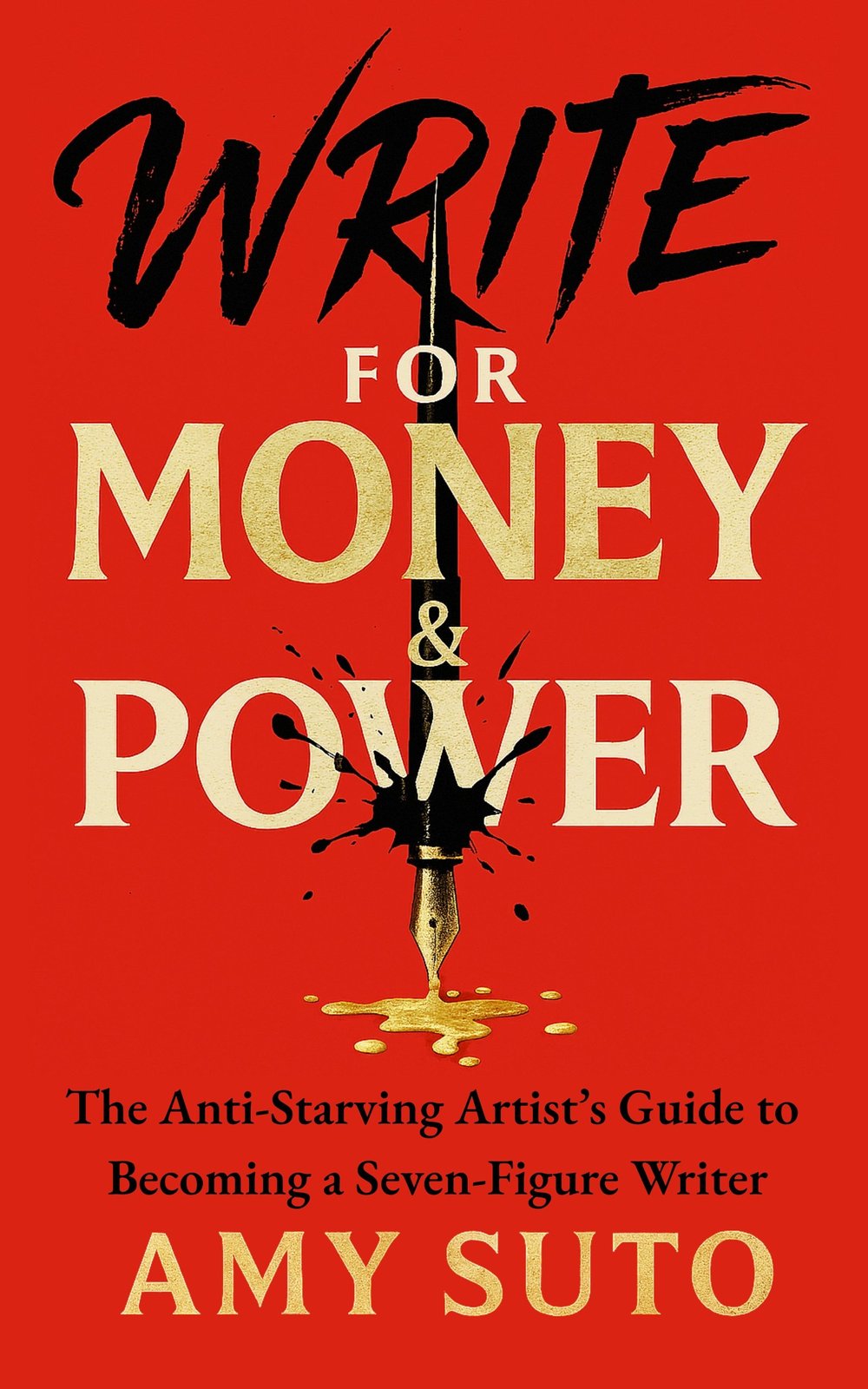
The anti-starving-artist's guide to becoming a seven-figure writer.
MY NEW NOVEL: LET ME BE YOUR GHOST

My romantic thriller arrives November 2026 — a ghostwriter with secrets, a billionaire CEO with more. Preorder one book, get two. Claim your bonus here →
MY ROMANTASY NOVEL: THE ASH TRIALS
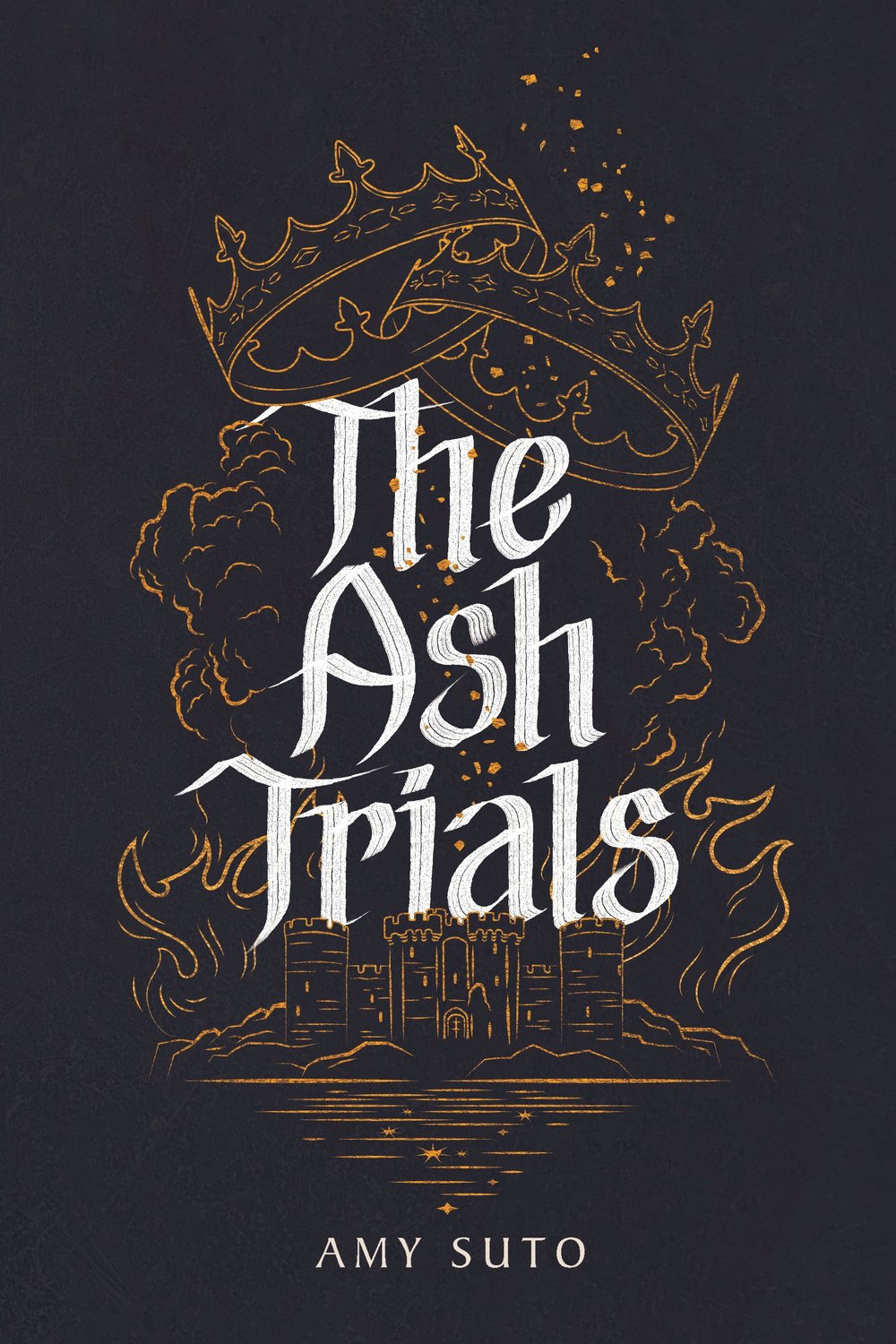
The deadliest game is remembering who you are.
MY DETECTIVE NOVEL: THE NOMAD DETECTIVE
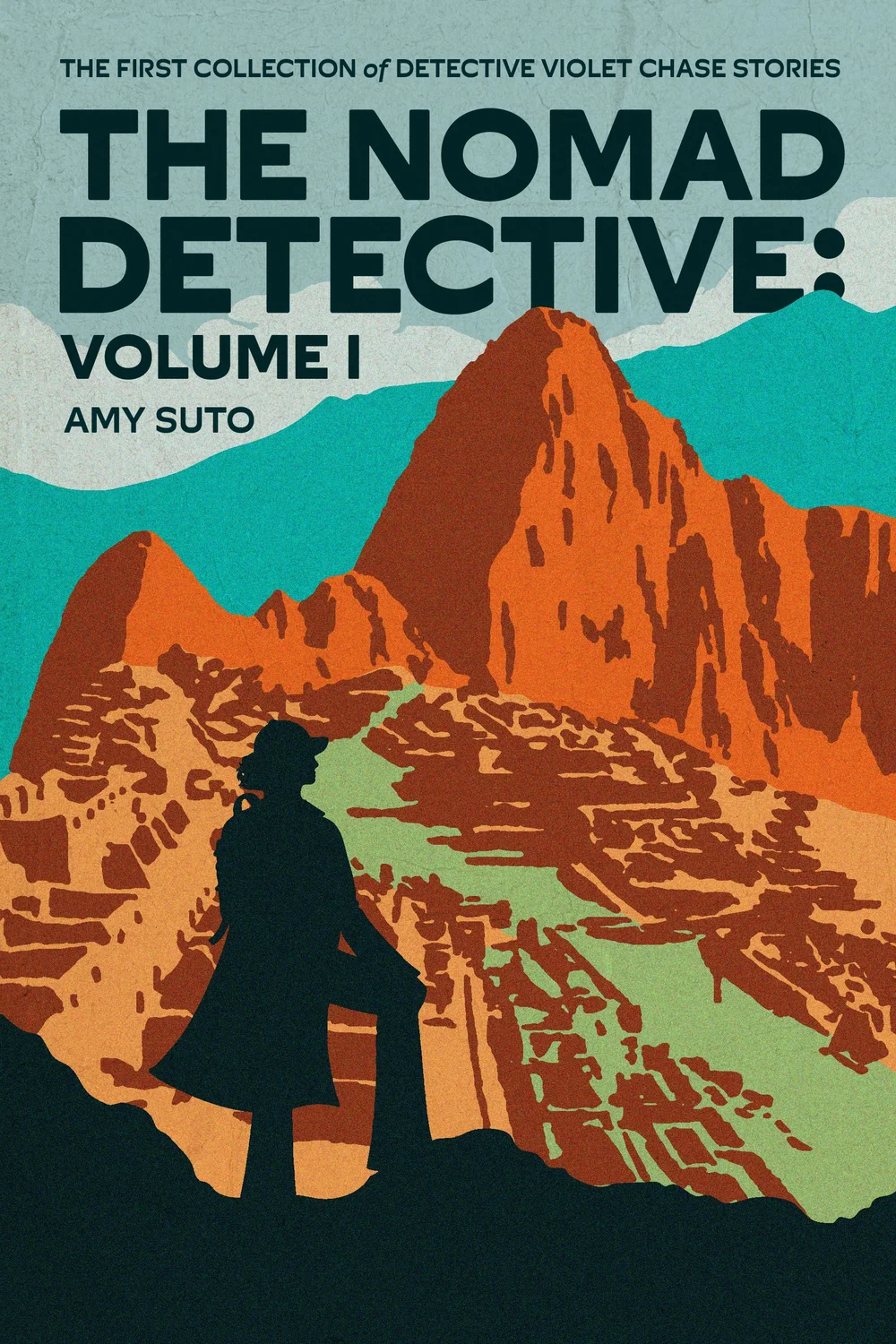
Crime crosses borders, but so does this detective.
MY HOW-TO BOOK: SIX-FIGURE FREELANCE WRITER
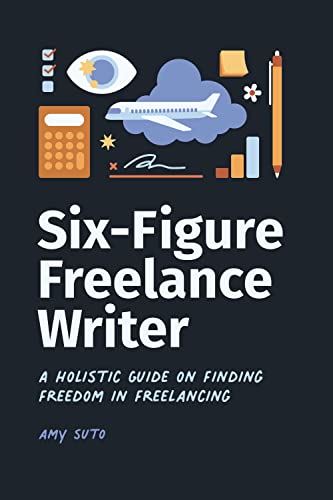
Work smarter, not harder — without the burnout.
RECENT POSTS
JOIN THE WRITING JOB BOARD
FOLLOW ME ON IG @SUTOSCIENCE