Substack Notes: What 6 Months of Going All-In Actually Did

A few months ago, one of my Substack Notes went viral: 15,800 likes, 290 replies, 2,500 restacks. I watched the little orange numbers climb all day, feeling like I’d finally cracked the code. Then I opened my dashboard to count the paid subscribers that Note brought in. If you are new to the platform entirely, start with my plain-English guide to what Substack is and how it works.
Zero.
Not “a few.” Not “fewer than I hoped.” Zero. And that number taught me more about Substack Notes than the six months I spent going all-in on the feature — posting constantly, tracking everything, and even bringing in help for three months whose entire job was figuring out how to grow there. If you want models to study, start with the most popular Substacks.
So here’s my honest, data-backed take on Substack Notes: what it’s genuinely great at, what it will never do for you, and the strategy I actually use now. Let’s dive in.
The short version: Substack Notes is a real discovery channel (it drove 1,459 subscribers to my newsletter), but it converts paid subscribers far worse than the like counts suggest. Treat Notes as awareness, spend about 20% of your energy there, and put the rest into your publication and onboarding.
What Is Substack Notes?
Substack Notes is the short-form social feed built into Substack — think X or Threads, but native to the newsletter platform, with a subscribe button sitting next to every post. When a Note travels, readers can subscribe to your publication in one tap. That subscribe button is the whole reason Notes matters: it’s the top of Substack’s discovery engine, alongside recommendations.
I Went All-In on Notes for Six Months. Here’s What Happened.
For half a year, I treated Notes like it was the growth lever. My viral meme Note (the one with 15,800 likes) produced 28,055 clicks and 378 new free subscribers. That’s a real result. It’s also the kind of post that makes you believe you’ve found the thing.
But paid subscribers from that Note: zero. A meme creates “lol, same.” A paid subscription requires “this person solves my problem, and I trust them.” Those are different mental events, and no amount of likes converts one into the other. I started calling these posts dopamine-positive but revenue-neutral.
Meanwhile, the boring machinery I’d been neglecting did the actual work — my dashboard showed 8,366 subscribers arriving through onboarding and recommendations in a window where Notes drove 1,459. I break down every Note, every screenshot, and every dollar in the full experiment write-up on Sutoscience (it’s for paid subscribers, and it’s the most honest data you’ll find on this topic).
What Substack Notes Is Genuinely Good At
Free-subscriber discovery. 1,459 subscribers came to my newsletter through Notes. That’s not nothing — that’s a small town.
Being seen by other writers. Notes is where Substack’s writer community hangs out, and restacks from bigger publications compound.
Low-effort distribution. Resharing what you already publish takes minutes and keeps you visible between posts.
What Notes Won’t Do for You
Notes will not fix a fuzzy publication. If your name, category, About page, and welcome flow don’t clearly tell a new reader what they get, viral attention has nothing to attach to. Getting those foundations right produced several times the value of my entire Notes experiment, for a fraction of the effort. (That’s the unsexy truth nobody posts memes about.) If you want the paid-growth machinery itself, start with my guide on how to get paid subscribers on Substack.
The Notes Strategy I Use Now
Post-experiment, my Notes routine is almost embarrassingly simple:
I post daily, but mostly by resharing. Most of my Notes are repackaged versions of what I’m already publishing, plus the occasional day-in-the-life note.
Text Notes about your actual work convert best. Image-based carousels did well for us, but plain text Notes that talk directly about what you’re publishing brought in readers who actually upgrade.
The 80/20 rule. Each week, 75–80% of Notes are variations on the current winner and 20–25% are new experiments. Creativity is great, but the scoreboard picks the format.
Label memes correctly. They’re awareness content. Post them, enjoy them, and don’t expect them to pay rent.
Is Substack Notes Worth Your Time in 2026?
Yes — with a caveat that took me six months and real money to learn. Notes is a smaller pond than the big social platforms. Make Writing Your Job pulled over 250,000 impressions on Threads in the last 30 days, and some of our content simply performs better there because the audience is bigger. Substack’s organic reach is wonderful, but if you want a serious newsletter business, going beyond Substack is required.
Play in the pond. Just don’t live there.
FAQ: Substack Notes
Do Substack Notes Help You Get Paid Subscribers?
Indirectly. In my six-month experiment, viral Notes drove hundreds of free subscribers but almost no direct paid conversions — paid upgrades came later, from the newsletter itself. Value-first Notes that speak to a specific problem convert best.
How Often Should You Post on Substack Notes?
Daily visibility is plenty, and resharing your existing work counts. Consistency beats volume, and neither beats having a publication worth subscribing to.
What Kind of Notes Grow a Substack Fastest?
For free growth: relatable memes and restackable one-liners. For growth that pays: text Notes about what you’re publishing, callouts naming a specific reader problem, and value-add posts that give something useful away.
Want a Substack Strategy That Doesn’t Depend on Going Viral?
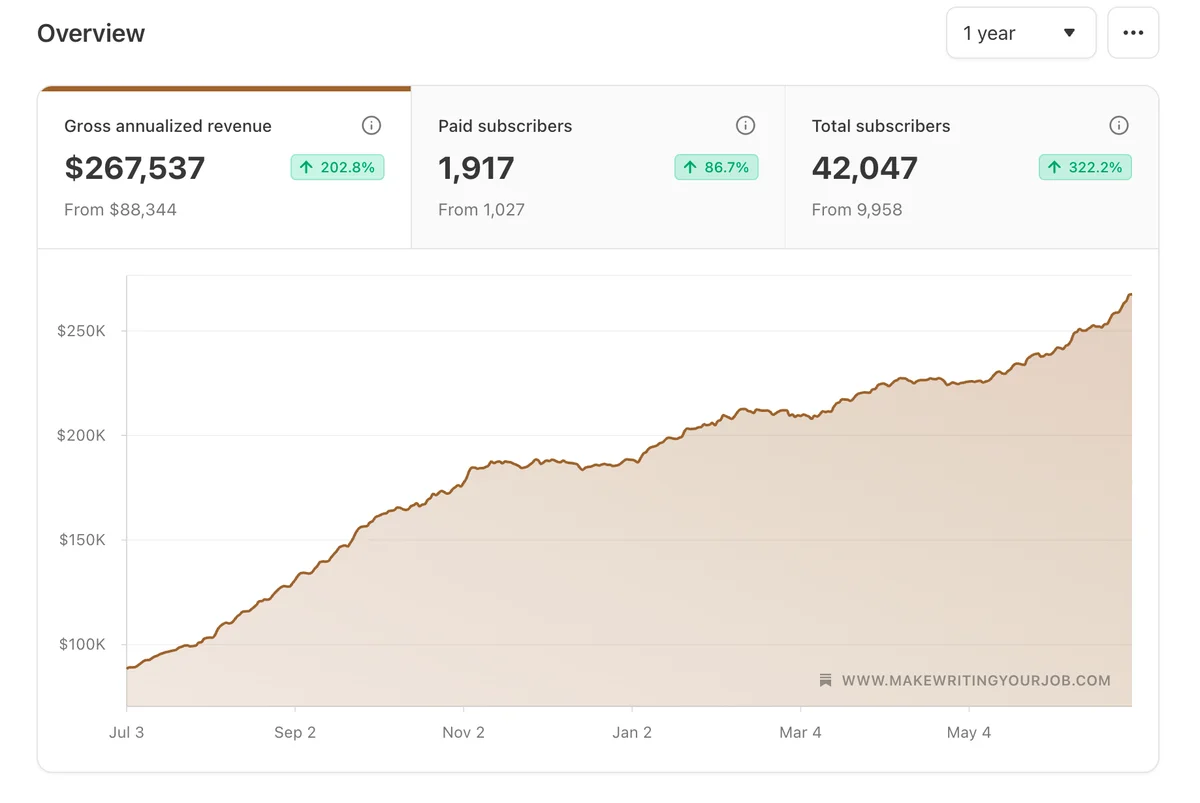
The dashboard that taught me onboarding beats virality. Notes helped. The engine did the work.

I’ve grown my newsletters to 42,000+ subscribers over three years with no paid ads, and I’ve made every mistake in this post personally so you don’t have to. If you want help building your publication’s engine, that’s exactly what my Substack consulting is for — tell me about your newsletter below and it lands straight in my inbox.
And for the full Notes experiment data (every screenshot, every format, every dollar), read the complete teardown on Sutoscience.
Now go post a Note about whatever you published last. That one’s free. I’m rooting for you.

Hello! 👋 I’m Amy Suto. I’m a bestselling author, San Francisco content creator, and co-creator of the job board 🛋️ CozyJobs. Join CozyJobs to browse thousands of jobs and get daily matches to your inbox — writing and creative roles front and center!
GET ON THE LIST
Find your next writing job on 🛋️ COZYJOBS — thousands of jobs on a board updated daily, writing and creative roles front and center. ✨ The application tracker is free (basic CozyApply autofill is too), and paid plans start at $25/month with daily job matches straight to your inbox. Real writers are landing real work—don’t miss out.
FOLLOW ME ON GOOGLE
Add me as a preferred source and Google shows you more of my posts in Top Stories.
MY NEW BOOK: WRITE FOR MONEY & POWER
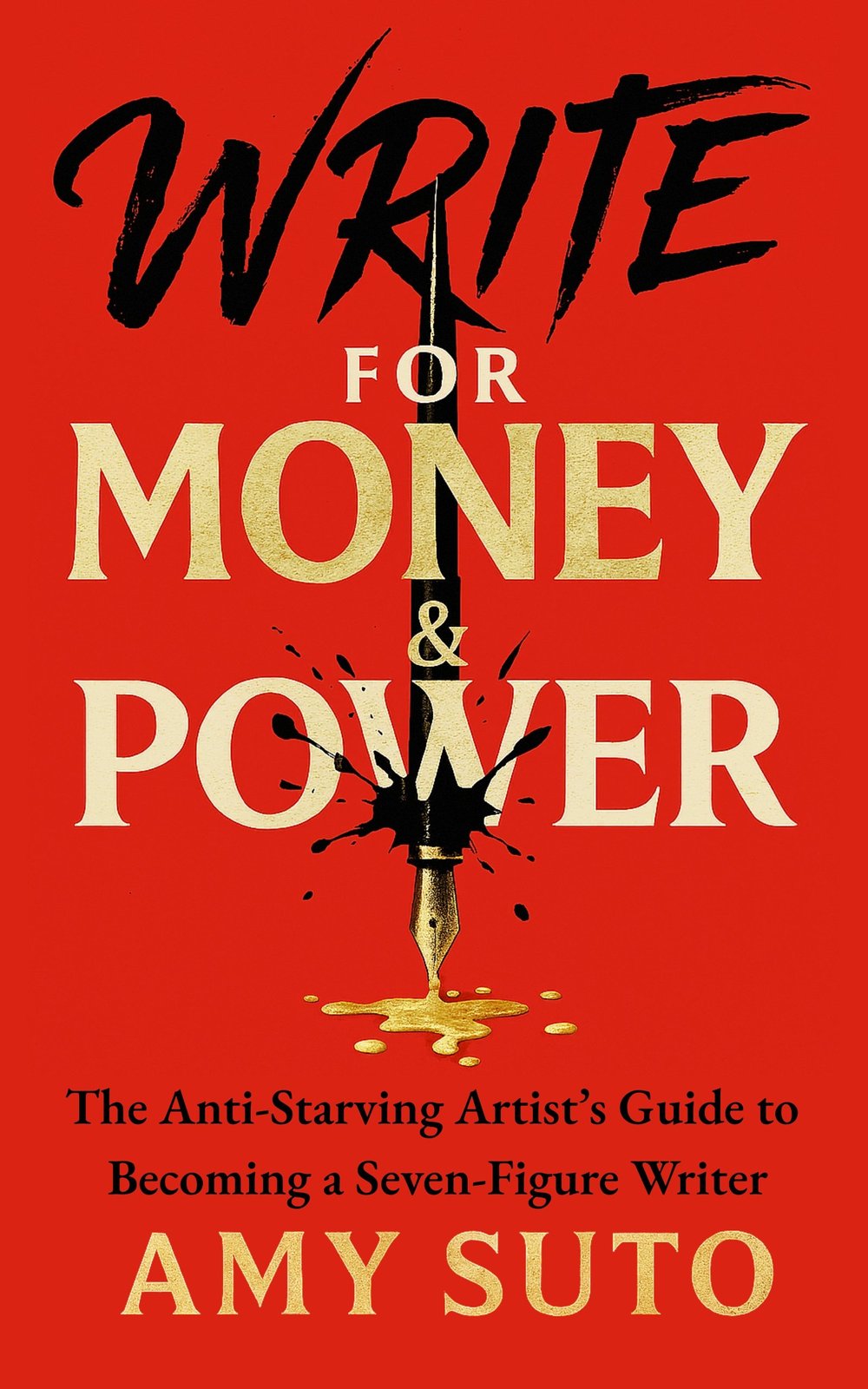
The anti-starving-artist's guide to becoming a seven-figure writer.
MY NEW NOVEL: LET ME BE YOUR GHOST

My romantic thriller arrives November 2026 — a ghostwriter with secrets, a billionaire CEO with more. Preorder one book, get two. Claim your bonus here →
MY ROMANTASY NOVEL: THE ASH TRIALS
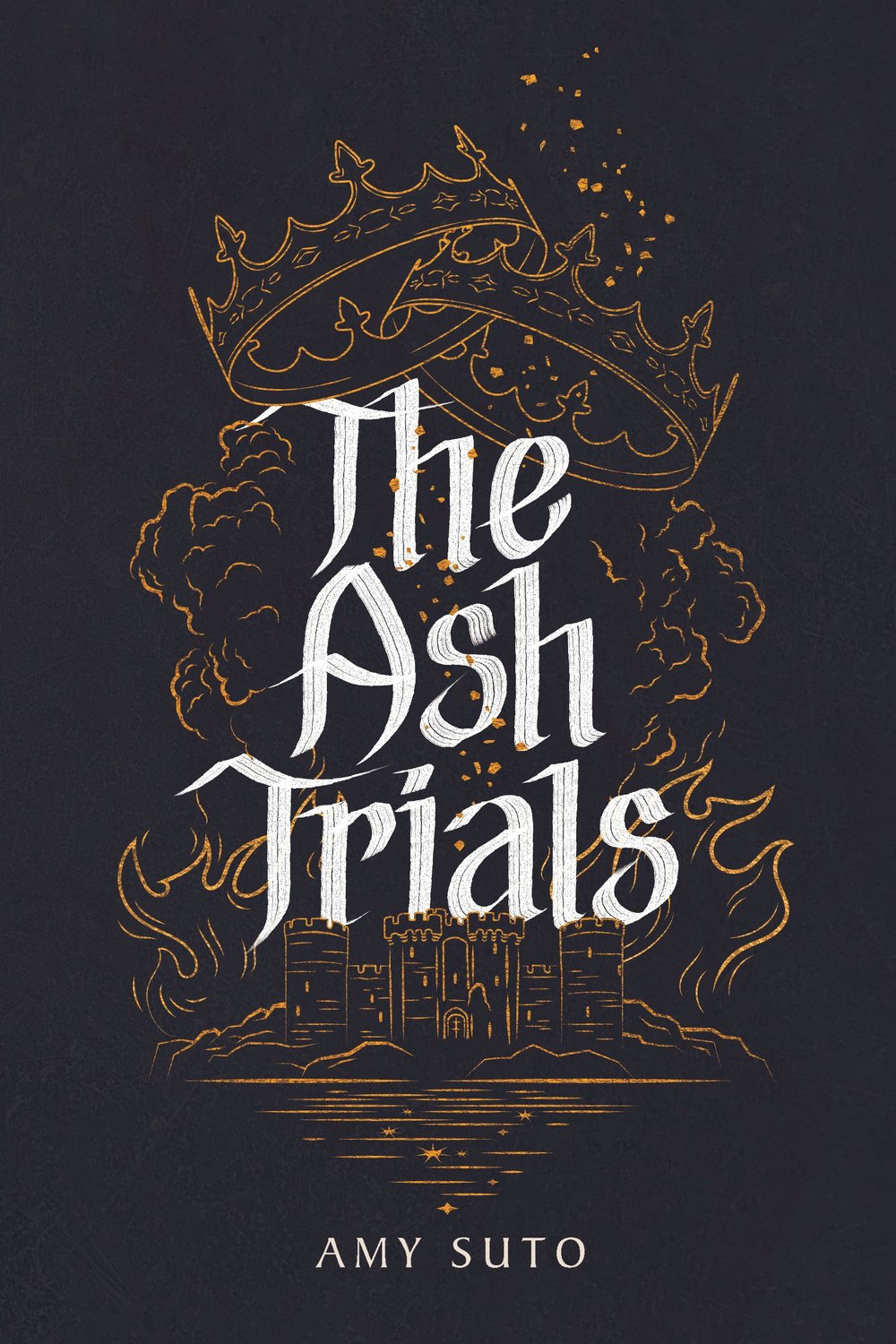
The deadliest game is remembering who you are.
MY DETECTIVE NOVEL: THE NOMAD DETECTIVE
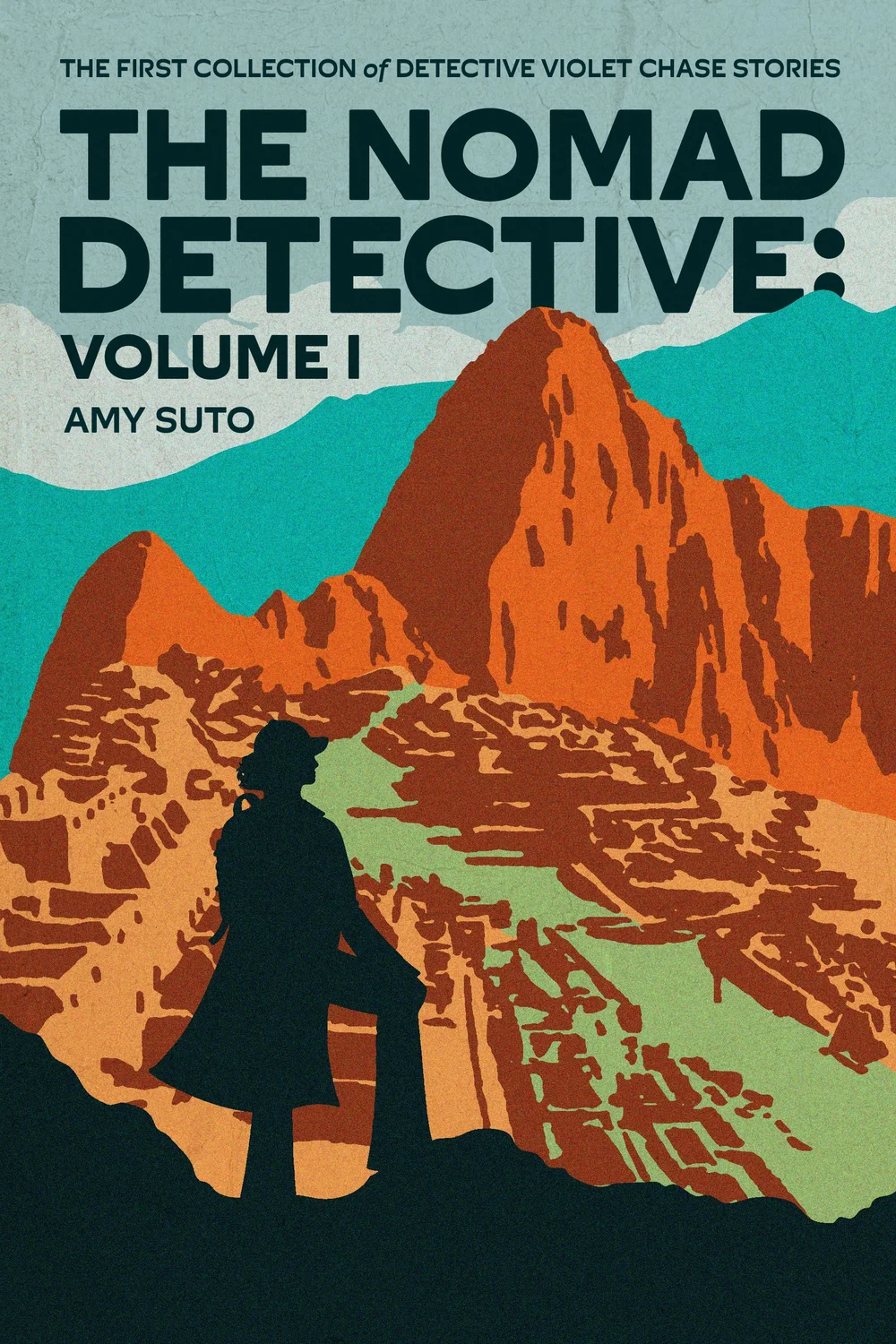
Crime crosses borders, but so does this detective.
MY HOW-TO BOOK: SIX-FIGURE FREELANCE WRITER
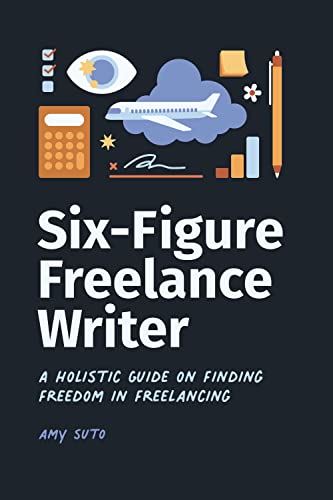
Work smarter, not harder — without the burnout.
RECENT POSTS
JOIN THE WRITING JOB BOARD
FOLLOW ME ON IG @SUTOSCIENCE