
How to Grow a Substack: What Actually Took Me to 42,000 Subscribers

Every so often I open my Substack dashboard, see the subscriber count, and think about the version of me who published her first post to what was essentially an empty room. New here? My explainer on what Substack is covers the basics before any of the strategy.
She had no idea what was coming. (Good. It would have gone to her head.)
My publication, Make Writing Your Job, now has 42,000+ subscribers and became a Top 20 Business bestseller on Substack — with zero dollars spent on ads. And because I now spend a chunk of my time helping other writers and founders build their newsletters, I’ve gotten very good at separating what actually grows a Substack from what just feels productive. To see what the top of the platform looks like, my list of the most popular Substacks includes the ones I actually pay for.
The short answer: pick one promise and repeat it until you’re bored of it, publish on a schedule you can keep, be a real person on Notes, make friends with other writers, point everything else you do at your Substack — and give it more time than you want to.
Here’s the long answer.
(One quick fork in the road: this is my playbook as a writer growing my own publication. If you’re building a Substack for your business or personal brand, I wrote a separate guide for that — How to Grow a Substack for Your Business or Personal Brand.)
First, the Timeline Nobody Posts About
It took me three years to get to 42,000 subscribers. Not one. Three.
I’m telling you this up front because Substack growth advice has a screenshot problem — everyone shows you the hockey stick and nobody shows you the two years of publishing to a tiny list before it. My revenue did grow fast once it grew: most of my annualized revenue came together over about 12 to 15 months. But that spike was standing on years of consistent, unglamorous publishing.
If you’re in the empty-room phase right now: you’re not behind. You’re in act one.
1. Pick a Promise, Not a “Niche”
“Niche” makes people pick topics. What you actually need is a promise. My readers don’t subscribe to “content about freelance writing” — they subscribe because every issue helps them get closer to making writing their actual job. (It’s in the name. Naming your newsletter after the promise: highly recommended.)
Finish this sentence before you write anything else: “Every time I land in your inbox, you get ___.” If it takes you more than one breath to say, your future subscribers won’t say it at all — and forwarding your newsletter to a friend is how you grow.
2. Show up Like It’s Your Job
Because it is — or it’s about to be. Every stretch where I published consistently, my subscriber graph climbed. Every stretch where I got clever and overcommitted, it went flat.
The cadence that works is the one you can hit on your worst week, not your best one. For most people that’s weekly. Pick it, then treat it the way you’d treat a client deadline, because your readers are the best client you’ll ever have.
3. Go a Little Feral on Notes
Substack Notes is where readers who already pay for newsletters go to find their next one — and most writers treat it like a link dump. Don’t.
The writers who grow from Notes are the ones actually talking: sharing one sharp idea from their latest piece, replying to writers they admire with something better than “great post!”, being funny, being generous, being findable. Fifteen minutes a day of being a real person on Notes beats an hour of broadcasting into the void.
4. Make Friends Who Have Newsletters
Substack’s recommendation network is the single biggest growth lever on the platform: when another publication recommends yours, their new subscribers see your newsletter at sign-up — forever, on autopilot. You earn that by being genuinely useful to other writers first.
Recommend people you actually read. Write to writers at your size and one size up. Do guest posts, interviews, cross-promos. One good recommendation from the right publication can out-grow months of solo effort.
5. Point Every Door You Own at Your Substack
My YouTube videos point to my Substack. My TikToks point to my Substack. This blog — hi — points to my Substack. Your email signature, your LinkedIn, your podcast interviews, your website: every one of those is a door, and every door should lead to your sign-up page.
This is also where SEO earns its keep. Evergreen posts on your own site can hand you subscribers every single day for years. (You’re reading one right now. See how this works?)
6. Once a Month, Write the Post Only You Could Write
Most of your growth will trace back to a handful of posts that strangers couldn’t help forwarding. You can’t schedule lightning, but you can build more lightning rods: once a month, write the definitive, generous, everything-you-actually-know piece on a question your readers keep asking you. Those posts do the recruiting while you sleep.
7. Don’t Rush the Paywall
Counterintuitive but true: the fastest way to grow paid revenue is to grow your free list first. Free subscribers are the top of your funnel — mine convert to paid at roughly one in twenty. When you’re ready for that chapter, I wrote up exactly what converted my first 1,900 paid subscribers and the full breakdown of how my $267K in annualized revenue actually works.
What Didn’t Work (Learn from My Flops)
Obsessing over share graphics: nothing. Publishing more often than I could sustain: my only flat months. Chasing shiny off-promise topics because I was bored: consistently my worst-performing posts. The boring truth is that the “boring” on-promise posts my readers signed up for outperform the fun tangents every single time. The niche is the strategy. The promise is the product.
So How Long Does It Take to Grow a Substack?
Honest answer: the first 1,000 subscribers are the slowest — months, for most writers. Then compounding kicks in: recommendations stack, your archive works for you, readers forward you to their group chats.
For me the full arc was three years, with the revenue arriving in a 12-to-15-month sprint near the end. If you’re still deciding whether the platform deserves that kind of patience, here’s my honest take on whether Substack is worth it in 2026.
Want to Skip a Few Years of Trial and Error?

This is literally what I do now: my Substack consulting takes you from “I should really start a newsletter” (or “I have one and it’s a ghost town”) to launched, positioned, and growing — in a two-week intensive where I do a lot of the heavy lifting with you.
Tell me about your newsletter below — this form lands straight in my inbox — or go read more about my Substack consulting first. Either way, it starts with a free discovery call. No pitch decks, no weirdness. Just two writers talking about your thing.

Hello! 👋 I’m Amy Suto. I’m a bestselling author, San Francisco content creator, and co-creator of the job board 🛋️ CozyJobs. Join CozyJobs to browse thousands of jobs and get daily matches to your inbox — writing and creative roles front and center!
GET ON THE LIST
Find your next writing job on 🛋️ COZYJOBS — thousands of jobs on a board updated daily, writing and creative roles front and center. ✨ The application tracker is free (basic CozyApply autofill is too), and paid plans start at $25/month with daily job matches straight to your inbox. Real writers are landing real work—don’t miss out.
FOLLOW ME ON GOOGLE
Add me as a preferred source and Google shows you more of my posts in Top Stories.

MY NEW BOOK: WRITE FOR MONEY & POWER
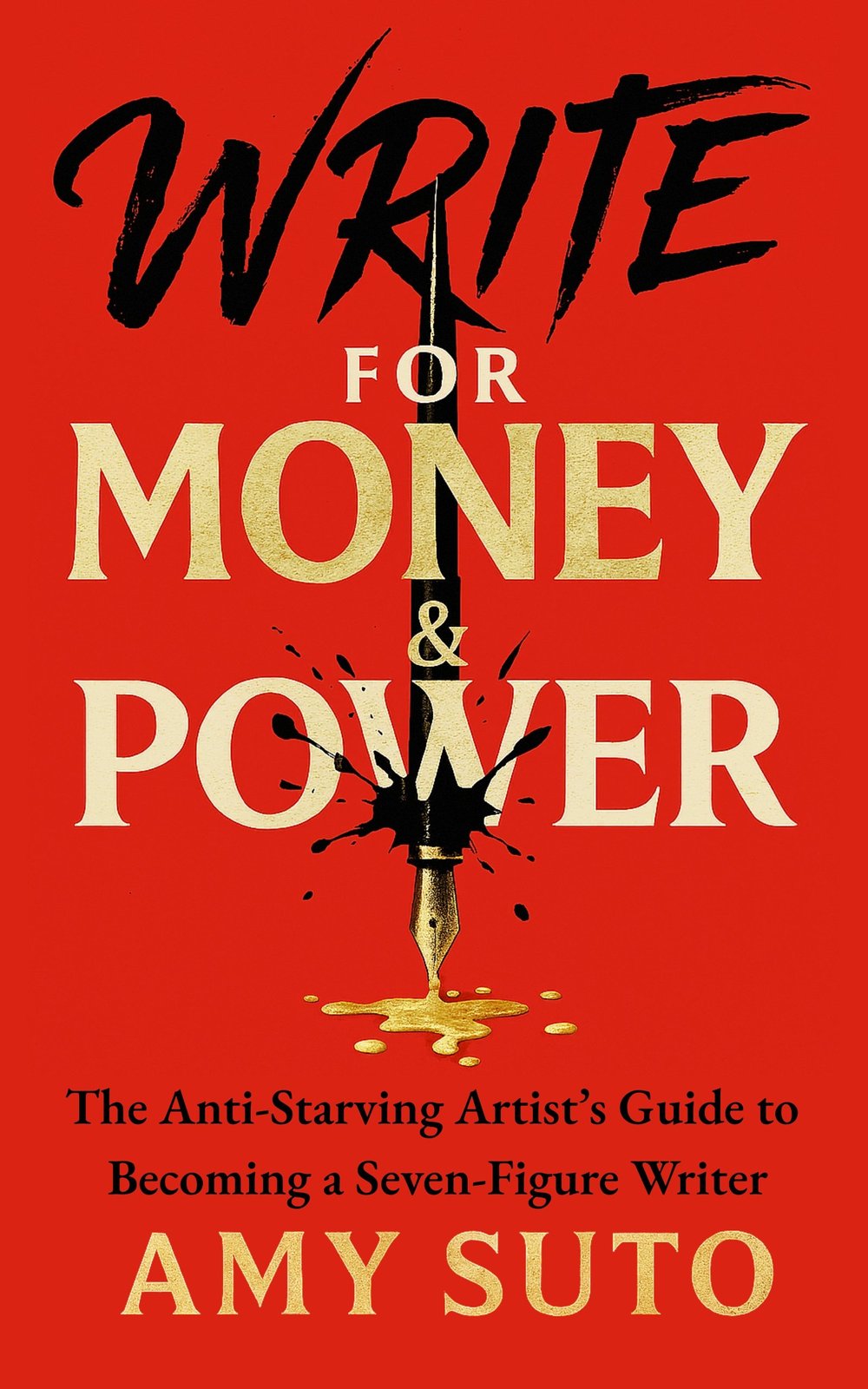
The anti-starving-artist's guide to becoming a seven-figure writer.
MY NEW NOVEL: LET ME BE YOUR GHOST

My romantic thriller arrives November 2026 — a ghostwriter with secrets, a billionaire CEO with more. Preorder one book, get two. Claim your bonus here →
MY ROMANTASY NOVEL: THE ASH TRIALS
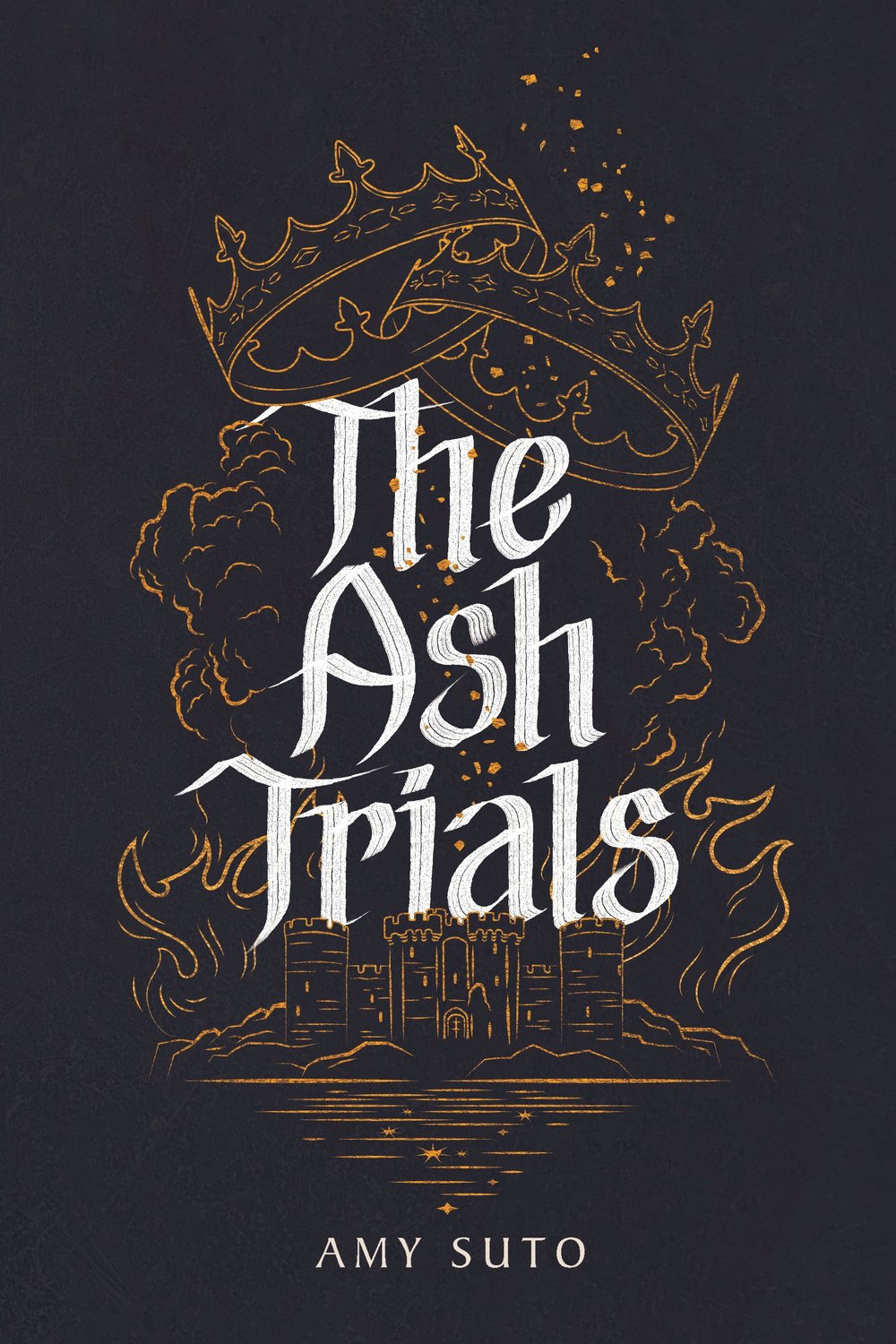
The deadliest game is remembering who you are.
MY DETECTIVE NOVEL: THE NOMAD DETECTIVE
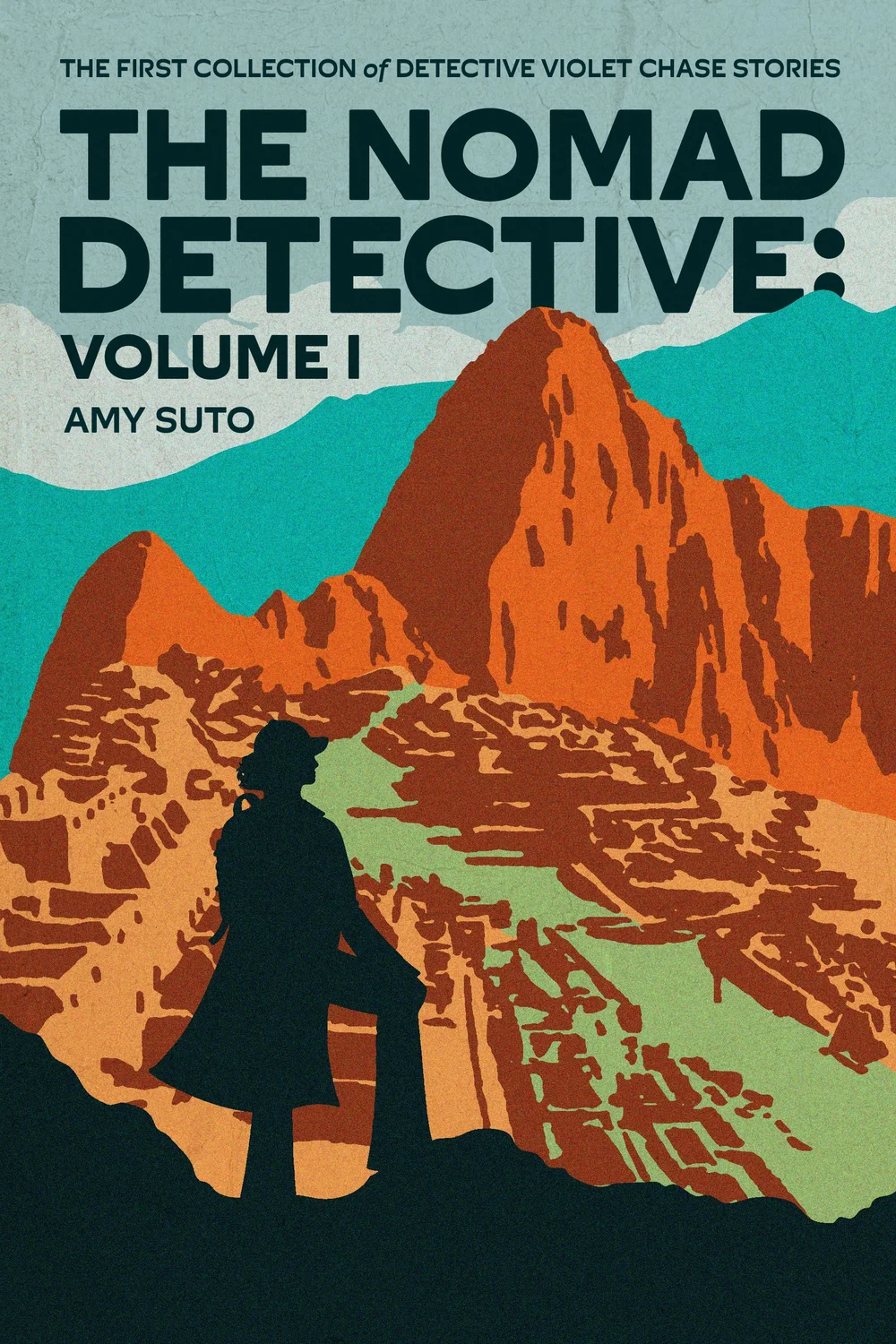
Crime crosses borders, but so does this detective.
MY HOW-TO BOOK: SIX-FIGURE FREELANCE WRITER
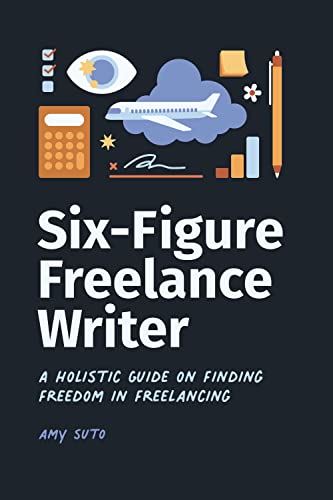
Work smarter, not harder — without the burnout.
RECENT POSTS
JOIN THE WRITING JOB BOARD
FOLLOW ME ON IG @SUTOSCIENCE



![🌁 chapter eighteen: strong as death [let me be your ghost]](https://substackcdn.com/image/fetch/w_480,c_limit,f_auto,q_auto:good,fl_progressive:steep/https%3A%2F%2Fsubstack-post-media.s3.amazonaws.com%2Fpublic%2Fimages%2F6b56d429-2b09-4a94-9b0f-415a889b419b_1080x1080.png)