
Ghostwriting vs. Copywriting vs. Content Writing: Which Pays More?

Early in my freelance career, I said yes to everything. Sales pages for startups. Blog posts about topics I barely understood. Newsletters, scripts, landing pages — if it paid, I wrote it.
That scrappy era taught me something most niche-picking guides can’t: what these lanes actually feel like from the inside — and what they actually pay.
The short answer: copywriting is writing that sells (ads, landing pages, emails), content writing is writing that attracts and teaches (blog posts, articles, newsletters), and ghostwriting is writing in someone else’s voice under their name — and of the three, ghostwriting is the highest-paid path, with book projects running five to six figures. I eventually went all-in on memoir ghostwriting, and it’s the niche that took my career from freelancer to Write for Money and Power-level business. If copywriting is your lane, my guide to where to find freelance copywriting jobs lists the platforms that actually pay.
But the right lane for you depends on how you like to work. Let’s break each one down.
What Is Copywriting?
Copywriting is persuasion with a word count. You’re writing the sales page, the ad, the email sequence — words engineered to make a reader click, sign up, or buy. It’s the most directly measurable niche (your words either convert or they don’t), which is exactly why businesses pay well for it.
Who thrives here: writers who love psychology, punchy sentences, and seeing numbers go up.
The pay: project fees from a few hundred dollars for emails to five figures for full launch funnels, with experienced conversion copywriters commanding retainers.
The catch: you’re only as good as your last conversion rate, and revisions can be driven by whoever in the meeting has the strongest opinion.
What Is Content Writing?
Content writing is the attract-and-teach lane: blog posts, articles, guides, newsletters — writing that builds an audience and earns trust over time (the very post you’re reading is content writing). My guide to content writing jobs covers the boards, the rates, and the clients worth taking.
It’s the easiest niche to break into, which is both its gift and its curse: low barriers mean lots of competition at the bottom, but skilled content writers who understand SEO and strategy climb out of the content-mill trenches fast.
Who thrives here: curious generalists who like research and can make any topic readable.
The pay: anywhere from (avoid) $20 content-mill posts to $500–$2,000+ articles for companies that understand what good content earns them.
The catch: AI has commoditized the bottom of this market — the writers winning in 2026 are the ones selling strategy and taste, not just words. I broke down where to find the good clients in my guide to the best freelance writing job boards.
What Is Ghostwriting?
Ghostwriting is part performance, part alchemy: you step into someone else’s voice like it’s a tailored suit and re-emerge with a book, a newsletter, or a thought-leadership empire they’ll call their own. As I write in Write for Money and Power, ghostwriters get paid for two things — our ability to vanish, and our ability to embody. If you want to do this work yourself, my ghostwriting jobs guide lists where the work actually comes from.
Who thrives here: writers with empathy, curiosity, and the ability to ask better questions than most therapists. The pay: the highest ceiling in freelance writing.
Social and newsletter ghostwriting runs monthly retainers — book and memoir ghostwriting runs five to six figures per project — I’ve broken down exactly what memoir ghostwriters cost if you want the tiers. The catch: your name isn’t on the work. If you need the byline, this lane will chafe.
Which Pays More: the Honest Comparison
All three can support a real career. But they scale differently. Copywriting pays per conversion problem solved. Content pays per article or retainer. Ghostwriting — especially book ghostwriting — pays per transformation: a founder becomes a thought leader, a life becomes a legacy.
Clients pay for that outcome the way they pay for an executive coach or an architect, which is why it’s the niche where five-figure projects are the floor, not the ceiling, once you’re established.
Here’s the part that took me years to see: these lanes stack. My years in copy and content weren’t detours — they taught me voice, speed, and how businesses think, and every one of those skills compounds in ghostwriting.
One flagship book client often becomes a whole content flywheel: their newsletter, their keynotes, their op-eds. When you ghost a book, you’re often ghosting the entire brand voice that follows.
How to Pick Your Lane
Ask yourself two questions. One: do you need your name on the work? (If yes: content writing, plus your own newsletter and books.) Two: do you want many small projects or a few deep ones? Copy and content are volume games you can start this week.
Ghostwriting is a trust game that takes longer to break into — and pays like it. If ghostwriting is calling you, start with my guide on how to become a ghostwriter.
Work with Me (Or Write with Me)

If you’re a writer figuring out your lane: my book Write for Money and Power is the full operating system — mindset, pricing, and the three income pillars that took me from broke Hollywood assistant to seven-figure writing business. And my job board CozyJobs holds thousands of jobs, updates daily, and keeps high-paying writing work front and center.
If you’re looking to hire a writer: memoir ghostwriting and developmental editing are my specialty. Tell me about your project below — the form lands straight in my inbox — or explore working with me.

Hello! 👋 I’m Amy Suto. I’m a bestselling author, San Francisco content creator, and co-creator of the job board 🛋️ CozyJobs. Join CozyJobs to browse thousands of jobs and get daily matches to your inbox — writing and creative roles front and center!
GET ON THE LIST
Find your next writing job on 🛋️ COZYJOBS — thousands of jobs on a board updated daily, writing and creative roles front and center. ✨ The application tracker is free (basic CozyApply autofill is too), and paid plans start at $25/month with daily job matches straight to your inbox. Real writers are landing real work—don’t miss out.
FOLLOW ME ON GOOGLE
Add me as a preferred source and Google shows you more of my posts in Top Stories.

MY NEW BOOK: WRITE FOR MONEY & POWER
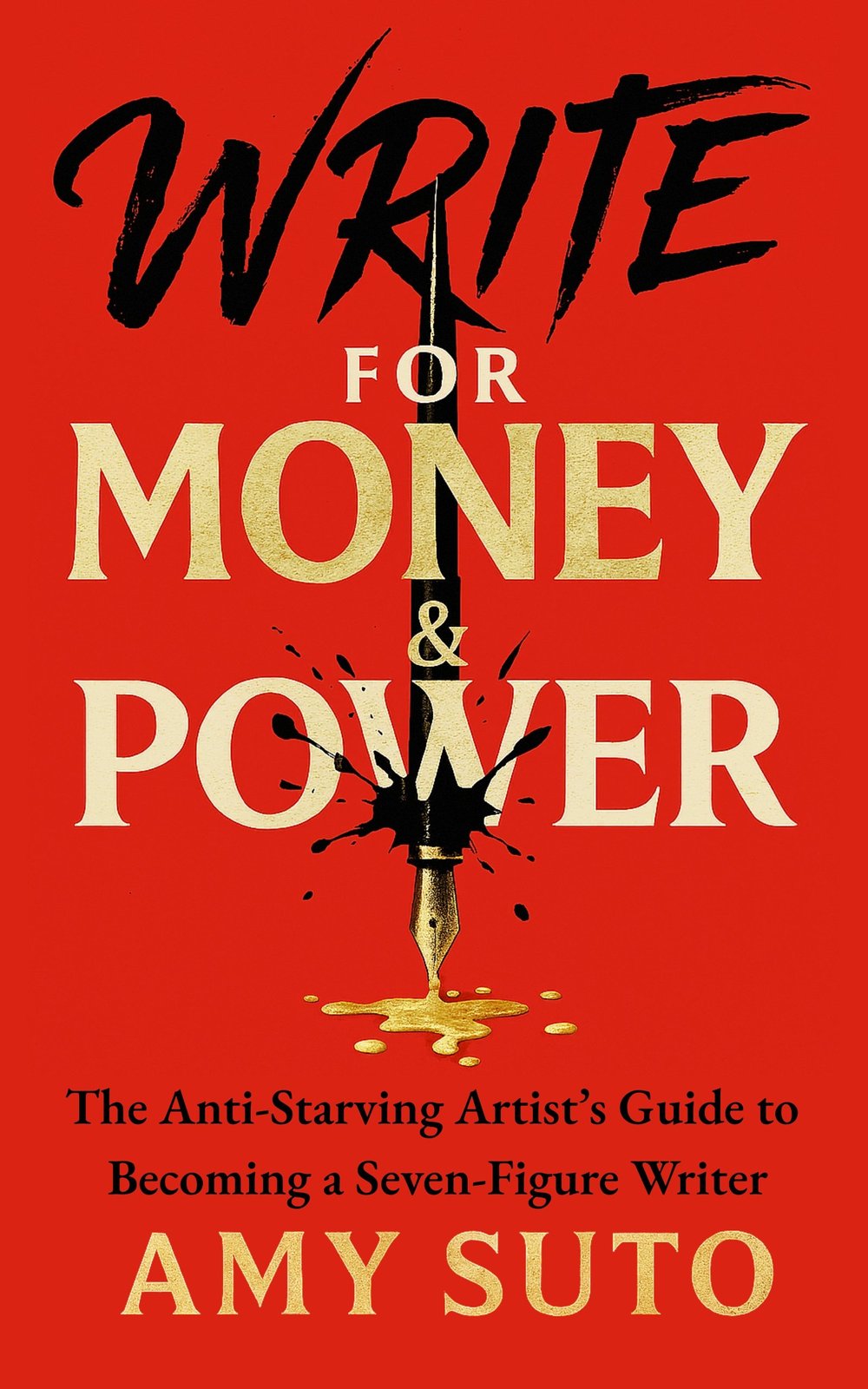
The anti-starving-artist's guide to becoming a seven-figure writer.
MY NEW NOVEL: LET ME BE YOUR GHOST

My romantic thriller arrives November 2026 — a ghostwriter with secrets, a billionaire CEO with more. Preorder one book, get two. Claim your bonus here →
MY ROMANTASY NOVEL: THE ASH TRIALS
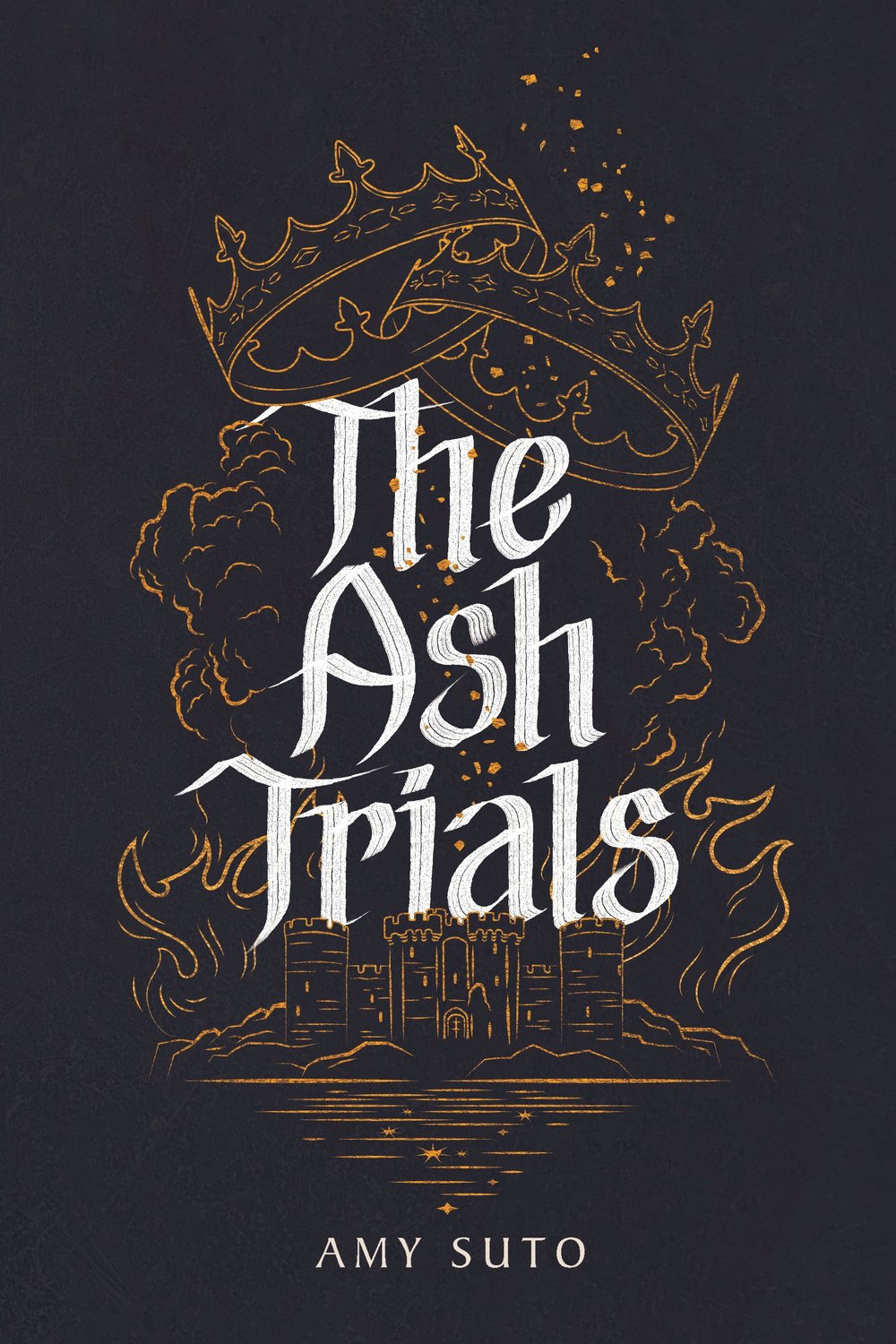
The deadliest game is remembering who you are.
MY DETECTIVE NOVEL: THE NOMAD DETECTIVE

Crime crosses borders, but so does this detective.
MY HOW-TO BOOK: SIX-FIGURE FREELANCE WRITER
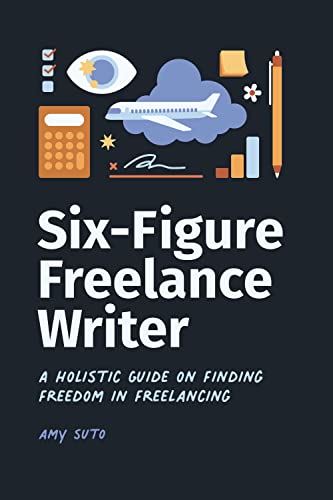
Work smarter, not harder — without the burnout.
RECENT POSTS
JOIN THE WRITING JOB BOARD
FOLLOW ME ON IG @SUTOSCIENCE




![🌁 chapter eighteen: strong as death [let me be your ghost]](https://substackcdn.com/image/fetch/w_480,c_limit,f_auto,q_auto:good,fl_progressive:steep/https%3A%2F%2Fsubstack-post-media.s3.amazonaws.com%2Fpublic%2Fimages%2F6b56d429-2b09-4a94-9b0f-415a889b419b_1080x1080.png)