
How to Become a Ghostwriter (and Get High-Paying Clients)

A few summers ago, a black Suburban picked me up at sunrise on the Portuguese island of Madeira. By midday I’d landed in Vienna, where a client had flown me out (airfare, flat with a rooftop terrace, the works) for a week of deep-dive interviews for their memoir.
That week involved schnitzel with their family, stories that never made it into their investor decks, and the kind of trust you can’t fake. This is what my job looks like now. It did not start that way. It started with me saying yes to everything on job boards and writing blog posts about topics I barely understood.
Here’s how to become a ghostwriter: build storytelling chops (you don’t need a degree, just curiosity and empathy), define one signature offer, price for the client’s transformation rather than your hours, and put yourself where clients already look: job boards, warm referrals, and a body of published work that radiates authority. That’s the compressed version of the ghostwriting chapter in Write for Money and Power. The job-hunting version of this is in my guide to ghostwriting jobs and what they pay.
Here’s the whole blueprint.
What a Ghostwriter Actually Does
You step into someone else’s voice like it’s a tailored suit (their rhythms, their jargon, their sense of humor) and deliver a story that feels like home to them. Ghostwriters get paid for two things: our ability to vanish, and our ability to embody.
The founder becomes a thought leader. The memoir becomes a legacy. The product is theirs — the fingerprints are yours. And anyone with storytelling chops can learn this. Great ghostwriters just ask better questions than most therapists. (If you want the craft side first, my post on how to ghostwrite a memoir covers interviewing, scenes, and structure.)
Why Ghostwriting Is the Best-Paid Niche in Freelance Writing
Three reasons, condensed from the eight I give in my book. One: time is the ultimate luxury. High-net-worth clients happily trade five and six figures to buy back hundreds of hours — you’re not selling a book, you’re selling their time back. Two: long projects mean stable income. A memoir spans 8–12 months of predictable cash flow, not gig-economy roulette.
Three: AI can’t replace a soul. Automated tools can spit out blog posts, but they can’t interview someone’s spouse, catch the catch in their voice, or structure a narrative arc that makes readers cry. Taste, discernment, and empathy aren’t programmable.
The 7-Step Blueprint
1. Define your signature offer. Not “I write stuff” — a clear promise with a deliverable, a transformation, a timeline, and a price. Mine: a 60,000–80,000-word transformational memoir, 8–12 months door-to-door, with weekly chapter drops and two full revision rounds. One high-leverage offer beats a buffet of busywork.
2. Price for transformation. Your client’s upside, not your effort. Book projects run five to six figures at the experienced end — see my full post on how to price your writing services for the staircase strategy that gets you there.
3. Source high-end clients. More on this below — it deserves its own section.
4. Turn discovery calls into done deals. A discovery call isn’t a get-to-know-you chat — it’s the moment you step out of the writer box and into the strategist chair. Diagnose what they want, show them why they don’t have it yet, prove you have the map. Close with a deposit.
5. Design a white-glove workflow. Your signature method, weekly checkpoints, revision rounds that feel effortless to the client. Mine is public: how I ghostwrite a memoir, phase by phase, from first interview to final proof.
6. Build in upsells. One flagship book becomes newsletters, keynote decks, social ghosting — when you ghost a book, you often end up ghosting the whole brand voice.
7. Show your proof. Case studies, redacted receipts, testimonials that respect NDAs. Trust is the entire currency of this niche.
Where High-Paying Ghostwriting Clients Actually Come From
High-end clients aren’t posting “ISO ghostwriter” on public feeds. They move through warm introductions, referral loops, and quiet corners amateurs never see.
In my experience, cold outreach worked for landing content and copywriting clients — but my memoir clients all came through warm leads or from finding me in an internet search. (Some have even found me through AI search tools. Welcome to 2026.) For the copywriting-specific boards and platforms, see where to find freelance copywriting jobs.
So build the magnet: publish work that matters, run a newsletter that drips insight, make your online presence feel like a high-end showroom instead of a bargain bin. Befriend the professionals who already orbit your dream clients (PR strategists, brand consultants, estate planners) and make them look good.
And get inside the rooms where the work is: my job board CozyJobs holds thousands of roles, updated daily, including ghostwriting gigs from clients who are specifically looking to hire, plus grants and pitch calls in the Opportunities tab. I also wrote a full guide on how to get hired as a book ghostwriter with more pipeline tactics.
How Long Does It Take?
You can land your first paid ghostwriting work (newsletter ghosting, social ghosting, smaller book projects) within months of deciding to. The six-figure memoir tier is a trust game measured in years, built one delivered project and one referral at a time. That’s a moat, not discouragement. The writers who stick around inherit a niche most people quit too early.
Ready to Go All-In?

The complete version of this blueprint (offer design, pricing scripts, discovery-call anatomy, client psychology) is the luxury ghostwriting chapter of Write for Money and Power. Pair it with CozyJobs for the daily job pipeline.
And if you’re on the other side of this equation and want to hire a memoir ghostwriter, tell me about your story below (straight to my inbox), or start with my memoir ghostwriting services and my guide on how to hire a ghostwriter.

Hello! 👋 I’m Amy Suto. I’m a bestselling author, San Francisco content creator, and co-creator of the job board 🛋️ CozyJobs. Join CozyJobs to browse thousands of jobs and get daily matches to your inbox — writing and creative roles front and center!
GET ON THE LIST
Find your next writing job on 🛋️ COZYJOBS — thousands of jobs on a board updated daily, writing and creative roles front and center. ✨ The application tracker is free (basic CozyApply autofill is too), and paid plans start at $25/month with daily job matches straight to your inbox. Real writers are landing real work—don’t miss out.
FOLLOW ME ON GOOGLE
Add me as a preferred source and Google shows you more of my posts in Top Stories.

MY NEW BOOK: WRITE FOR MONEY & POWER
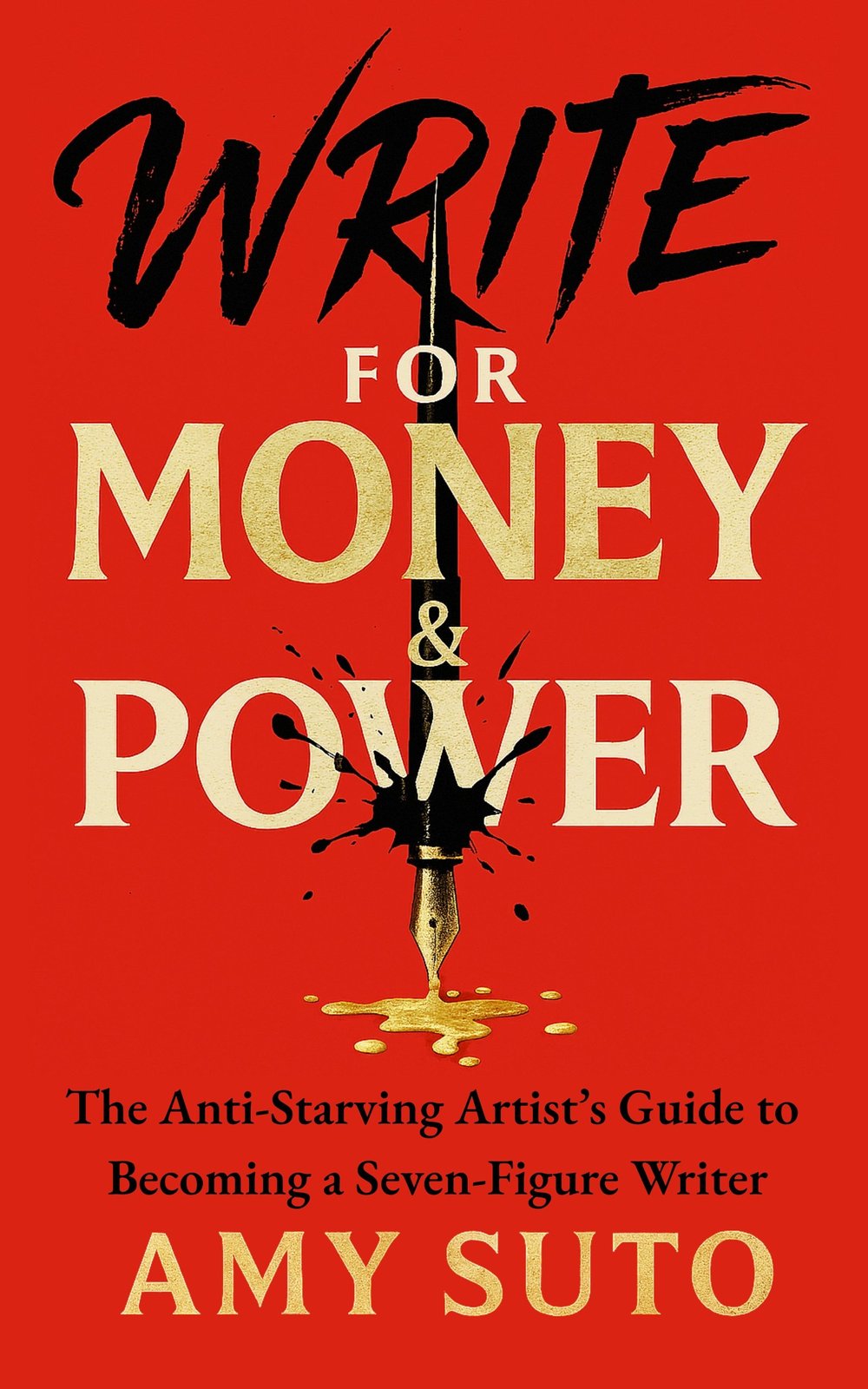
The anti-starving-artist's guide to becoming a seven-figure writer.
MY NEW NOVEL: LET ME BE YOUR GHOST

My romantic thriller arrives November 2026 — a ghostwriter with secrets, a billionaire CEO with more. Preorder one book, get two. Claim your bonus here →
MY ROMANTASY NOVEL: THE ASH TRIALS
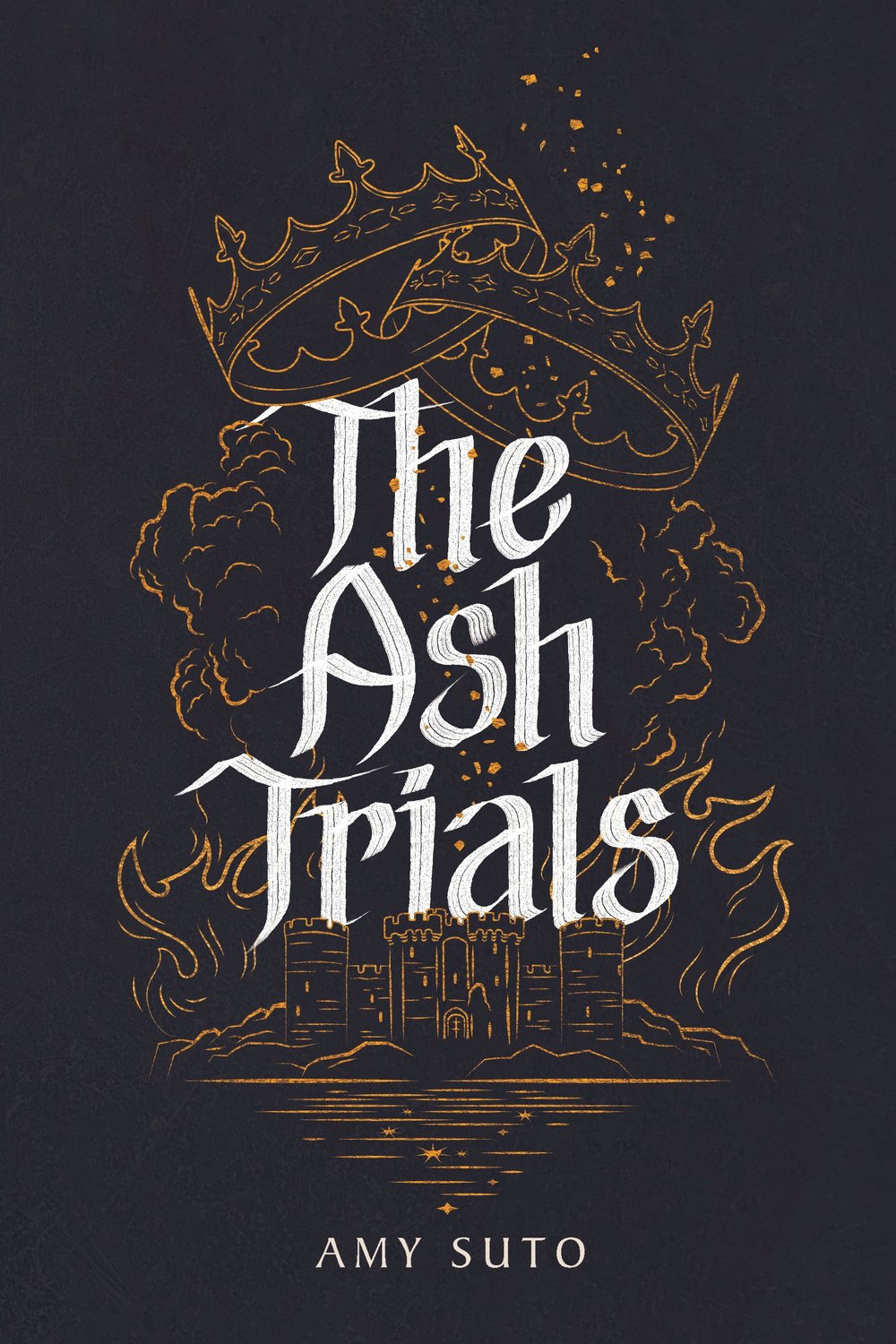
The deadliest game is remembering who you are.
MY DETECTIVE NOVEL: THE NOMAD DETECTIVE

Crime crosses borders, but so does this detective.
MY HOW-TO BOOK: SIX-FIGURE FREELANCE WRITER
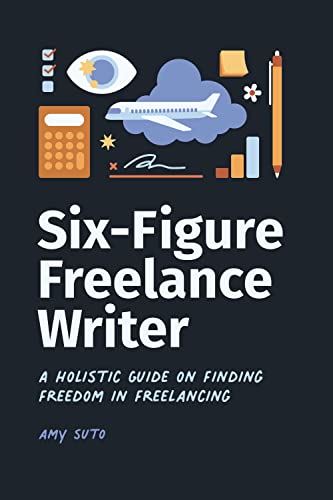
Work smarter, not harder — without the burnout.
RECENT POSTS
JOIN THE WRITING JOB BOARD
FOLLOW ME ON IG @SUTOSCIENCE



![🌁 chapter eighteen: strong as death [let me be your ghost]](https://substackcdn.com/image/fetch/w_480,c_limit,f_auto,q_auto:good,fl_progressive:steep/https%3A%2F%2Fsubstack-post-media.s3.amazonaws.com%2Fpublic%2Fimages%2F6b56d429-2b09-4a94-9b0f-415a889b419b_1080x1080.png)