
How to Start a Paid Substack Newsletter (From Blank Page to First Paid Subscriber)

One Tuesday morning not long ago, I checked my email while lacing up my sneakers and watched $1,000 land in my business account. Not an invoice I had to chase. Not a client call I had to survive. Subscription revenue, doing its thing while I went off to wander Golden Gate Park.
That’s a paid newsletter working as designed: like an ATM wired to your words. Mine, Make Writing Your Job, became a Top 20 Business bestseller on Substack with 42,000+ subscribers and $267K in gross annualized revenue. So when I tell you how to start one, this is the playbook I actually ran.
To start a paid Substack newsletter: pick a niche people will pay for (your taste counts as a niche), choose broadcast or community as your model, write a one-line promise, launch free on day one with paid subscriptions switched on, publish on a cadence you can sustain forever, and go paid properly — with a real launch. Step by step:
Step 1: Pick a Niche People Actually Pay For
General newsletters for “everyone” are gas station coffee: lukewarm, forgettable, nobody’s coming back for a refill. The paid newsletter game runs on obsession.
But before you panic-niche yourself into “Marketing Tips for B2B SaaS on Tuesdays,” hear this: sometimes your best niche isn’t a topic — it’s your taste. Some of the top paid newsletters win because of the voice driving the subject: the way that writer mixes ideas like cocktails.
People subscribe because they crave how you see the world. Start specific enough that people know what they’re paying for, then let it grow with you.
Step 2: Choose Your Model — Broadcast or Community
A paid newsletter takes one of two shapes. Broadcast: you write, they read (essays, serialized fiction, industry breakdowns, minimal moving parts). Community: you write plus host (chats, threads, events).
I run one of each: Make Writing Your Job is a community (job board, live classes, perks), and my second publication, Sutoscience, is pure broadcast — just my ideas and the page. Neither is better. Do you want to run a bustling club or a curated magazine? Pick one lane and own it.
Step 3: Write the One-Liner That Runs Everything
Strip your idea down to this sentence: “This is a newsletter where I [share what] for [who cares about it] because [why it matters].” That sentence is your core value offer. It decides your name, your about page, your welcome email, and what you ruthlessly ignore. If you can’t finish it in one breath, your future subscribers can’t either.
Step 4: Launch on Day One — with Payments Switched On
Don’t wait until you’re “ready.” Launch your newsletter the day you decide to have one (five subscribers or fifty, doesn’t matter) and turn on paid subscriptions immediately, even if everything stays outside the paywall at first.
You’re building the publishing muscle and the trust that becomes currency later. (Also: make sure you can export your email list. If you can’t download your subscribers, you don’t own your audience — you’re squatting on someone else’s land.)
Step 5: Don’t Create a Monster You Hate
The classic mistake: packing your paid tier like a holiday buffet — seventeen bonuses, a members-only channel you never update, resentment by month two. A newsletter that delivers one killer essay a week beats one that promises the moon and implodes. Think restaurant menu: two pages and people order confidently. Forty laminated options and they bolt. Clarity scales. Complexity kills.
Step 6: Price for Perceived Value, Not Your Effort
Nobody cares whether an issue took you ten minutes or ten hours — they care what lands in their inbox and how it makes their life better.
For most expertise newsletters that’s $8–15/month with an annual option. Fiction and niche-obsession newsletters often price lower and win on volume. Whatever you pick, raise it as the value grows: early subscribers keep their rate and feel like geniuses.
Step 7: Go Paid Like It’s a Launch (Because It Is)
Flipping on payments and telling no one is the most common paid-newsletter mistake. Going paid deserves an announcement, a clear list of what paid readers get, founding-member pricing with a real deadline, and more than one email.
I wrote the full conversion playbook (paywall placement, launch sequences, the ask cadence) in how to get paid subscribers on Substack, and the growth engine that feeds it in how to grow a Substack. For the money math (what Substack takes, revenue per subscriber, realistic timelines), see my $267K breakdown.
Want to Launch Yours in Two Weeks Instead of Two Years?

This is exactly what my Substack consulting intensive does: positioning, setup, content plan, and go-paid strategy — with me doing the heavy lifting alongside you. It starts with a free discovery call.
Tell me about your newsletter idea below — this form lands straight in my inbox. (And for the full three-pillar writing business this plugs into, there’s always Write for Money and Power.)

Hello! 👋 I’m Amy Suto. I’m a bestselling author, San Francisco content creator, and co-creator of the job board 🛋️ CozyJobs. Join CozyJobs to browse thousands of jobs and get daily matches to your inbox — writing and creative roles front and center!
GET ON THE LIST
Find your next writing job on 🛋️ COZYJOBS — thousands of jobs on a board updated daily, writing and creative roles front and center. ✨ The application tracker is free (basic CozyApply autofill is too), and paid plans start at $25/month with daily job matches straight to your inbox. Real writers are landing real work—don’t miss out.
FOLLOW ME ON GOOGLE
Add me as a preferred source and Google shows you more of my posts in Top Stories.

MY NEW BOOK: WRITE FOR MONEY & POWER
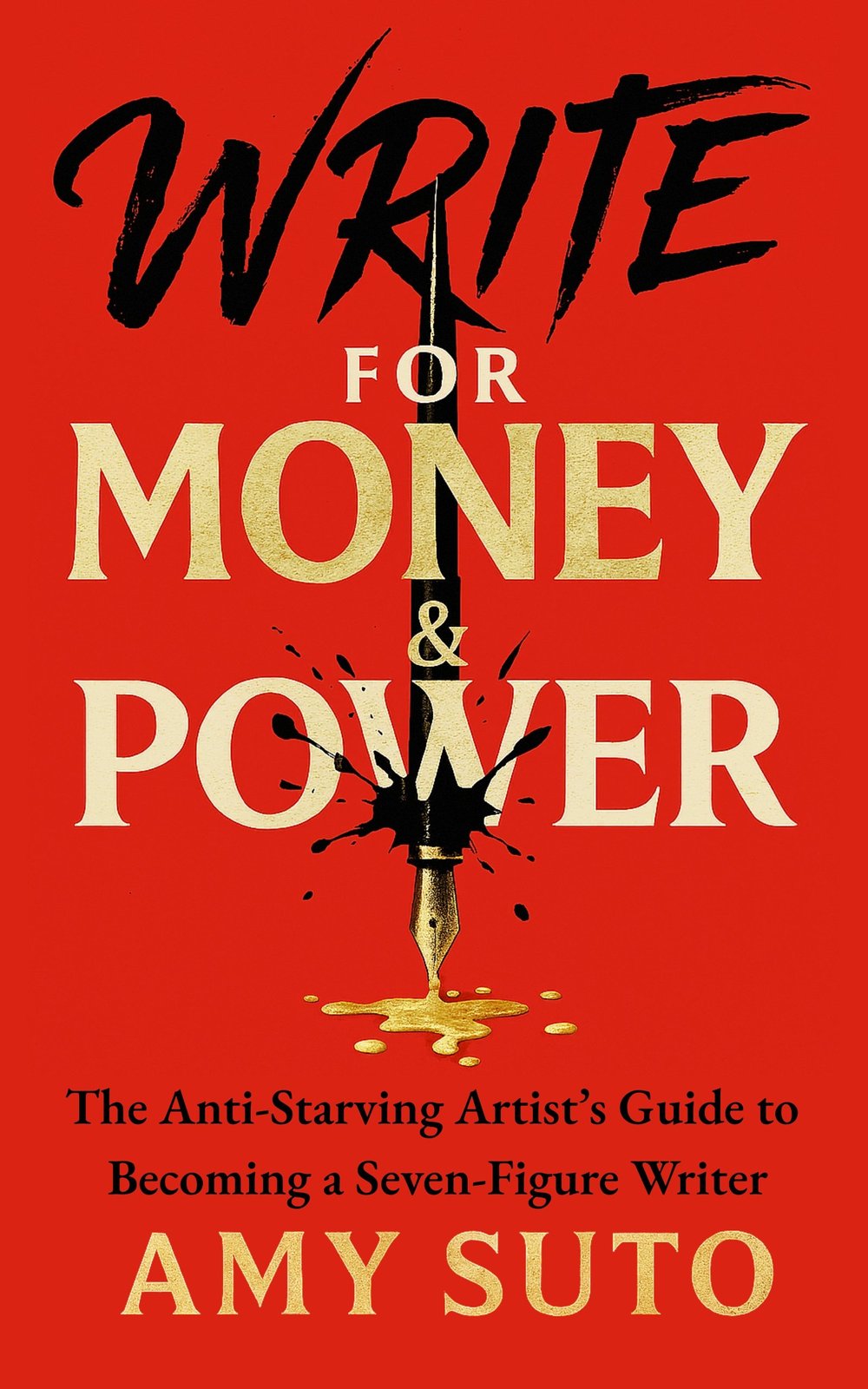
The anti-starving-artist's guide to becoming a seven-figure writer.
MY NEW NOVEL: LET ME BE YOUR GHOST

My romantic thriller arrives November 2026 — a ghostwriter with secrets, a billionaire CEO with more. Preorder one book, get two. Claim your bonus here →
MY ROMANTASY NOVEL: THE ASH TRIALS
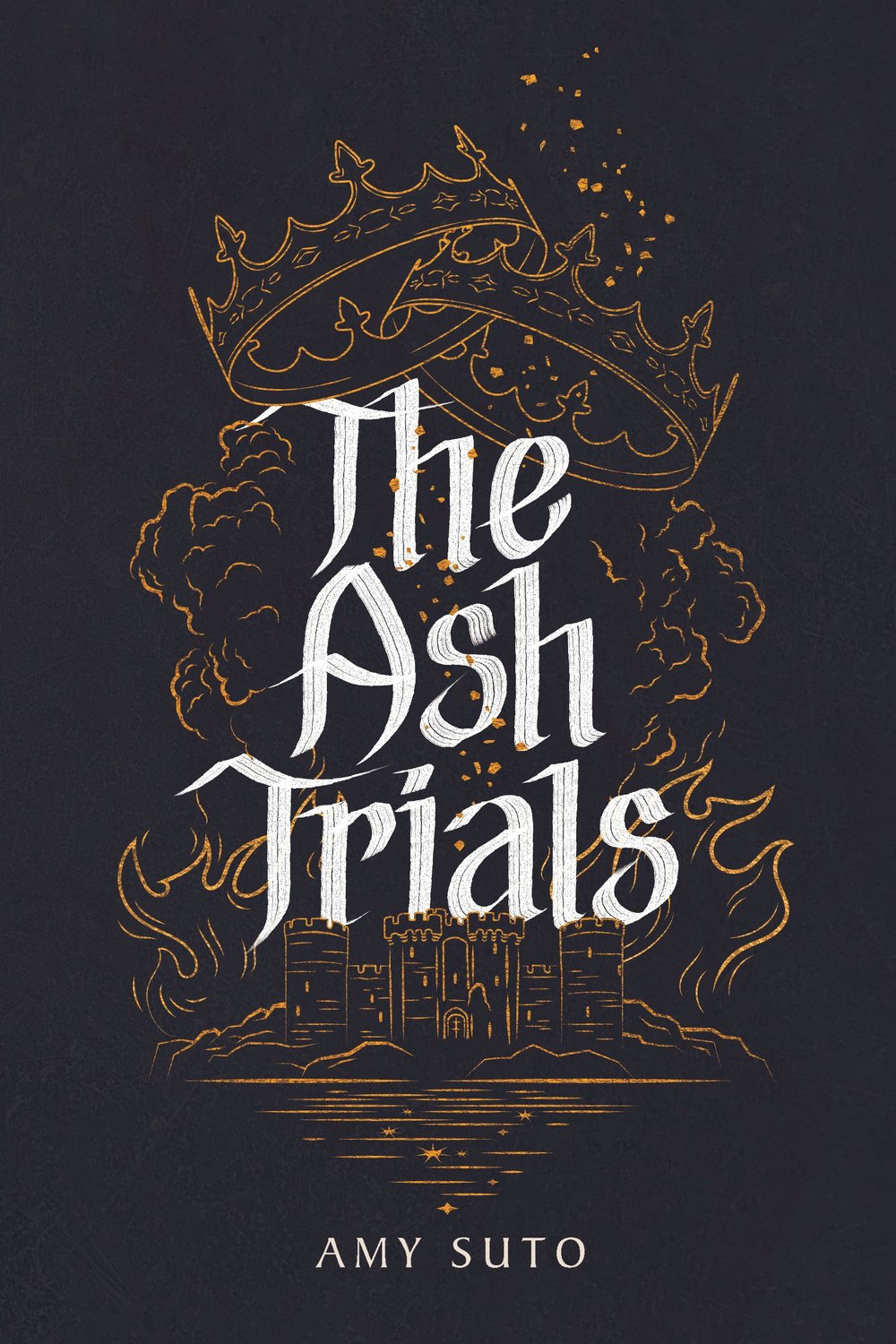
The deadliest game is remembering who you are.
MY DETECTIVE NOVEL: THE NOMAD DETECTIVE

Crime crosses borders, but so does this detective.
MY HOW-TO BOOK: SIX-FIGURE FREELANCE WRITER
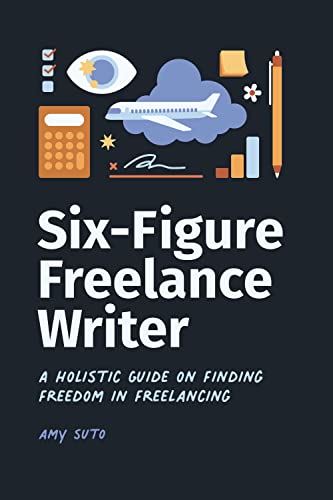
Work smarter, not harder — without the burnout.
RECENT POSTS
JOIN THE WRITING JOB BOARD
FOLLOW ME ON IG @SUTOSCIENCE


![🌁 chapter eighteen: strong as death [let me be your ghost]](https://substackcdn.com/image/fetch/w_480,c_limit,f_auto,q_auto:good,fl_progressive:steep/https%3A%2F%2Fsubstack-post-media.s3.amazonaws.com%2Fpublic%2Fimages%2F6b56d429-2b09-4a94-9b0f-415a889b419b_1080x1080.png)