
How to Get Paid Subscribers on Substack (What Converted My First 1,900)

There’s a specific little ping when someone upgrades to a paid subscription on your Substack, and I need you to know it never gets old. For the ground-floor version, read what is Substack and how does it work first.
The first time it happened, I stared at my phone like it owed me an explanation. Someone read my free posts and decided my writing was worth actual money, on purpose, with their own credit card? Reader, I floated.
A couple thousand pings later, my publication Make Writing Your Job has 1,900+ paid subscribers and became a Top 20 Business bestseller on Substack. Now I can tell you the difference between newsletters that convert and newsletters that stay tip jars. It’s not luck, and it’s not audience size alone. To see what the top of the platform looks like, my list of the most popular Substacks includes the ones I actually pay for.
Here’s the short version: grow a free list around one clear promise, build a paid tier that solves an expensive problem (not just “more posts”), paywall the payoff instead of the premise, launch “going paid” like an actual launch, and ask for the upgrade way more often than feels polite.
Now the longer version, with all the parts I had to learn the hard way.
1. Your Free List Is the Whole Ballgame
Paid conversion is a percentage, and you can’t out-optimize a small numerator. Healthy paid newsletters convert somewhere in the 2–10% range — mine lands around one paying reader for every twenty free ones. So before you agonize over pricing, make sure the top of the funnel is actually growing. I wrote the whole growth playbook here: how to grow a Substack (the real timeline included).
2. Sell a Promise, Not a Tip Jar
“Support my work” converts your superfans, and it stops there. What converts everyone else is a paid tier with its own promise — a concrete, valuable thing free readers don’t get.
On Make Writing Your Job, going paid means getting the material that directly helps you land writing work and income. The question in a reader’s head isn’t “do I like this writer?” It’s “does this pay for itself?” Build a tier where the answer is obviously yes.
3. Paywall the Payoff, Never the Premise
The free half of a paywalled post is a sales page, whether you designed it that way or not. Give real value above the cut (free readers should still leave fed) and drop the paywall exactly where a serious reader is leaning forward: the template, the numbers, the how. If free readers feel tricked, you lose them. If they feel fed-but-curious, they upgrade.
4. Launch “Going Paid” Like a Product, Not a Settings Change
The most common mistake I see: flipping on payments without telling anyone and hoping. No. Going paid is a launch. Announce it ahead of time. Spell out exactly what paid readers get.
Offer founding-member or early-bird pricing with a real deadline. Send more than one email about it: deadlines convert, announcements alone don’t. You get exactly one “I’m going paid!” moment per newsletter — spend it loudly.
5. Price Like You Mean It
Underpricing doesn’t just cost you money — it tells readers the tier isn’t worth much. Price against the problem you solve, not against your imposter syndrome. For most expertise newsletters that’s comfortably $8–15/month with an annual option that rewards commitment.
And raise prices as the value grows: new subscribers pay the new rate, existing readers keep theirs and feel like geniuses for being early. Everybody wins, especially you.
6. Keep Asking (Nobody Reads Every Email — Not Even Yours)
One upgrade pitch per quarter is invisible. Your readers are busy — they missed your last five emails and they’ll miss the next five.
A short, warm line about what paid readers get (in your welcome email, at the bottom of free posts, in the occasional dedicated note) reaches the people who missed it the last time. Nobody unsubscribes because you offered them more of the thing they already signed up for.
7. Serialize Something
Serialized content is a conversion machine, because a reader hooked on an unfolding story has a reason to upgrade today instead of someday. I serialize fiction on my second Substack, and the exact same mechanic works for a curriculum, a challenge, or a book written in public on an expertise newsletter. Give people a cliffhanger and a button. It’s almost unfair.
How Many Paid Subscribers Do You Actually Need?
Fewer than you think. At a typical $10/month, 100 paid subscribers is roughly $1,000/month before Substack’s cut. 850 is a six-figure run rate. For the full math (including what Substack takes and where the rest of my income comes from), here’s my $267K breakdown. Still weighing the platform itself? My honest answer on whether Substack is worth it.
Want a Second Set of Eyes on Your Paid Tier?

Designing paid tiers and going-paid launches is core Substack consulting work for me — it’s the highest-leverage two weeks you can spend on your newsletter.
Tell me about your newsletter below (it lands straight in my inbox), or go read more about my Substack consulting first. Either way, it starts with a free discovery call. No pitch decks, no weirdness. Just two writers talking about your thing.

Hello! 👋 I’m Amy Suto. I’m a bestselling author, San Francisco content creator, and co-creator of the job board 🛋️ CozyJobs. Join CozyJobs to browse thousands of jobs and get daily matches to your inbox — writing and creative roles front and center!
GET ON THE LIST
Find your next writing job on 🛋️ COZYJOBS — thousands of jobs on a board updated daily, writing and creative roles front and center. ✨ The application tracker is free (basic CozyApply autofill is too), and paid plans start at $25/month with daily job matches straight to your inbox. Real writers are landing real work—don’t miss out.
FOLLOW ME ON GOOGLE
Add me as a preferred source and Google shows you more of my posts in Top Stories.

MY NEW BOOK: WRITE FOR MONEY & POWER
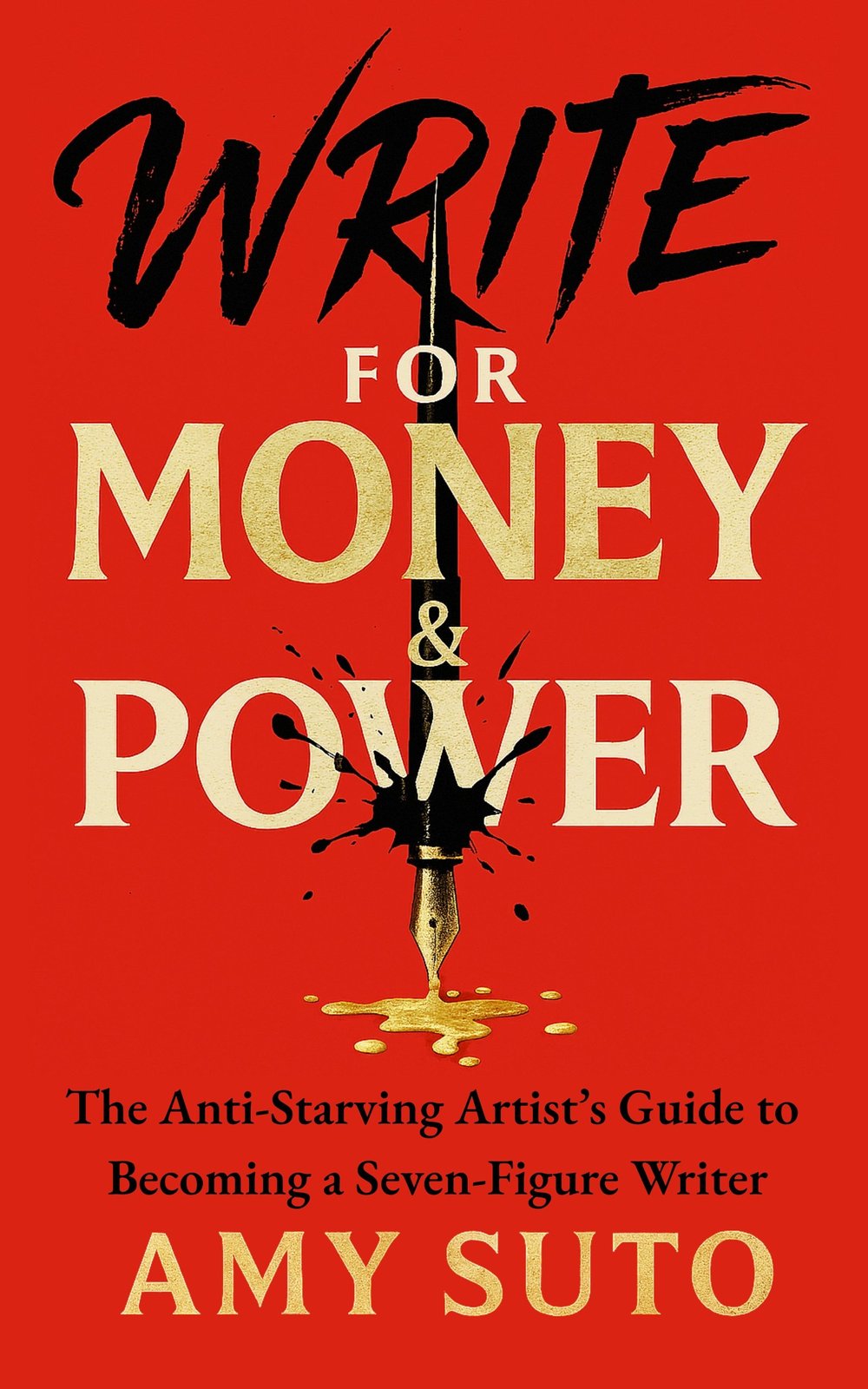
The anti-starving-artist's guide to becoming a seven-figure writer.
MY NEW NOVEL: LET ME BE YOUR GHOST

My romantic thriller arrives November 2026 — a ghostwriter with secrets, a billionaire CEO with more. Preorder one book, get two. Claim your bonus here →
MY ROMANTASY NOVEL: THE ASH TRIALS
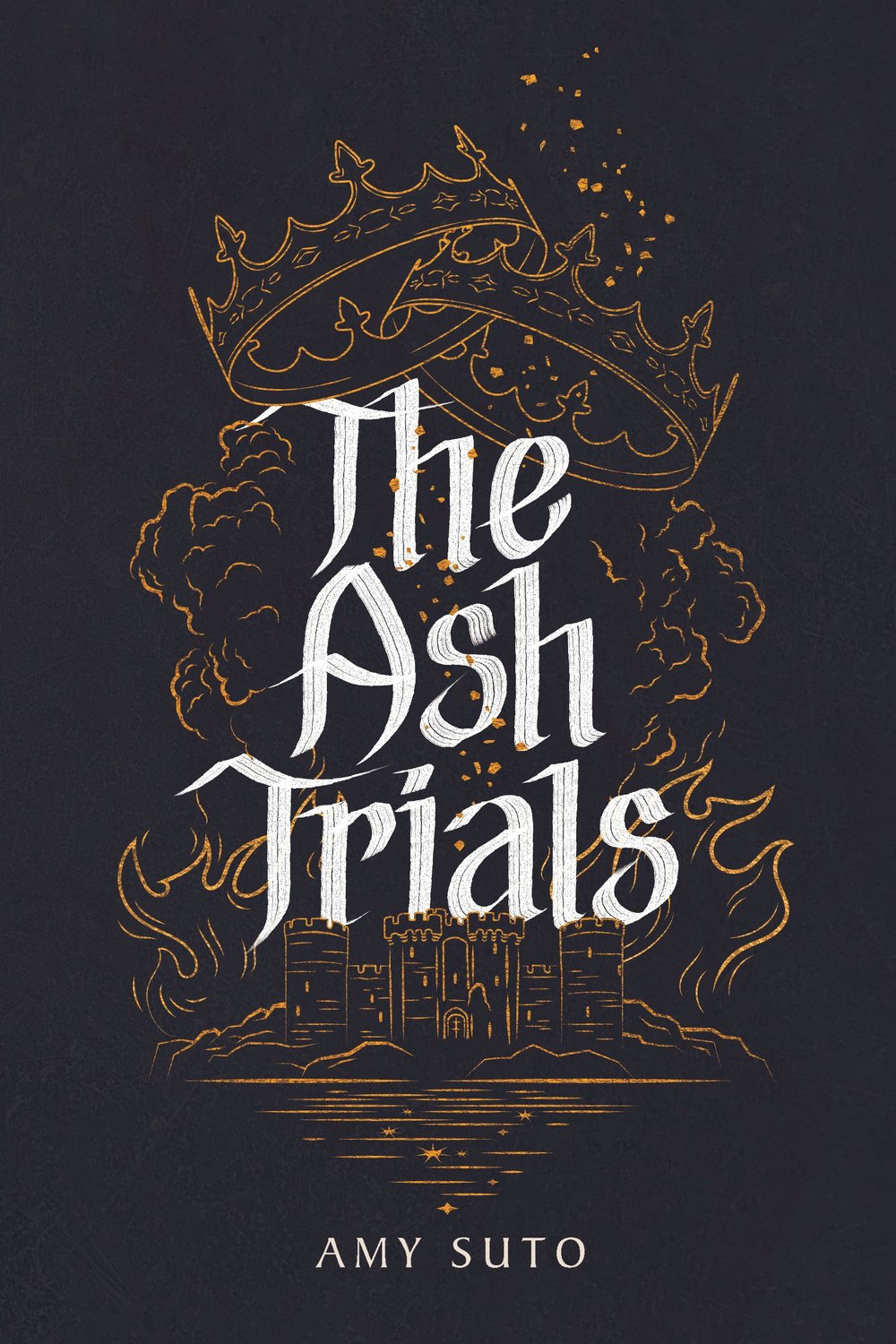
The deadliest game is remembering who you are.
MY DETECTIVE NOVEL: THE NOMAD DETECTIVE
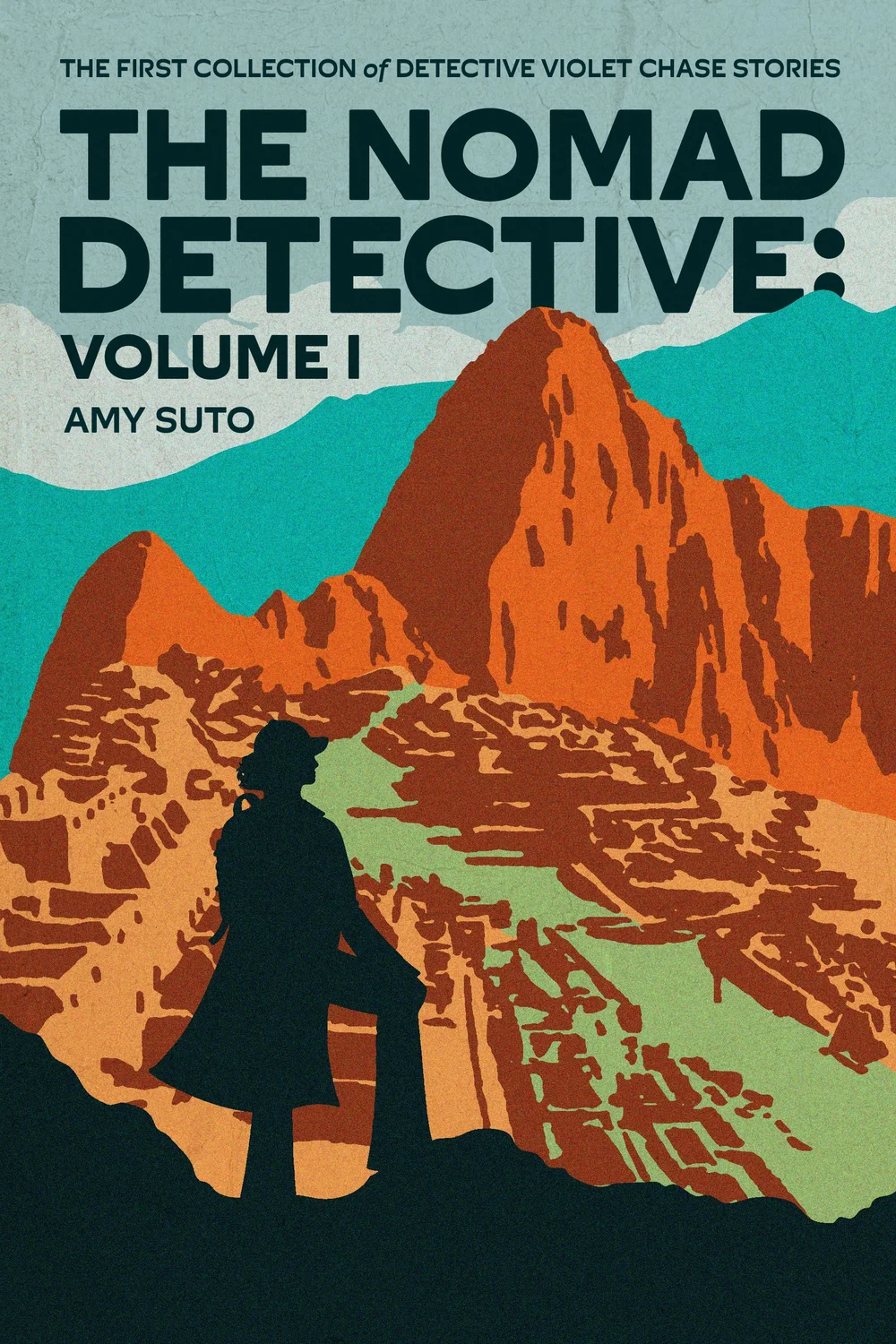
Crime crosses borders, but so does this detective.
MY HOW-TO BOOK: SIX-FIGURE FREELANCE WRITER
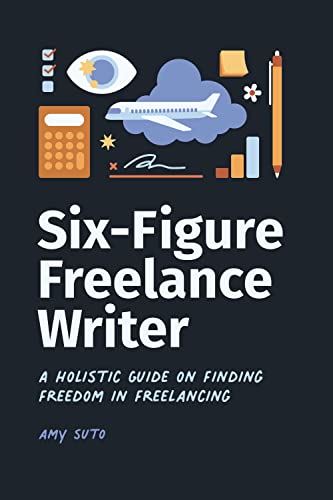
Work smarter, not harder — without the burnout.
RECENT POSTS
JOIN THE WRITING JOB BOARD
FOLLOW ME ON IG @SUTOSCIENCE



![🌁 chapter eighteen: strong as death [let me be your ghost]](https://substackcdn.com/image/fetch/w_480,c_limit,f_auto,q_auto:good,fl_progressive:steep/https%3A%2F%2Fsubstack-post-media.s3.amazonaws.com%2Fpublic%2Fimages%2F6b56d429-2b09-4a94-9b0f-415a889b419b_1080x1080.png)