
How to Make Money on Substack: My $267K Breakdown
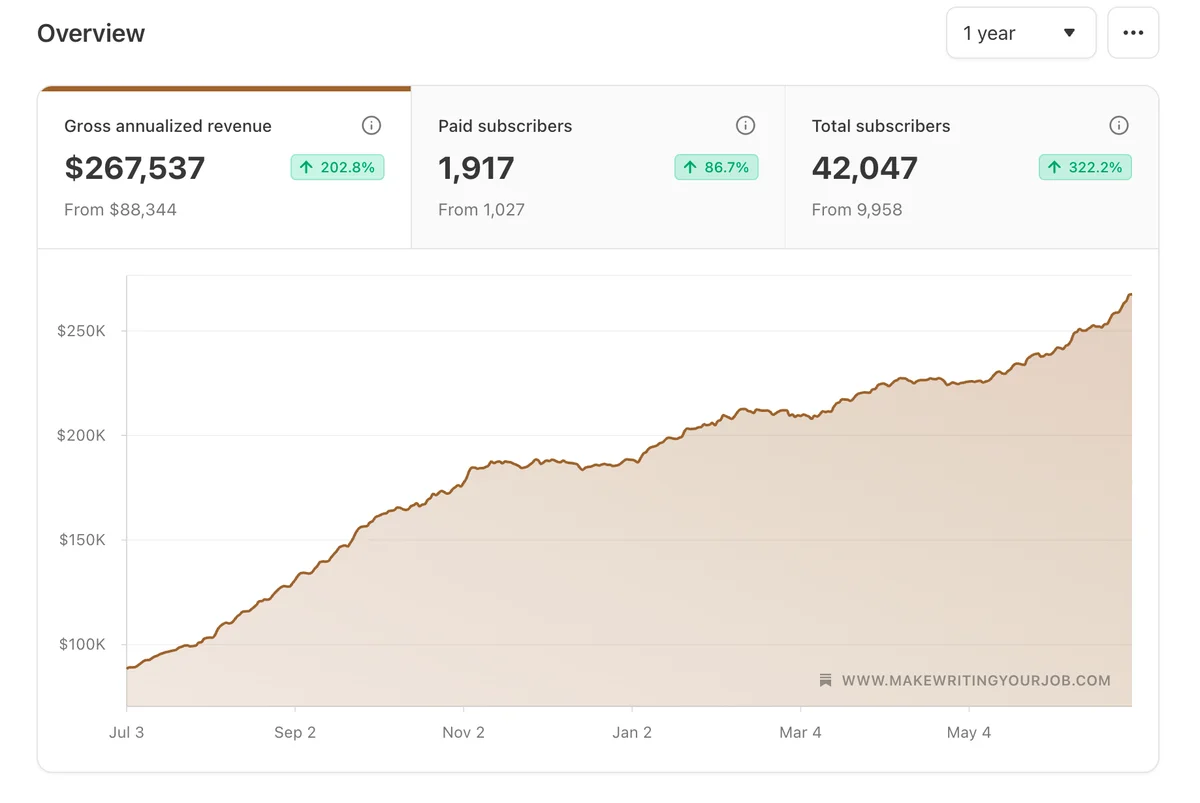
That screenshot above is my actual Substack dashboard: $267,537 in gross annualized revenue, 1,917 paid subscribers, 42,047 total subscribers, Top 20 Business bestseller. If you are new to the platform entirely, start with my plain-English guide to what Substack is and how it works.
I’m showing you the receipts up front because “how to make money on Substack” articles are usually written by people who… haven’t. And because the numbers come with an honest asterisk: the audience took me three years to build. For a sense of scale, the most popular Substacks shows what the biggest publications on the platform are doing.
The revenue, though? Most of that showed up in a 12-to-15-month sprint once all the pieces were in place. No ads, no funding, no famous co-sign. A laptop and a publishing schedule.
You make money on Substack through paid subscriptions first — readers paying monthly or annually — plus founding tiers, and, if you’re smart about it, the services, clients, and books your newsletter sells for you in the background. Here’s how each piece actually works, with real math.
The Revenue Formula (Simpler than You Want It to Be)
Newsletter revenue is three numbers multiplied together: free subscribers × conversion rate × price. That’s it. That’s the whole spreadsheet. Mine converts roughly one in twenty free readers to paid. Double any of the three numbers and you double revenue — but the free list is the lever with the highest ceiling, which is why I always point people to growth before monetization.
What Substack Takes
Substack is free to use and takes 10% of your paid revenue, plus payment processing (Stripe’s cut, roughly another 3%). So a $100,000 subscription year nets out around $87,000 before taxes. Does the 10% sting at scale? Yes.
Is it buying you the recommendation network, hosting, payments, and a reader base already trained to pay for newsletters? Also yes. My full feelings on that trade are in Is Substack Worth It in 2026?.
Stream #1: Paid Subscriptions
The engine. A paid tier with its own promise, strategic paywalls, launches with deadlines, and regular (yes, regular) upgrade asks. I wrote the entire conversion playbook in How to Get Paid Subscribers on Substack, so I won’t repeat it here — but that post is the “how” behind every dollar in the screenshot above.
Stream #2: Founding Tiers
Substack lets readers pay a higher “founding member” price, and a surprising number of people will — especially if you attach something personal: a call, a manuscript review, early access. Founding tiers raise your average revenue per subscriber without adding a single post to your workload. Turn them on. Make them mean something.
Stream #3: the Newsletter as Storefront
Here’s the part most “make money on Substack” posts miss entirely: the subscription doesn’t have to be the whole business. It can be the front door to one. My newsletters send readers to my books. My visibility on Substack brings me ghostwriting clients and Substack consulting work.
A few thousand engaged readers who trust you is a client pipeline most businesses would kill for — and depending on what you sell, this stream can out-earn your subscriptions even with a fraction of my list size.
Stream #4: Serialized and Creative Work
Fiction writers, this one’s ours: serialization is having a real renaissance on Substack. I serialize novels on my second publication, Sutoscience, where an unfolding story gives readers a reason to subscribe — and upgrade — today. The same mechanic works for a course, a challenge, or a book written in public.
The Honest Timeline (Read This Before You Quit Your Day Job)
My revenue sprint happened in years two and three, not month two. A more typical honest arc: months one through six, you’re building the free list and finding your cadence. You go paid somewhere in months three to nine.
Meaningful revenue — a few thousand a month — tends to arrive as your free list crosses into five figures. Slow is normal. Compounding is real. The writers who lose aren’t the slow ones — they’re the ones who quit during act one.
The Math for Your Newsletter
At $10/month: 100 paid subscribers ≈ $12,000/year gross. 500 ≈ $60,000. 850 ≈ six figures. Work backwards from your goal: at a 5% conversion rate, six figures means roughly 17,000 free subscribers. Which is exactly why the growth playbook comes first and the paywall comes second.
Want Help Building Your Version of This?

Positioning, launch, paid strategy, the whole engine — that’s my Substack consulting intensive. I only take on newsletters I genuinely believe can work, which is exactly what the free discovery call is for.
Tell me about your newsletter below — this form lands straight in my inbox — or go read more about my Substack consulting first. Either way, it starts with a free discovery call. No pitch decks, no weirdness. Just two writers talking about your thing.

Hello! 👋 I’m Amy Suto. I’m a bestselling author, San Francisco content creator, and co-creator of the job board 🛋️ CozyJobs. Join CozyJobs to browse thousands of jobs and get daily matches to your inbox — writing and creative roles front and center!
GET ON THE LIST
Find your next writing job on 🛋️ COZYJOBS — thousands of jobs on a board updated daily, writing and creative roles front and center. ✨ The application tracker is free (basic CozyApply autofill is too), and paid plans start at $25/month with daily job matches straight to your inbox. Real writers are landing real work—don’t miss out.
FOLLOW ME ON GOOGLE
Add me as a preferred source and Google shows you more of my posts in Top Stories.

MY NEW BOOK: WRITE FOR MONEY & POWER
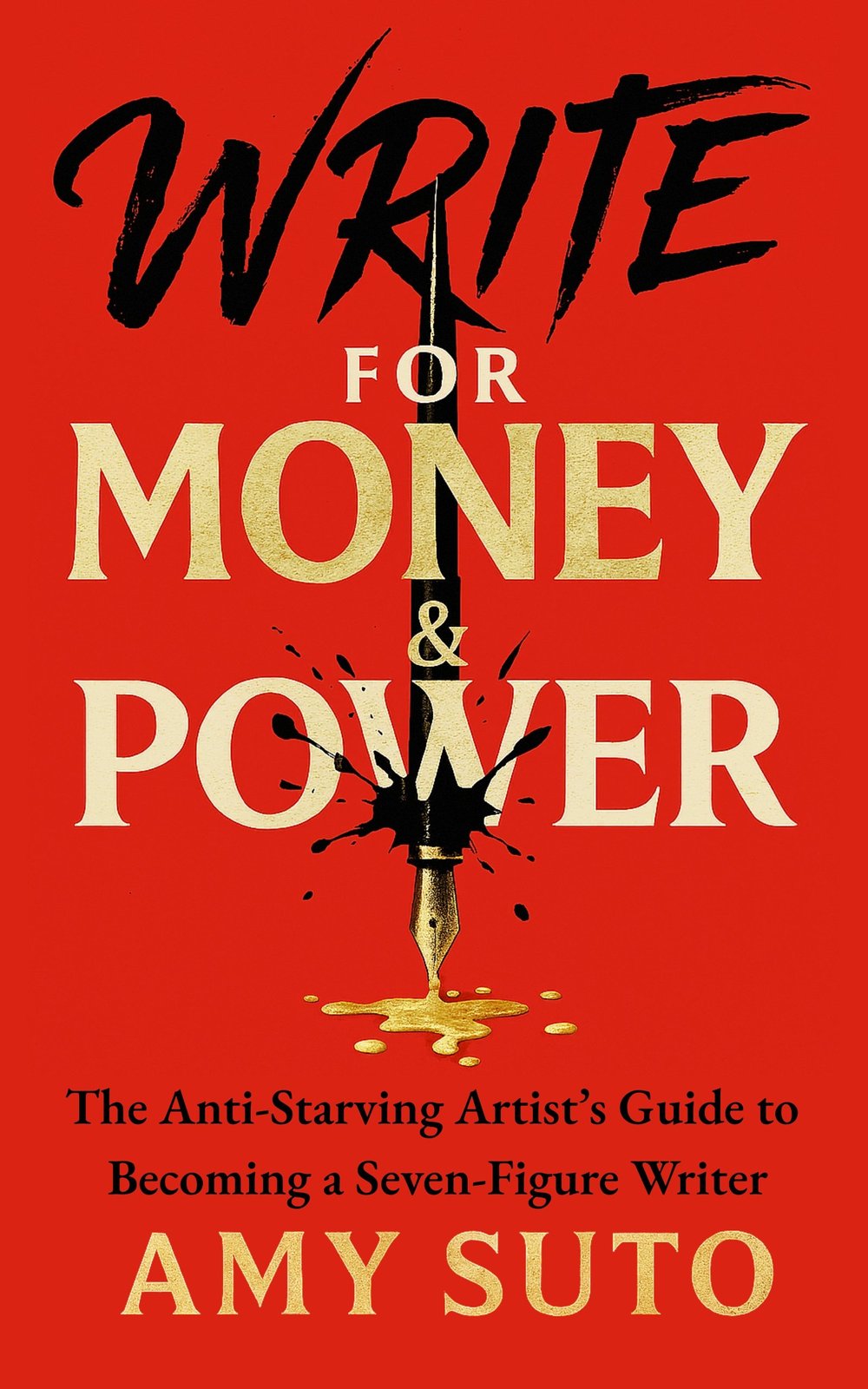
The anti-starving-artist's guide to becoming a seven-figure writer.
MY NEW NOVEL: LET ME BE YOUR GHOST

My romantic thriller arrives November 2026 — a ghostwriter with secrets, a billionaire CEO with more. Preorder one book, get two. Claim your bonus here →
MY ROMANTASY NOVEL: THE ASH TRIALS
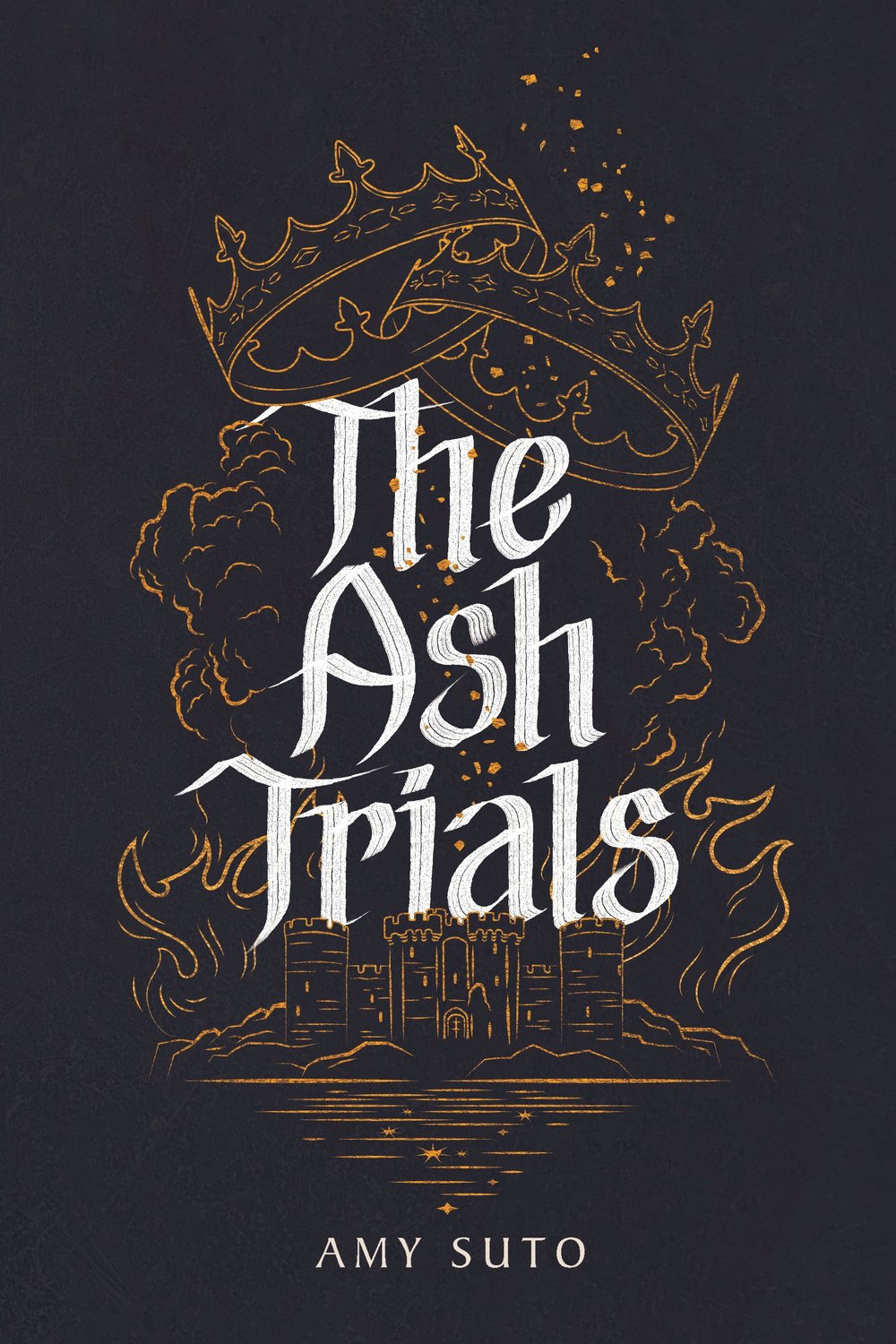
The deadliest game is remembering who you are.
MY DETECTIVE NOVEL: THE NOMAD DETECTIVE

Crime crosses borders, but so does this detective.
MY HOW-TO BOOK: SIX-FIGURE FREELANCE WRITER
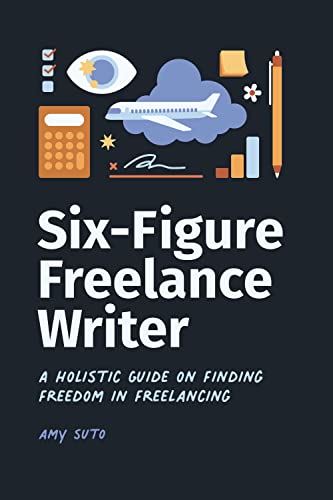
Work smarter, not harder — without the burnout.
RECENT POSTS
JOIN THE WRITING JOB BOARD
FOLLOW ME ON IG @SUTOSCIENCE


![🌁 chapter eighteen: strong as death [let me be your ghost]](https://substackcdn.com/image/fetch/w_480,c_limit,f_auto,q_auto:good,fl_progressive:steep/https%3A%2F%2Fsubstack-post-media.s3.amazonaws.com%2Fpublic%2Fimages%2F6b56d429-2b09-4a94-9b0f-415a889b419b_1080x1080.png)