Substack vs WordPress: Which Should Writers Use in 2026?

This website has lived three lives. It started on WordPress, moved to Squarespace, and today it’s fully self-hosted — rebuilt from scratch so it loads fast and ranks. So when writers ask me about Substack vs WordPress, I’m answering as someone who has paid rent on every side of this street, including the Substack side, where my newsletter has 42,000+ subscribers.
And my answer annoys people who want a winner: they’re not competitors. They’re two different jobs.
The short version: use Substack for your newsletter, community, and discovery, and use a website you own for Google search. Substack publications rarely rank well in Google (it tends to treat them like news content), while a WordPress or self-hosted site can compound organic traffic for years.
What Substack Does Better Than WordPress
Substack is free, requires zero maintenance, sends email natively, and turns on paid subscriptions with a toggle. Most importantly, it has a discovery network: recommendations and Notes helped grow my list to 42,000+ subscribers over three years with no paid ads. WordPress has no network. Nobody discovers your WordPress blog because another blogger recommended it in their dashboard.
And I’ll say this as a veteran: with WordPress, you own the site and all of its problems. Hosting bills, plugin conflicts, updates that break at midnight, the eternal quest for a theme that doesn’t load like it’s wading through syrup. I did my time in plugin-update purgatory. I’m not going back.
What WordPress Does Better Than Substack
Search. Design control. Ownership with no revenue share. On WordPress (or any site you own), every evergreen post is an asset Google can compound for a decade — my own site earns around 13,000 organic search visits a month across 1,600+ ranking keywords. You also control every pixel, which matters once your publication is a business with a brand.
Is Substack Good for SEO?
Honestly: no, and it’s the part most comparison posts skip. Google tends to treat Substack publications like news content, so evergreen posts on a substack.com address have a hard time ranking for anything beyond your own name. If long-term search traffic matters to your business, the newsletter alone won’t get you there — you need a home on the open web. (This exact thesis is why the site you’re reading exists alongside my newsletters.)
What I’d Actually Do Today
If I were starting over in 2026, I’d skip WordPress entirely and build my site with an AI coding tool like Claude Code — that’s what this site is now, and it’s faster than anything I ever rented from a platform. If that sounds like too much, Squarespace or WordPress are still fine homes. The point isn’t the tool. The point is owning a domain where your evergreen work can rank.
Then pair it with Substack: the website catches searchers, the newsletter keeps them. Every post on this site funnels readers to my Substacks, and my Substacks send readers back here. That loop is the whole strategy.
FAQ: Substack vs WordPress
Can Substack Replace a Website?
For a brand-new writer, yes, temporarily — it’s a publication, archive, and About page in one. Once you want search traffic or a real brand home, you’ll outgrow it.
Can You Use Your Own Domain on Substack?
Yes, Substack supports custom domains for a small one-time fee. It helps your branding more than your rankings.
Is WordPress Really Free?
The software is free. The hosting, theme, plugins, and hours of your life are not. Budget for all four.
Should a Writer Have Both?
If writing is your business, yes. The website is for being found. The newsletter is for being remembered.
Want the Website-Plus-Newsletter Playbook?

This site and my newsletters work as one funnel, and building that loop for writers and founders is part of my Substack consulting. Tell me about your project below, or browse every guide in my Substack resource hub.
Rent the reach. Own the ground. That’s the whole game.

Hello! 👋 I’m Amy Suto. I’m a bestselling author, San Francisco content creator, and co-creator of the job board 🛋️ CozyJobs. Join CozyJobs to browse thousands of jobs and get daily matches to your inbox — writing and creative roles front and center!
GET ON THE LIST
Find your next writing job on 🛋️ COZYJOBS — thousands of jobs on a board updated daily, writing and creative roles front and center. ✨ The application tracker is free (basic CozyApply autofill is too), and paid plans start at $25/month with daily job matches straight to your inbox. Real writers are landing real work—don’t miss out.
FOLLOW ME ON GOOGLE
Add me as a preferred source and Google shows you more of my posts in Top Stories.
MY NEW BOOK: WRITE FOR MONEY & POWER
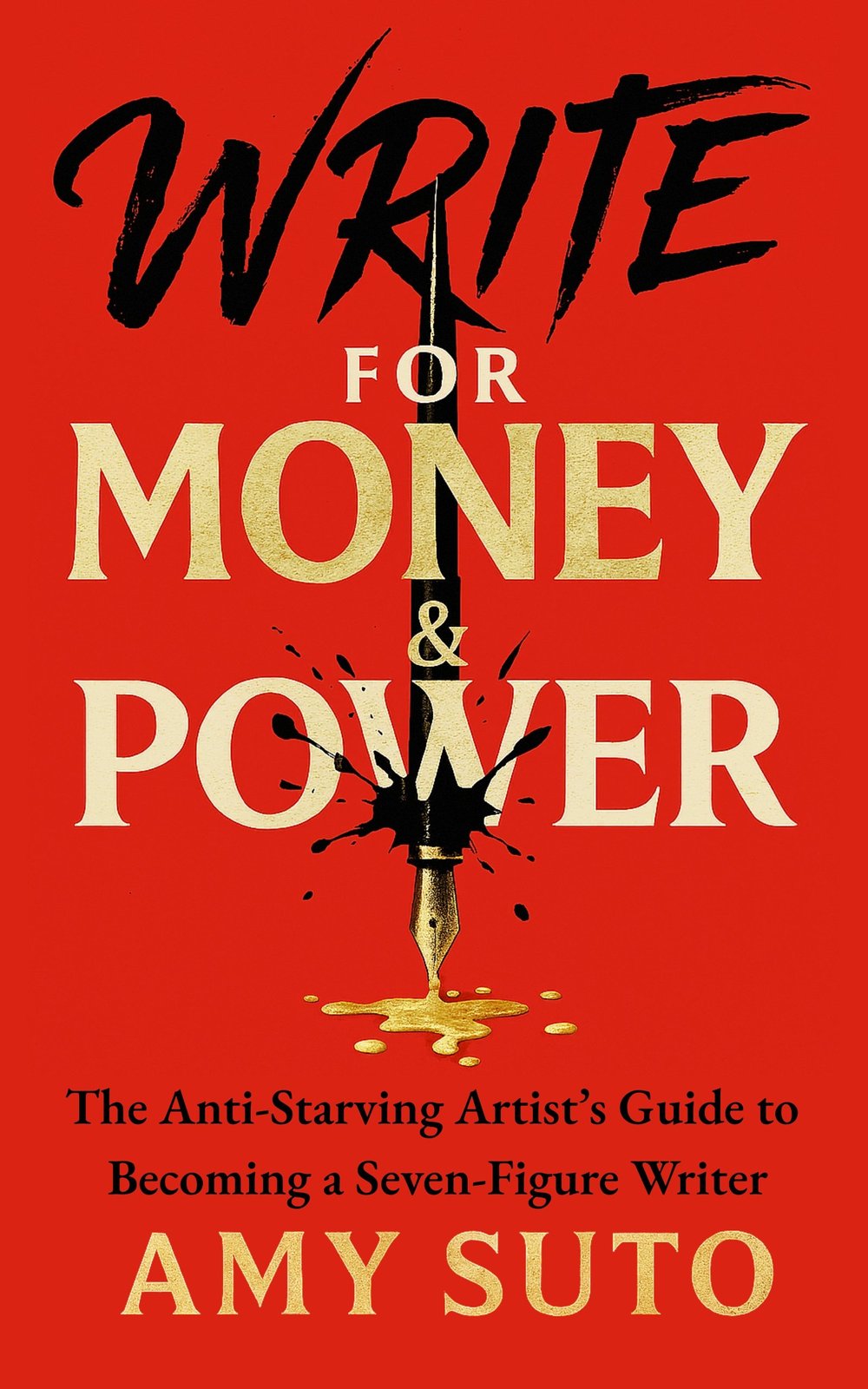
The anti-starving-artist's guide to becoming a seven-figure writer.
MY NEW NOVEL: LET ME BE YOUR GHOST

My romantic thriller arrives November 2026 — a ghostwriter with secrets, a billionaire CEO with more. Preorder one book, get two. Claim your bonus here →
MY ROMANTASY NOVEL: THE ASH TRIALS
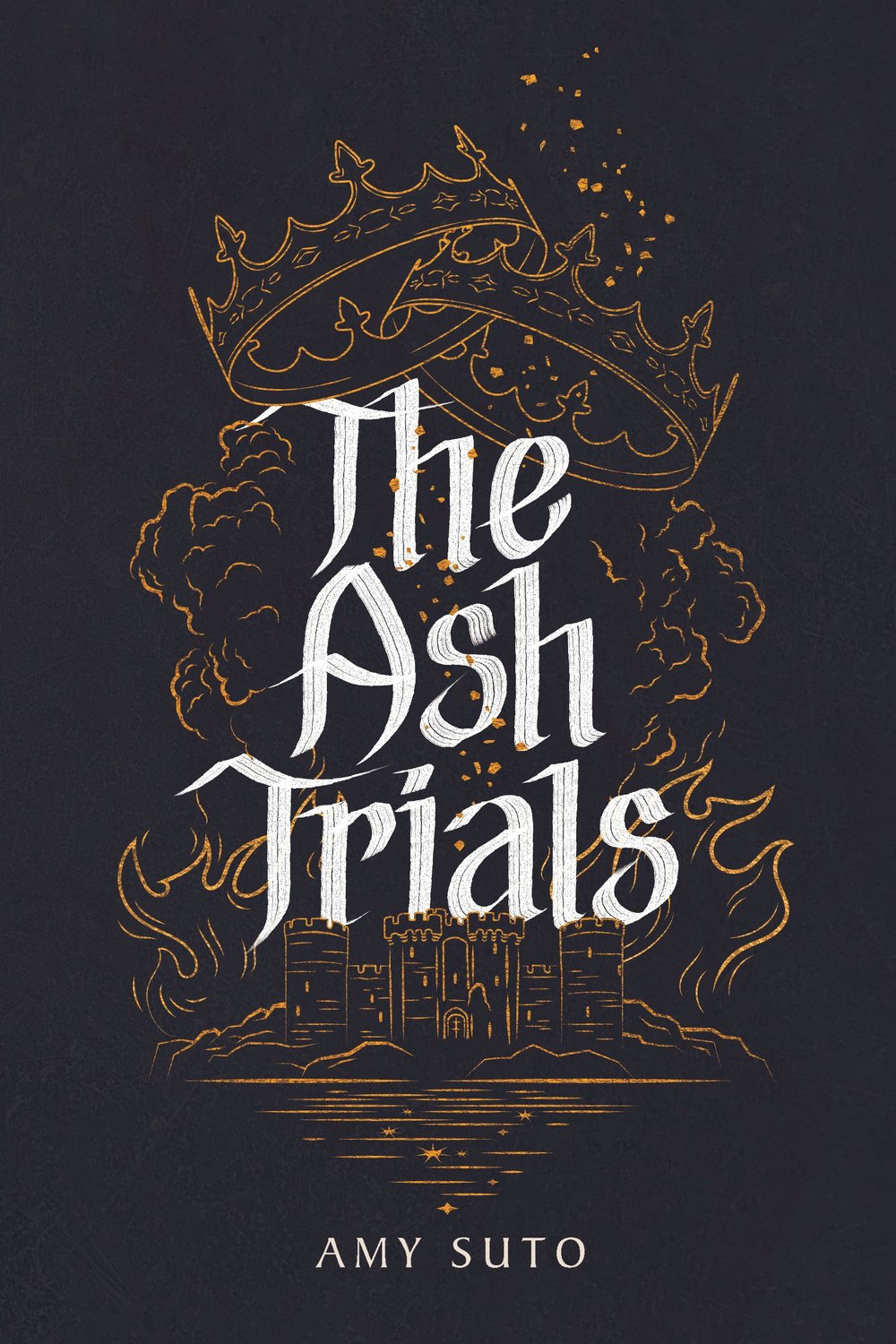
The deadliest game is remembering who you are.
MY DETECTIVE NOVEL: THE NOMAD DETECTIVE

Crime crosses borders, but so does this detective.
MY HOW-TO BOOK: SIX-FIGURE FREELANCE WRITER
Work smarter, not harder — without the burnout.
RECENT POSTS
JOIN THE WRITING JOB BOARD
FOLLOW ME ON IG @SUTOSCIENCE