Substack vs Ghost: Which Newsletter Platform Wins?

Substack’s cut of my newsletter revenue runs about $26,700 a year. Ghost would take zero. Those two sentences are the entire case for Ghost, and the reason I still publish on Substack anyway is the part that needs the other 1,500 words.
Full disclosure first: I have not run a Ghost site myself. I run two Substacks (my publication Make Writing Your Job is a Top 20 Business bestseller, and my newsletters gross $267,537 in annualized revenue), I have migrated clients between platforms, and I get asked about Ghost roughly once a week by writers who have done the fee math and want to know why I have not moved. So this is the honest comparison from someone who has read every page of Ghost’s pricing and stayed put anyway, with the reasons on both sides.
The short version: Ghost is the better tool for owning your stack, with 0% revenue share, real SEO, and a website that is actually yours. Substack is the better platform for finding readers, with a discovery network Ghost simply does not have. If your audience already exists, Ghost saves you money. If you are still building one, Substack is worth its 10%.
Where Ghost Wins
Zero revenue share. Ghost charges a flat hosting fee (or nothing, if you self-host) and takes 0% of your paid subscriptions. Stripe’s processing fee still applies, as it does everywhere.
You own the whole thing. Open-source software, your domain, your theme, your member database, your email list, and no platform deciding what your homepage looks like. If you leave, you take everything.
It is a real website. Ghost pages rank on Google the way any well-built site does. Substack publications, in my experience and in the search data I look at, barely rank for anything but their own names.
Memberships with tiers and perks. Free, paid, and complimentary tiers, multiple newsletters, gated content by tier, and a proper CMS underneath it all.
Design control. Themes, custom code, a homepage that can be a magazine instead of a feed. Substack gives you a logo, a color, and a layout you share with everyone else.
Where Substack Wins
Discovery. Recommendations from other writers, Notes, the app, the leaderboards, and a reader base already trained to subscribe and pay. Every client I have moved onto Substack from a platform without this saw paid subscribers arrive faster. Ghost has none of it. You bring your entire audience.
Zero setup. A Substack takes an afternoon to launch and nothing to maintain. Ghost(Pro) is easy too, but self-hosted Ghost is a server you are responsible for, and the themes, integrations, and email deliverability are your job.
No fixed cost. Substack is free until you earn. Ghost’s hosted plans start around $9 a month for a small list and climb with your member count, which is a real bill for a newsletter earning nothing yet.
The network effect compounds. My newsletter grew to 49,500-plus subscribers over three years with zero dollars spent on ads, and a large share of that came through Substack’s own recommendation and discovery features. That growth engine is the thing you are paying 10% for.
The Fee Math, Honestly
Substack takes 10% of paid revenue plus Stripe’s processing (roughly 2.9% plus 30 cents per charge), so you keep about 87%. Ghost takes 0% plus Stripe, so you keep about 97%, minus a flat hosting fee that scales with your list. At a small newsletter, the difference is a few dollars a month either way. At mine, the gap is real: my Substack fee is about $26,700 a year, and a Ghost(Pro) plan at my member count would cost a fraction of that. The full breakdown of what Substack charges, at real subscriber counts, is in my Substack pricing guide.
So why pay it? Because the 10% only hurts when the newsletter is not growing, and Substack is where mine grows. I would rather keep 87% of a number that keeps going up than 97% of a number I have to drive entirely by myself. The day that stops being true is the day the math changes, and I check it every year.
Who Should Pick Ghost
Writers with an existing audience (a book readership, a podcast, a big social following) who want to own the site and skip the platform cut.
Publications that need a real website: multiple authors, sections, a homepage that is not a feed, and SEO that compounds.
Anyone who has already hit the point where 10% is a salary. If your Substack fee could pay a part-time editor, Ghost deserves a serious look.
People who want the newsletter, the membership, and the site in one open-source tool they control forever.
Who Should Pick Substack
Writers starting from zero, or from a small list, who need discovery more than they need design control.
Anyone monetizing with paid subscriptions who would rather have readers arrive than build every acquisition channel by hand.
Writers who want to write and not run a website. The maintenance cost of Substack is nothing, and nothing is a feature.
Anyone who wants to test whether their newsletter has a business in it before paying a hosting bill to find out.
Can You Move From Substack to Ghost (or Back)?
Yes, in both directions. Both platforms export your subscriber list as a CSV and your posts in a portable format, and paid subscriptions can move if you transfer your Stripe account rather than starting a new one, so nobody has to re-enter a card. The thing you cannot export from Substack is the discovery network, which is the same reason my clients who moved to Substack saw paid subscribers appear almost immediately. Plan the move for a quiet month, keep the old address forwarding, and read my Substack alternatives guide first, because Ghost is not the only option and it is not the right one for everybody.
FAQ: Substack vs Ghost
Is Ghost cheaper than Substack?
At any real revenue, yes. Ghost charges a flat hosting fee and 0% of subscriptions, while Substack takes 10%. At zero revenue, Substack is cheaper, because it is free and Ghost’s hosted plans start around $9 a month. The crossover happens fast once paid subscribers arrive.
Does Ghost take a cut of paid subscriptions?
No. Ghost takes 0% of your subscription revenue. Stripe still charges its processing fee on every payment, the same as it does on Substack.
Does Ghost have discovery like Substack?
No, and this is the decision in one line. Ghost does not have a recommendation network, a Notes feed, an app, or any built-in way for strangers to find you. It is your website, and you bring the readers. Substack’s discovery is the feature its 10% pays for.
Which is better for SEO, Substack or Ghost?
Ghost, and it is not close. A Ghost site is a normal website that ranks the way any well-structured site does. Substack publications rarely rank for anything beyond their own names, which is why I keep this blog on my own domain and use Substack for the audience.
Can I use both?
Plenty of writers do: a Substack for the newsletter and discovery, and a Ghost (or any other) site for the archive, the SEO, and the products. That is roughly what I do with this site and my Substacks, and it is the setup I recommend most often in my Substack consulting.
Still deciding whether the platform is worth it at all? Start with is Substack worth it, and if the answer is yes, how to start a Substack is the setup guide.

Hello! 👋 I’m Amy Suto. I’m a bestselling author, San Francisco content creator, and co-creator of the job board 🛋️ CozyJobs. Join CozyJobs to browse thousands of jobs and get daily matches to your inbox — writing and creative roles front and center!
GET ON THE LIST
Find your next writing job on 🛋️ COZYJOBS — thousands of jobs on a board updated daily, writing and creative roles front and center. ✨ The application tracker is free (basic CozyApply autofill is too), and paid plans start at $25/month with daily job matches straight to your inbox. Real writers are landing real work—don’t miss out.
FOLLOW ME ON GOOGLE
Add me as a preferred source and Google shows you more of my posts in Top Stories.

MY NEW BOOK: WRITE FOR MONEY & POWER
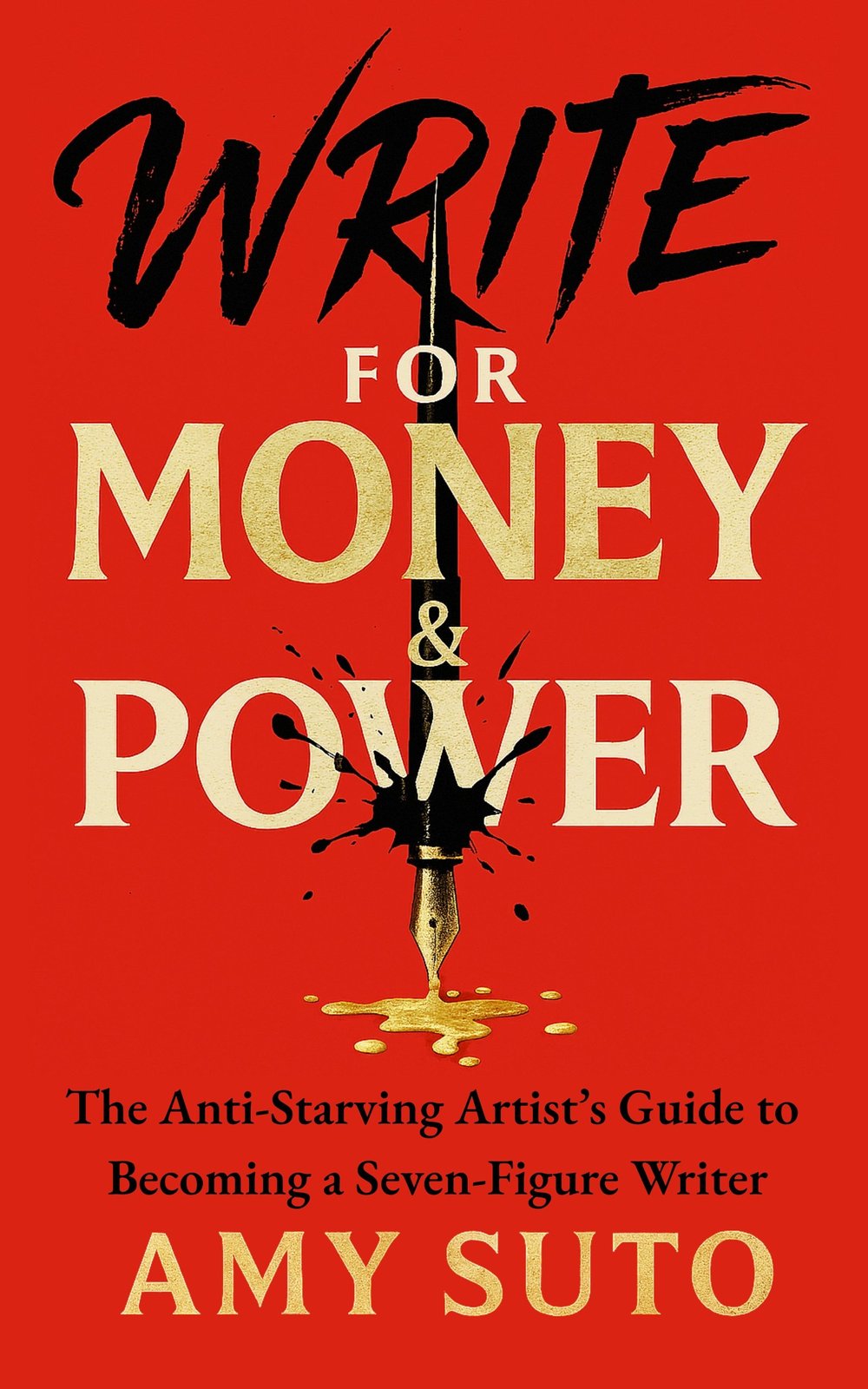
The anti-starving-artist's guide to becoming a seven-figure writer.
MY NEW NOVEL: LET ME BE YOUR GHOST

My romantic thriller arrives November 2026 — a ghostwriter with secrets, a billionaire CEO with more. Preorder one book, get two. Claim your bonus here →
MY ROMANTASY NOVEL: THE ASH TRIALS
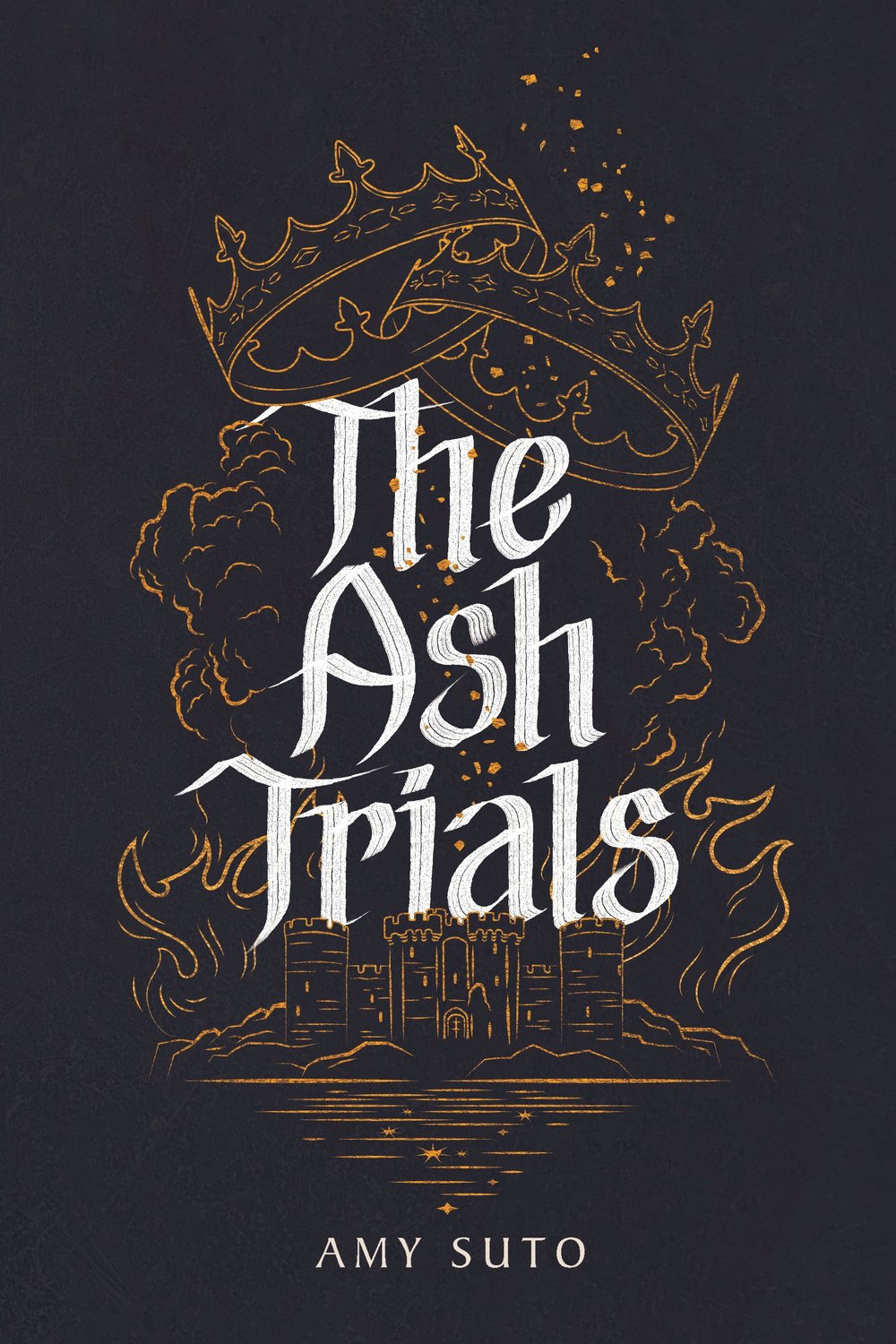
The deadliest game is remembering who you are.
MY DETECTIVE NOVEL: THE NOMAD DETECTIVE
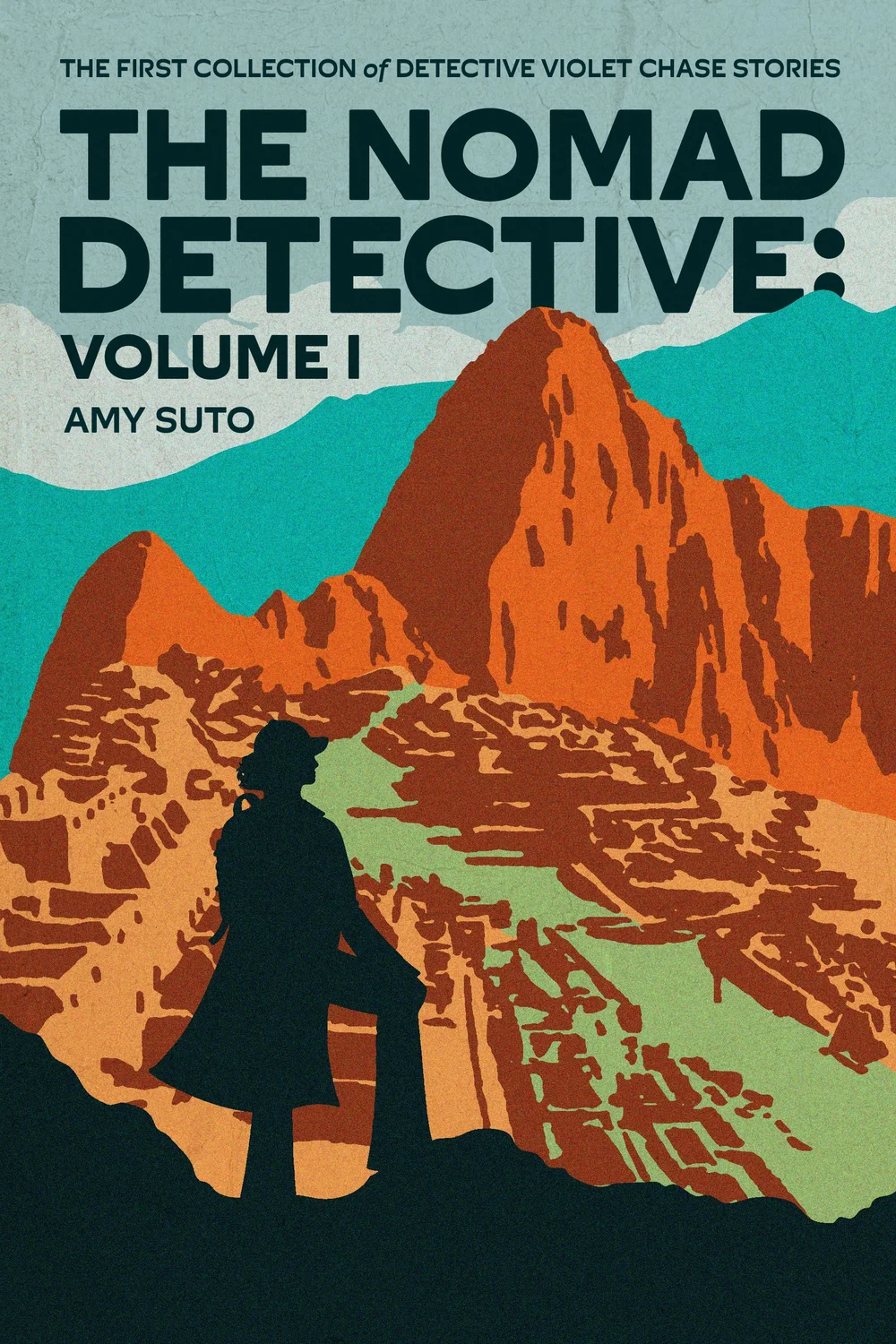
Crime crosses borders, but so does this detective.
MY HOW-TO BOOK: SIX-FIGURE FREELANCE WRITER
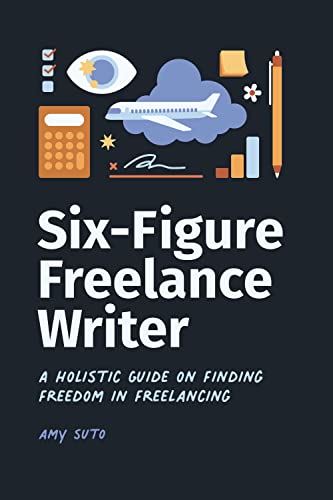
Work smarter, not harder — without the burnout.
RECENT POSTS
JOIN THE WRITING JOB BOARD
FOLLOW ME ON IG @SUTOSCIENCE