You Can See Everything Review: Nathan Fielder’s Holmes Doc
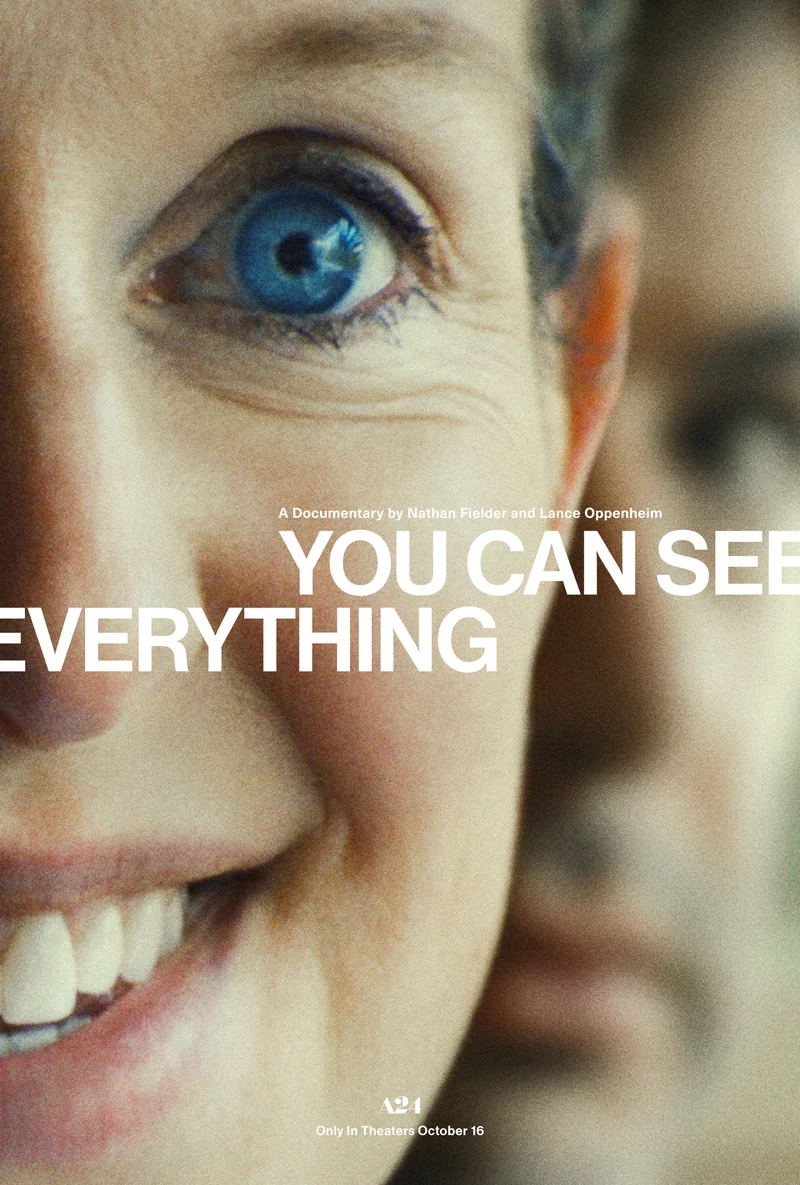
The theatrical poster (A24).
I don’t like cringe comedy. I’ll be the first one to admit that. And yet here I am, about to rave about You Can See Everything, the new Nathan Fielder documentary about Elizabeth Holmes.
I don’t usually review documentaries on this blog, but I might start. And if you don’t know who Nathan Fielder is going in, I think this movie will still be satisfying for you, just not nearly as satisfying as it could be. My recommendation: watch all of Nathan for You, then the first two seasons of The Rehearsal on HBO, and then come to this.
Here’s the setup. In 2023, 34 days before Holmes reported to federal prison for defrauding Theranos investors, she and her partner Billy Evans let Fielder and his co-director Lance Oppenheim into the beach house they were renting in Del Mar, California. A24 released the film in theaters on October 16, 2026, and it runs 174 minutes (pack snacks).
This review comes in two halves. The first half has no spoilers. The second half has all of them, and I’ll warn you before the line.
You Can See Everything is Nathan Fielder and Lance Oppenheim’s documentary about Elizabeth Holmes’s last weeks before prison, and it gets five out of five stars from me. See it in a theater, and if you can, watch Nathan for You and The Rehearsal first.
Let’s dive in.
Why You Should Watch Nathan for You and The Rehearsal First
Back to my cringe comedy problem. I think the thing with Nathan Fielder is that his comedy comes from the fact that the persona he embodies is almost not a persona. It feels like he’s being himself to such an authentic degree that the authenticity is what’s funny.
Almost all of his work circles the same theme: Nathan trying to understand people. On Nathan for You, his old Comedy Central show, he hands real small businesses absurdly elaborate advice. On The Rehearsal, he rehearses life with other people to figure out how to live it better. Everything gets taken to such an extreme degree.
If you can avoid spoilers for The Rehearsal, please do. Season 1 warms you up to the concept. Season 2 is a masterpiece. Nathan is using art to find out how authentic he can be, and to answer the questions he’s personally interested in.
I do think there’s a layer of true performance in there. I’m just not sure that’s all there is. The performance is so consistent, and so good, that it feels like I’m watching someone simply live his life. It’s incredible.
What I Loved About You Can See Everything (No Spoilers)
When I first sat with the title, I thought about the meta narrative every documentary has: what are the people in it experiencing when the cameras are off? That’s partly what’s going on here, and it’s so juicy. Nathan’s work always runs on two tracks, the narrative and then the meta narrative on top of it. This time, you get to see both.
You can see everything.
I’ve always been fascinated with Elizabeth Holmes. I read Bad Blood, John Carreyrou’s book on the rise and fall of Theranos (here’s my Bad Blood review). What hooks me is the whole range of con artists: the people who scam on purpose, the CEOs who may not be fully aware they’re scamming anyone, and the ones who align themselves with scammers because they can’t really read people. Her story is crazy, and the way it unfolds is insane.

Homework, if you want the Theranos backstory before the movie.
Spoiler warning: everything from here down spoils You Can See Everything. If you haven’t seen it yet, bookmark this page and come back after the theater.
You Can See Everything Spoilers: Two Movies in One
Here’s the thing: I think this movie is two movies. The first is a documentary, and that’s the first half. Elizabeth and Billy in the Del Mar house, the countdown to her prison date, Nathan watching and asking questions.
The second movie starts when Amanda Seyfried comes in. Seyfried played Holmes in The Dropout, and Nathan brings her in to reenact the moments his cameras weren’t allowed to film. That’s when the movie starts adding layers to the onion. Amanda becomes the audience’s way into the story. It is wild to watch the actress who played the woman in prison interacting with that woman’s husband, and almost being excited about it, like she’s on a secret mission. And she’s also acting in the reenactments for this same documentary.
Then Amanda starts picking up on something. Nathan might be developing some level of feelings for Elizabeth, and he might be protecting her.
Even that brilliant shot of the two of them in the water plays with it. At first you think it’s Elizabeth and her husband. Then the camera zooms in at the end, and you realize it’s Elizabeth and Nathan. It’s so genius, because every layer of the onion peels back to the same question. Is he protecting her from us, the audience? Amanda seems to think so.
Then comes the drive to the prison. At first it plays like a rescue. Nathan is rushing to get to Elizabeth and tell her what her husband has been doing in her name (the billboards, the posts, the AI version of her), almost like he’s trying to save a damsel. When he gets there, he discovers the opposite. She knows what Billy has been doing, most of it anyway, and she’s fine with it. She’s in love with him. She isn’t under duress, and she isn’t being controlled by him, at least not in any way she hasn’t consented to.
I think that’s pretty insane. You think the story runs one way, and then it surprises you. I have so rarely been surprised by a documentary.
Only complete, single-minded devotion to a subject and a completely authentic portrayal could make something like this. A lesser documentarian would hide any feelings he was developing for his subject. He’d shy away from them, or edit out any hint that he was falling for her or wanted to protect her. Instead, it’s all naked in front of us, kind of like Billy in that full-frontal shot at the very beginning. Everyone in our theater gasped.
Final Thoughts on You Can See Everything
In short, this is so much better seen in a theater. I think it’s a masterpiece. Art is best done unflinchingly, and that’s why this movie is so good.
My final score: 5 out of 5 stars ⭐️⭐️⭐️⭐️⭐️
Do I recommend this movie? 👍 Yes. See it in a theater, ideally after Nathan for You and the first two seasons of The Rehearsal.
One more thing. A storyteller who might be falling for the powerful person at the center of his story is also, more or less, the plot of my novel. Let Me Be Your Ghost is a romantic thriller about Lola Whitman, a memoir ghostwriter who feeds her wealthy clients’ secrets to the FBI and then falls for the billionaire she’s informing on. It comes out November 18, 2026.
👻 Preorder My New Romantic Thriller, Let Me Be Your Ghost
FAQ: You Can See Everything
Do I need to watch Nathan for You before You Can See Everything?
You don’t need to, but it helps a lot. The movie still works if you’ve never heard of Nathan Fielder, it just won’t hit as hard. I’d watch all of Nathan for You and the first two seasons of The Rehearsal first.
Is Amanda Seyfried in You Can See Everything?
Yes. Seyfried, who played Elizabeth Holmes in The Dropout, appears as herself and reenacts the moments the filmmakers couldn’t film, including Nathan Fielder’s prison visit with Holmes. Christopher Abbott plays Billy Evans in those reenactments.
How long is You Can See Everything?
174 minutes, just under three hours. Plan for a long night at the theater.
Where can I watch You Can See Everything?
In theaters. A24 released it in the US and Canada on October 16, 2026, and it opens in the UK and Ireland on November 20, 2026.
Who directed You Can See Everything?
Nathan Fielder and Lance Oppenheim. It’s Fielder’s first feature as a director.
Grab a friend who has seen The Rehearsal, get yourself to a theater, and save the debrief for the drive home.
More Scandal Reading
My Bad Blood review: John Carreyrou’s Theranos exposé, the book version of this saga.
My Scammer review: Caroline Calloway’s self-published memoir. She titled it Scammer herself, after her big book deal fell apart before the book ever showed up.
My Uncanny Valley review: Anna Wiener’s memoir of working inside the San Francisco startup boom.
My Catch and Kill review: Ronan Farrow on the machinery that protected Harvey Weinstein.

Hello! 👋 I’m Amy Suto. I’m a bestselling author, Los Angeles + San Francisco content creator, and co-creator of the job board 🛋️ CozyJobs. Join CozyJobs to browse thousands of jobs and get daily matches to your inbox — writing and creative roles front and center!
GET ON THE LIST
Find your next writing job on 🛋️ COZYJOBS — thousands of jobs on a board updated daily, writing and creative roles front and center. ✨ The application tracker is free (basic CozyApply autofill is too), and paid plans start at $25/month with daily job matches straight to your inbox. Real writers are landing real work—don’t miss out.
FOLLOW ME ON GOOGLE
Add me as a preferred source and Google shows you more of my posts in Top Stories.
MY NEW BOOK: WRITE FOR MONEY & POWER
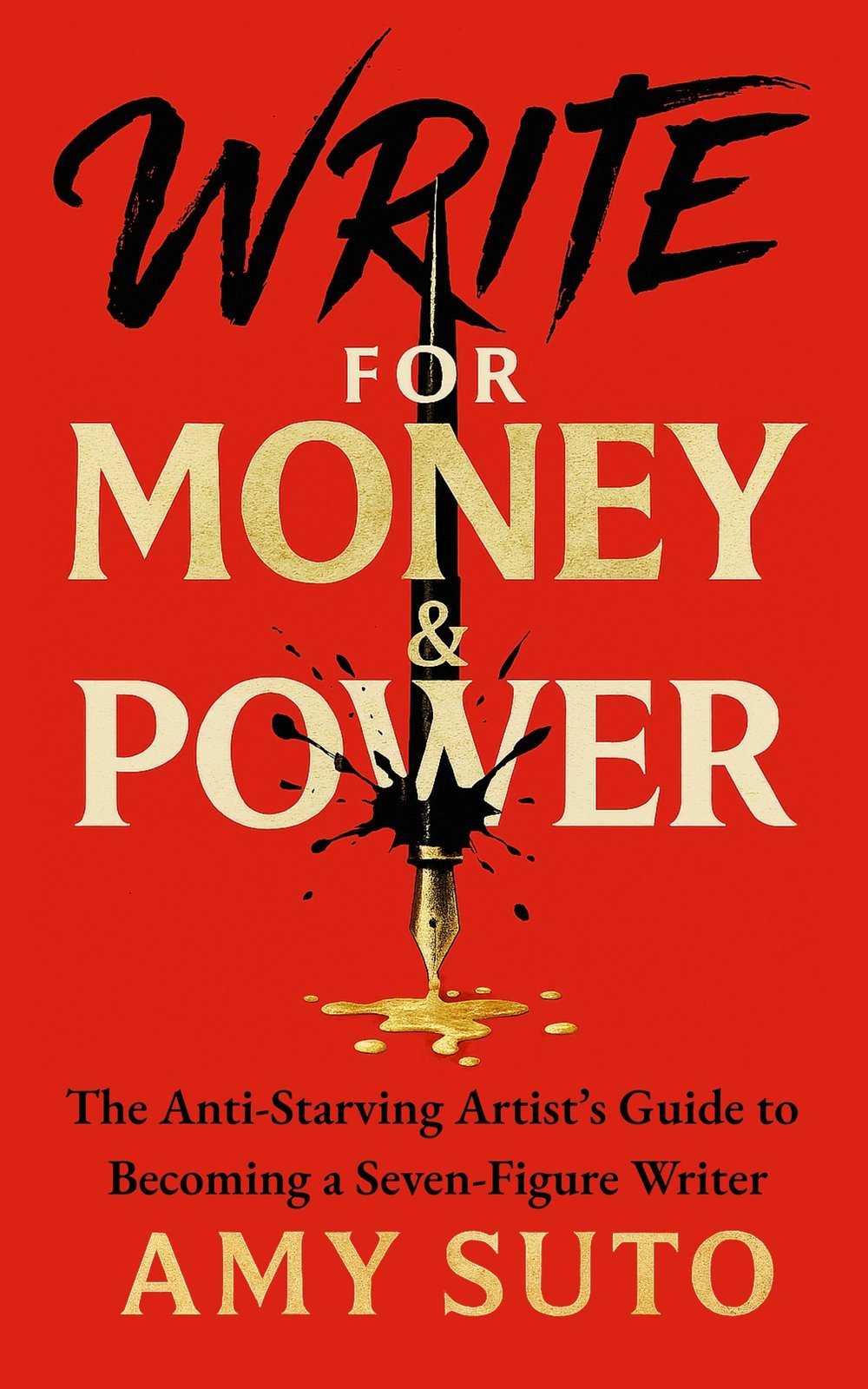
The anti-starving-artist's guide to becoming a seven-figure writer.
MY NEW NOVEL: LET ME BE YOUR GHOST

My romantic thriller arrives November 2026 — a ghostwriter with secrets, a billionaire CEO with more. Preorder one book, get two. Claim your bonus here →
MY ROMANTASY NOVEL: THE ASH TRIALS
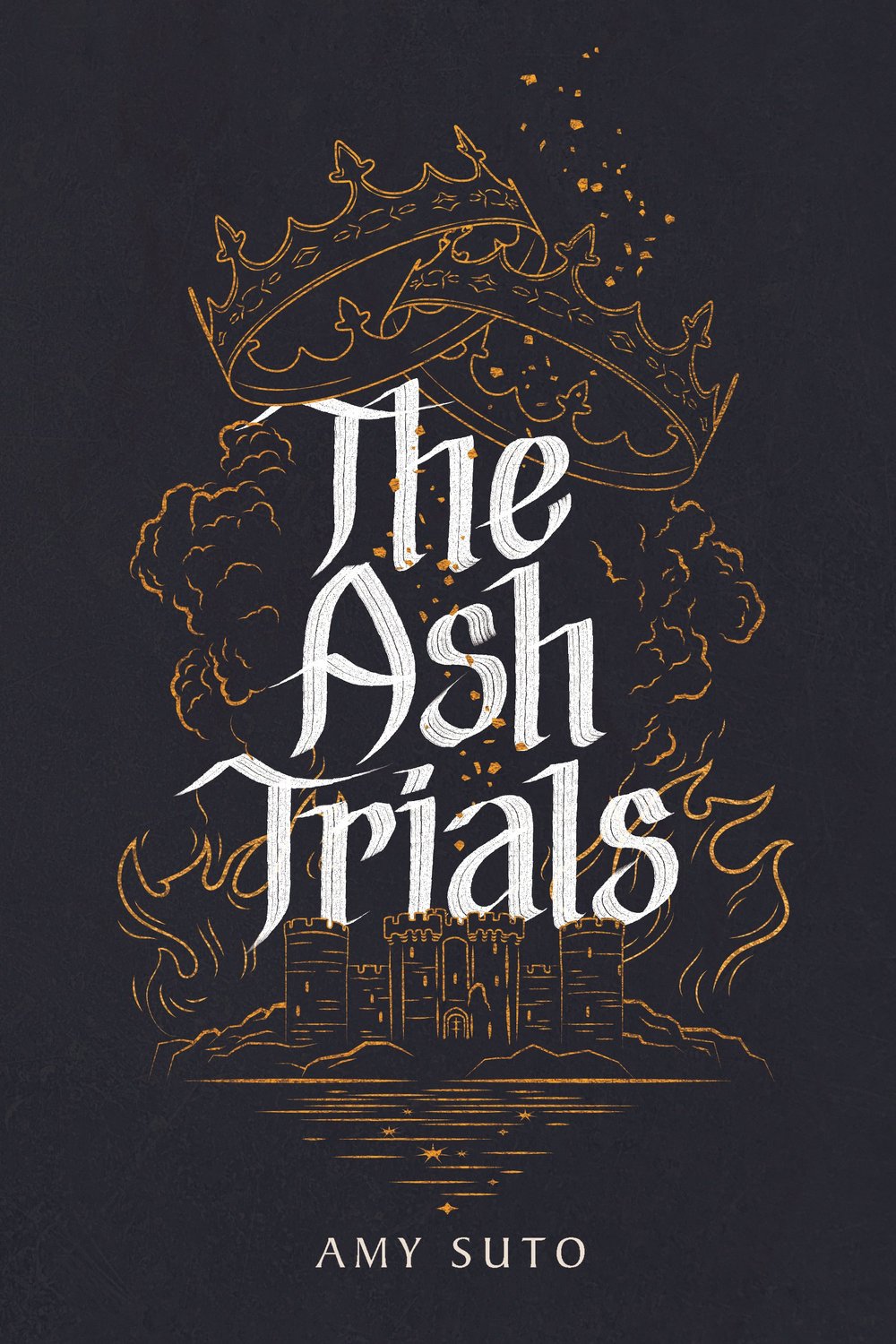
The deadliest game is remembering who you are.
MY DETECTIVE NOVEL: THE NOMAD DETECTIVE

Crime crosses borders, but so does this detective.
MY HOW-TO BOOK: SIX-FIGURE FREELANCE WRITER
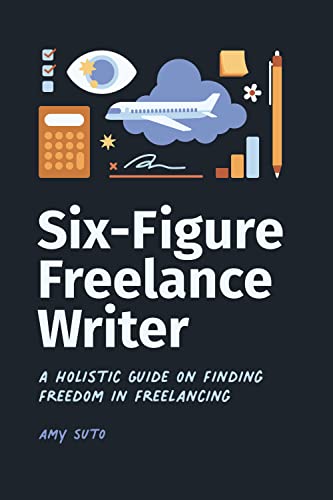
Work smarter, not harder — without the burnout.
RECENT POSTS
JOIN THE WRITING JOB BOARD
FOLLOW ME ON IG @SUTOSCIENCE