INTJ Characters: 20 Fictional INTJs Ranked by a Real INTJ

I have been typing fictional characters since before I knew I was doing it. In a TV writers’ room you spend eight hours a day arguing about what a character would do, and the fastest way to win that argument is to know how their brain is wired. So when I finally took a personality test as a USC student and came up INTJ, the rare, lonely type I wrote about in 2015, my first reaction was not about me. It was: oh, so that is why I always root for the schemer.
INTJ characters are the planners. The ones three moves ahead, allergic to small talk, loyal to about four people, and right often enough that everyone else finds it annoying. Writers love them because a plan is a plot, and a character who thinks in plans hands you your third act for free. That is also why so many of them are villains, which we will get to.
Here are the INTJ characters I would put on the type’s official poster, ranked by how much of the INTJ operating system is actually on the page, from an INTJ who has read or watched every one of them. Typings are fan consensus, not canon (the authors mostly never said), and where the internet is split I say so. If you are here because you just got your own result, my guide to the best careers for INTJs is the practical companion to this one.
The short list: Amy Dunne, Kaz Brekker, Sherlock Holmes, Petyr Baelish, and Gus Fring are the purest INTJs in fiction. Xaden Riorson and Rhysand are the romantasy entries. Bruce Wayne is the one everyone names first.
What Makes a Character an INTJ
The four letters stand for introverted, intuitive, thinking, judging, and in practice they add up to one dominant habit: the INTJ builds a model of how things work, tests it against reality, and acts on the model. On the page that shows up as a handful of tells.
A plan inside the plan. The INTJ character rarely reacts. They already accounted for this.
Competence over charm. They would rather be right than liked, and the story usually makes them pay for it.
A private interior. Other characters read them wrong for most of the book. The audience gets the real version late.
Contempt for inefficiency. Meetings, ceremony, flattery, small talk. Watch what makes them impatient.
Loyalty in small numbers. They do not have a crowd. They have two or three people they would burn a city for.
A character who has all five is on this list. A character who only has the cold stare is probably an ISTP or an ENTJ, and I put a few of those in the wrong-answers section at the end.
1. Amy Dunne (Gone Girl)
The most complete INTJ in modern fiction, and the reason my Gone Girl review is a rare five stars from me. Amy Elliott Dunne plans years ahead, executes alone, revises under pressure, and treats every other person in the book as a variable. Gillian Flynn wrote a character with more agency than any protagonist in the genre, and gave her the type that runs on agency.
The INTJ tell: The diary. An INTJ does not just make a plan, she builds the paper trail that makes the plan look like fate.
Where to meet them: The novel first, then the film, in that order. My books like Gone Girl list has the rest of the schemer shelf.
2. Kaz Brekker (Six of Crows)
Leigh Bardugo’s teenage crime lord is the INTJ as heist architect: a limp, a cane, gloves he never removes, and a plan with so many layers that the crew he is running does not know which job they are actually pulling. He is also the type’s emotional profile in miniature, which is to say he would rather die than say the thing out loud.
The INTJ tell: “Scheming face,” his crew calls it. The plan is always already running.
Where to meet them: Six of Crows, then Crooked Kingdom, which is the better book.
3. Sherlock Holmes (the BBC Sherlock version)
Doyle’s original is a famous typing fight, but the Benedict Cumberbatch version is INTJ all the way down: the mind palace, the deductions delivered as verdicts, the total indifference to being liked, and the single friendship he treats as structural. Watch how he handles a case. He does not gather clues, he tests a model against them.
The typing fight: Book Holmes reads INTP to a lot of readers (the curiosity-first version). Screen Holmes is INTJ (the verdict-first version).
The INTJ tell: He solves the crime before the client finishes the sentence and considers the explanation a courtesy.
Where to meet them: Start with the Doyle stories (the complete collection is cheap), then the series. Fans type the book Holmes INTP as often as INTJ, which I get into in the FAQ.
4. Petyr Baelish (A Song of Ice and Fire / Game of Thrones)
Littlefinger is what happens when an INTJ has no loyalty group at all. Pure strategy, no attachment, a plan so long it outlives most of the cast, and the single most INTJ line in television: chaos is a ladder. He is the cautionary version of the type, the one every INTJ recognizes and would rather not discuss at parties.
The INTJ tell: He engineers the war and then offers to help clean it up.
Where to meet them: A Game of Thrones for the book version, which is subtler than the show.
5. Gus Fring (Breaking Bad)
A drug empire run like a franchise, a fast-food chain as the cover, a public persona so careful it reads as sincere, and the patience to wait years for one act of revenge. Gus is the INTJ as executive: no wasted motion, no visible emotion, and a plan for every person in the room, including the one he is smiling at.
The INTJ tell: He does not raise his voice once in five seasons. He does not need to.
Where to meet them: Breaking Bad, seasons three and four. The spy series I ran on this blog is full of characters who plan like this, and none of them are scarier.
6. Xaden Riorson (Fourth Wing)
The romantasy fandom’s favorite INTJ, and I concede the point. Xaden plans in secret across an entire book, protects his people through a network nobody else can see, and communicates almost entirely through withholding. That is the type, dressed in dragon-rider leathers. My Fourth Wing review explains why the slow burn works, and this is a big part of it.
The INTJ tell: Every reveal in the third act was something he already knew.
Where to meet them: Fourth Wing, then my books like Fourth Wing list when you surface.
7. Rhysand (A Court of Thorns and Roses)
The High Lord of the Night Court plays a villain for an entire book because the plan requires it, and the reveal of what he was actually doing is the reason A Court of Mist and Fury changed the course of my reading life. Long-game strategy, a court of exactly five people he trusts, and a reputation he maintains on purpose as cover. Half the fandom types him ENTJ, and the argument is really about how much he enjoys the performing.
The typing fight: INTJ if you weigh the secrecy and the private inner circle, ENTJ if you weigh the command presence. I lean INTJ because the plan is always solitary.
The INTJ tell: He lets the whole world believe the worst version of him because it is useful.
Where to meet them: The series in order, and only in order. My ACOTAR reading order settles the novella question.
8. Bruce Wayne (Batman)
The character people name first when you say INTJ, and fairly. Bruce Wayne responds to trauma by building a system: training, a cave, a contingency for every ally and every enemy, a public persona engineered as a decoy. The Christopher Nolan version is the purest read, but the trait is consistent across eighty years of comics: preparation as a personality.
The INTJ tell: He has a plan to beat every member of the Justice League, including the ones he likes.
Where to meet them: Batman: Year One if you want the origin in one sitting.
9. Lisbeth Salander (The Girl with the Dragon Tattoo)
A hacker with a photographic memory, near-zero tolerance for people, and a moral code she enforces personally and thoroughly. Lisbeth is the INTJ as outsider: she watches, models, and acts, and she trusts exactly one person by the end of the trilogy. Some readers type her ISTP because of the physicality, but the revenge plots are long-range and planned down to the hour, which is the tell.
The INTJ tell: She spends a month building the case before anyone knows she is in the building.
Where to meet them: The Millennium trilogy, which gets better as it goes.
10. Thomas Shelby (Peaky Blinders)
Cillian Murphy’s gangster is a long-range planner in a short-range business. Every season is one scheme, revealed in the last episode, that he has been running since the first. He is also the type’s loneliness made visible: a family he protects and does not confide in, and a habit of solving every problem alone at 4am.
The INTJ tell: “I have no limitations” is the ENTJ line. “Already taken care of” is the INTJ one, and it is Tommy’s catchphrase.
Where to meet them: Peaky Blinders, series one and two, before it gets baroque.
11. Michael Corleone (The Godfather)
He enters the story as the son who wants out, and leaves it as the most methodical man in the family. Michael’s arc is the INTJ’s worst fear and secret pride at once: watch a quiet observer decide that the only way to protect the people he loves is to out-plan everyone, and then do it, and then be alone. The baptism sequence is a planning document with a soundtrack.
The INTJ tell: He settles all family business in one afternoon, and he scheduled it.
Where to meet them: Mario Puzo’s novel is pulpier than the film and worth it for the interior.
12. Severus Snape (Harry Potter)
A double agent for seventeen years, loyal to one dead woman, hated by the people he is protecting, and never once tempted to explain himself. Snape is the INTJ with the interior fully hidden until the last chapter, and the reason the type gets accused of coldness: the feeling is enormous, and nobody is allowed to see it.
The INTJ tell: He plays the villain in front of children for years because the plan needs a villain.
Where to meet them: Deathly Hallows, the chapter everybody cries at.
13. Hermione Granger (Harry Potter)
The typing fight of the series. Hermione has the INTJ’s preparation and the INTJ’s impatience with people who did not do the reading, but her love of rules and precedent reads ISTJ to a lot of fans. I keep her here because of book seven: she planned the entire year of hiding before anyone else had accepted it was coming, down to the beaded bag.
The typing fight: ISTJ if you weight the rule-following, INTJ if you weight the contingency planning. The beaded bag is my tiebreaker.
The INTJ tell: She packed for a war nobody else believed in yet.
Where to meet them: The series, obviously. Start with book three if you want the Hermione arc at full strength.
14. Yennefer of Vengerberg (The Witcher)
A sorceress who treats every court, coven, and kingdom as a chessboard, who chooses power over comfort every single time, and whose loyalty to two people is the only thing she never negotiates. Yennefer is the INTJ woman done right: ambitious on purpose, intimidating on purpose, and with a private life that would surprise everyone who fears her.
The INTJ tell: She is the one at the mages’ conclave who already knows how the vote will go.
Where to meet them: The Last Wish for the introduction, or the Netflix series for the Anya Chalotra version.
15. Mr. Darcy (Pride and Prejudice)
The original brooding INTJ, two centuries before the type had a name. Darcy is bad at parties, honest to the point of injury, privately generous on a scale nobody finds out about until late, and loyal to a very small circle he protects without being asked. The letter is the most INTJ love letter in literature: a point-by-point rebuttal.
The INTJ tell: He fixes the Lydia situation and tells no one, which is the whole personality.
Where to meet them: Austen, then the 1995 BBC series, then the 2005 film, in that order.
16. Ender Wiggin (Ender’s Game)
A child recruited to think in systems, who wins every game by understanding the rules better than the people who wrote them. Ender is the INTJ as strategist under pressure, and the book’s famous last turn is about what the type costs: he was so good at modeling the enemy that he understood them, which is the one outcome nobody planned for.
The INTJ tell: He wins the unwinnable game by attacking the game.
Where to meet them: Ender’s Game, and then Speaker for the Dead, which is a different book about the same brain.
17. Hannibal Lecter (The Silence of the Lambs)
The INTJ villain everyone else on this list is measured against. Lecter reads people with a precision that feels like violence before any violence happens, plays a years-long game from inside a cell, and has an aesthetic code he will kill to enforce. Thomas Harris built a character whose intelligence is the threat, which is exactly why the type gets cast as villains so often.
The INTJ tell: He solves Clarice’s case for her as a favor, on his own schedule, for his own reasons.
Where to meet them: The novel is better than you remember and the film is exactly as good as you remember.
18. Claire Underwood (House of Cards)
Frank is the ENTJ, all appetite and performance. Claire is the INTJ beside him: composed, long-range, ruthless in private, and running her own plan the entire time he thinks she is running his. The later seasons hand her the story, which is what happens when the planner outlasts the performer.
The INTJ tell: She waits four seasons and then takes the whole thing.
Where to meet them: House of Cards, seasons one through four.
19. Light Yagami (Death Note)
Give an INTJ absolute power and a notebook, and you get Light: a plan for the world, an ego to match, and a chess match against the one person who can keep up. The anime is one long demonstration of the type’s worst-case scenario, which is being right about everything except yourself.
The INTJ tell: Every conversation he has is a trap with a second trap under it.
Where to meet them: The manga or the 2006 anime. Skip the live-action film.
20. Doctor Strange (Marvel)
A surgeon who cannot tolerate being second-best, retrained into a sorcerer who plans across timelines. Strange is the INTJ as expert: arrogant about competence, humbled only by a problem bigger than his model, and at his best when he can see fourteen million outcomes and pick the one that works.
The INTJ tell: He watches every possible future and tells nobody which one they are in.
Where to meet them: Doctor Strange (2016) for the origin, Infinity War for the fourteen million.
Characters the Internet Keeps Calling INTJ (Who Aren’t)
Katniss Everdeen is an ISTP. She is brilliant in the moment and terrible at long-range planning, which is the entire second half of Mockingjay. I love her for it, and my Hunger Games review says why. Gandalf is an INFJ, a planner who leads through people rather than around them. Miranda Priestly and Logan Roy are ENTJs: they want the room, not the plan. Tyrion Lannister is an ENTP who improvises his way out of what an INTJ would have prevented. Great characters, wrong poster.
Why So Many INTJ Characters Are Villains
Because a plan is a plot. A character who thinks three moves ahead gives a writer an engine, and the cheapest way to make that engine scary is to point it at the hero. Villains also get to keep their interior hidden, which is the INTJ’s natural state, while heroes are usually required to explain themselves. The rare INTJ hero (Amy Dunne does not count, and she would agree) tends to be the one whose plan is revealed last, like Xaden or Rhysand, so the reader gets the villain experience and then the reversal.
As a real one: we are not plotting against you. We are plotting, and you happen to be in the room. The version of this that pays a salary is what my INTJ careers guide is about, and the version I wrote at 22, when I mostly found the type isolating, is still on the blog.
🛋️ The Best Jobs for INTJ Minds
You’re curious about what makes an INTJ tick. Now see the roles built for it. CozyJobs matches thousands of live, apply-now jobs to your strengths: strategy, systems thinking, deep autonomous work. No busywork, no meeting marathons, just roles where competence wins.
FAQ: INTJ Characters
Who is the most famous INTJ character?
Bruce Wayne, by name recognition. Sherlock Holmes if you count the screen version. Among book readers right now it is Kaz Brekker or Xaden Riorson, depending on which shelf they are standing in front of.
Are INTJ characters always villains?
No, but the type is over-cast as one because a long-range planner is the easiest engine for a plot. Amy Dunne, Petyr Baelish, Gus Fring, and Hannibal Lecter are villains. Bruce Wayne, Hermione, Xaden, Rhysand, and Ender are not. The difference is almost always who they are loyal to.
Is Sherlock Holmes an INTJ or an INTP?
Both, depending on the version. Doyle’s Holmes is curiosity-first and reads INTP to a lot of fans. The BBC version is verdict-first, delivers deductions as conclusions, and is INTJ. The mind palace is an INTJ device.
Are there any INTJ characters who are women?
Fewer than there should be, which tracks with the type being under one percent of women. Amy Dunne, Lisbeth Salander, Yennefer, Claire Underwood, and Hermione are the strongest cases on this list, and Amy Dunne is the strongest case in fiction, full stop.
What is the rarest personality type?
INFJ is the rarest overall in most surveys. INTJ is the rarest among women, at under one percent, which is part of why I wrote about the type feeling lonely back in 2015. It got less lonely once I found the right work, and the right people, and a shelf of characters like these.
Pick the one you would trust with your plan. Then go read their book.

Hello! 👋 I’m Amy Suto. I’m a bestselling author, San Francisco content creator, and co-creator of the job board 🛋️ CozyJobs. Join CozyJobs to browse thousands of jobs and get daily matches to your inbox — writing and creative roles front and center!
GET ON THE LIST
Find your next writing job on 🛋️ COZYJOBS — thousands of jobs on a board updated daily, writing and creative roles front and center. ✨ The application tracker is free (basic CozyApply autofill is too), and paid plans start at $25/month with daily job matches straight to your inbox. Real writers are landing real work—don’t miss out.
FOLLOW ME ON GOOGLE
Add me as a preferred source and Google shows you more of my posts in Top Stories.

MY NEW BOOK: WRITE FOR MONEY & POWER
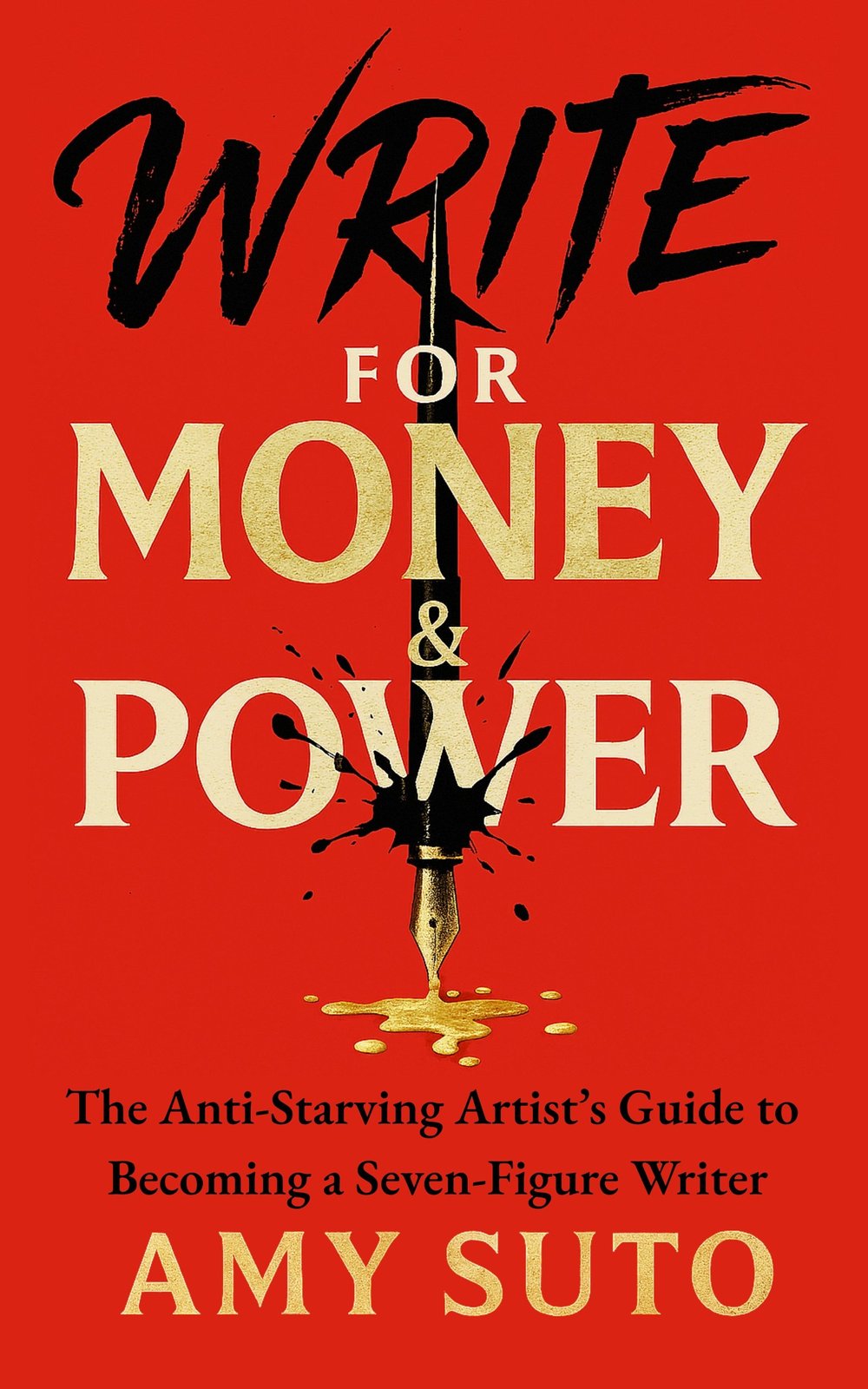
The anti-starving-artist's guide to becoming a seven-figure writer.
MY NEW NOVEL: LET ME BE YOUR GHOST

My romantic thriller arrives November 2026 — a ghostwriter with secrets, a billionaire CEO with more. Preorder one book, get two. Claim your bonus here →
MY ROMANTASY NOVEL: THE ASH TRIALS
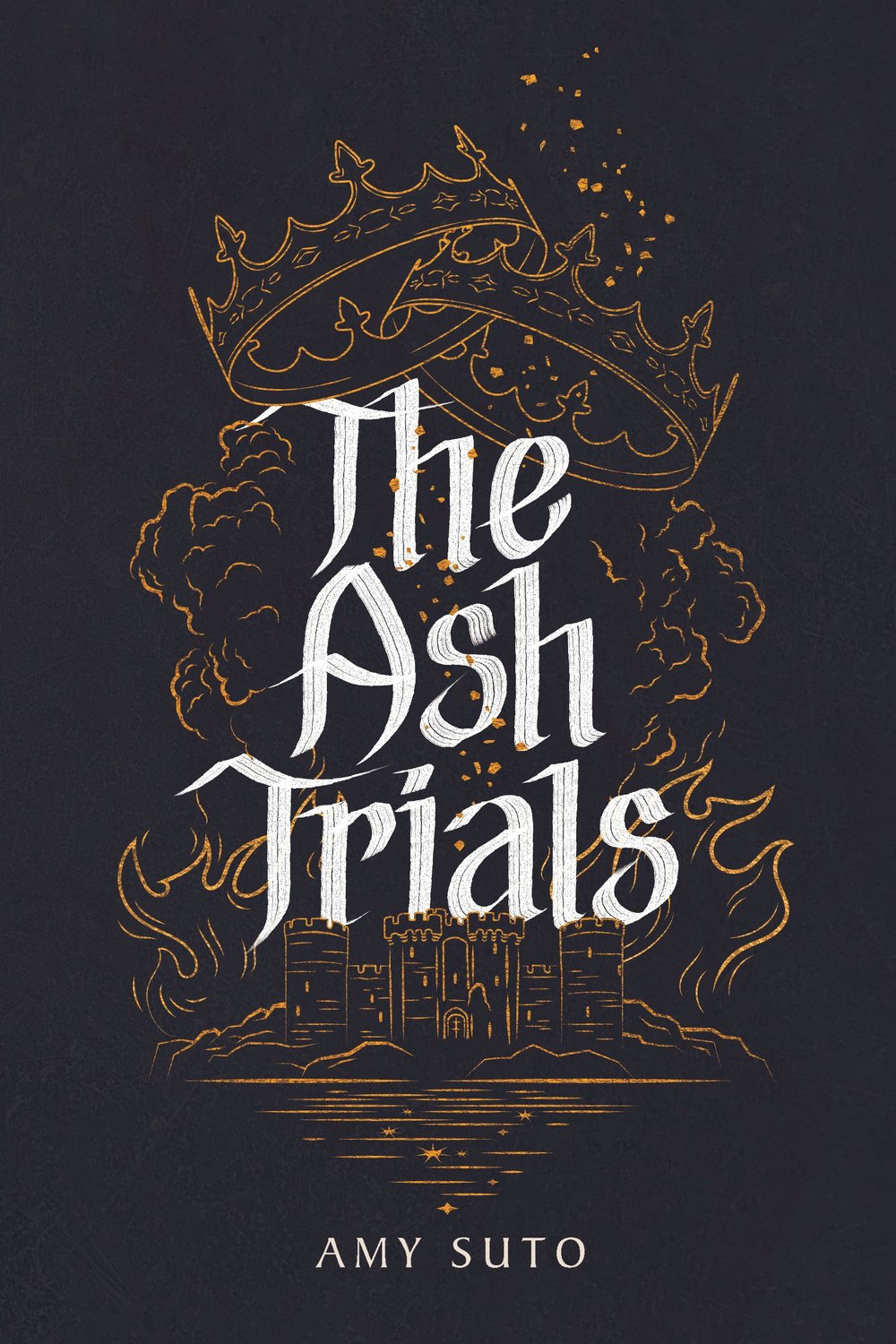
The deadliest game is remembering who you are.
MY DETECTIVE NOVEL: THE NOMAD DETECTIVE
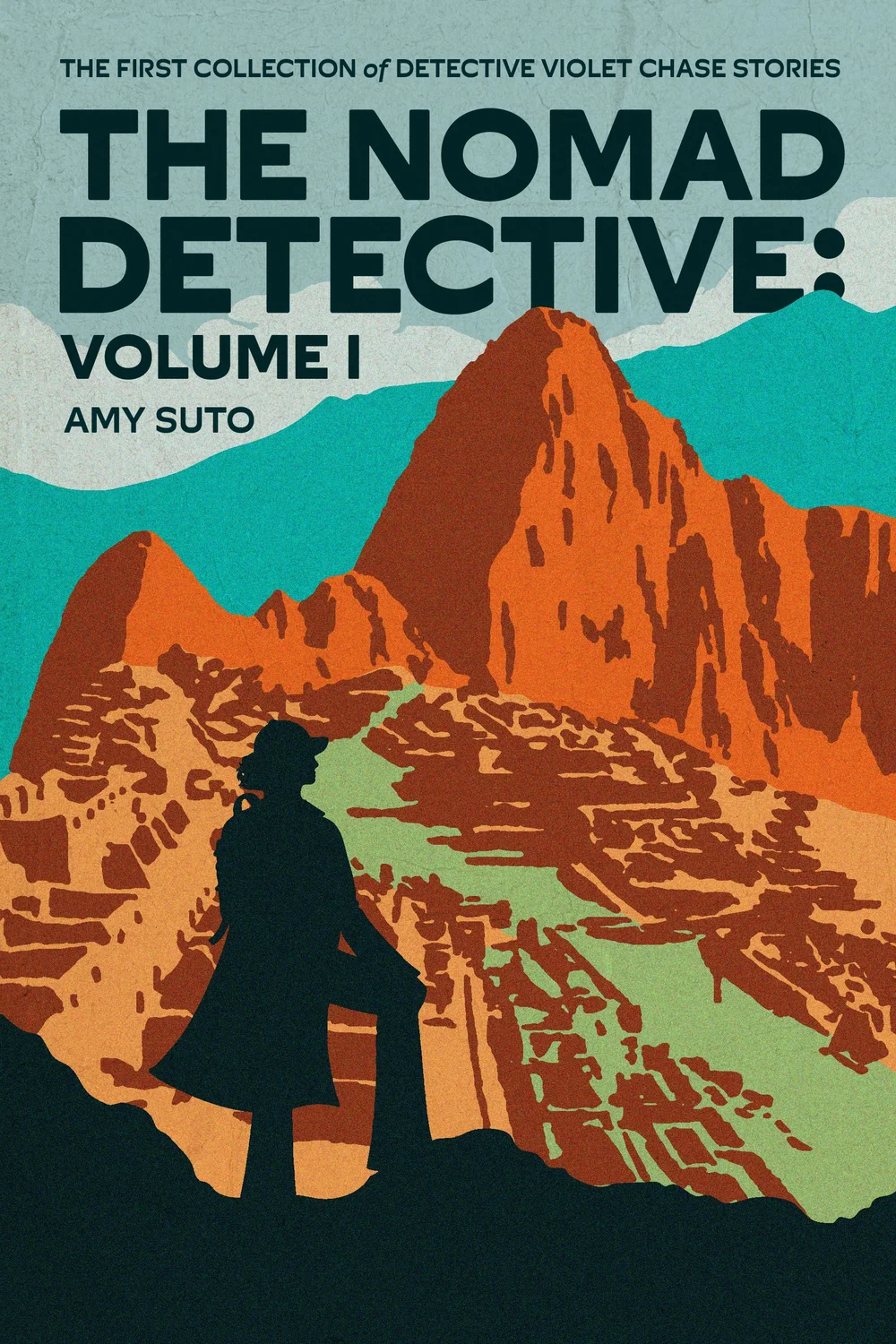
Crime crosses borders, but so does this detective.
MY HOW-TO BOOK: SIX-FIGURE FREELANCE WRITER
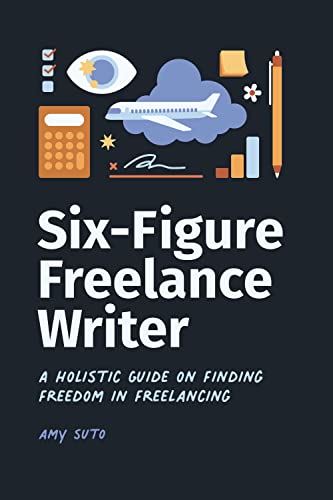
Work smarter, not harder — without the burnout.
RECENT POSTS
JOIN THE WRITING JOB BOARD
FOLLOW ME ON IG @SUTOSCIENCE