NetGalley: How to Get ARCs (From an Author Who Sends Them)

Every time I open ARC applications for one of my books, the same thing happens. A few hundred readers apply, I approve the ones who look reliable, I send the book, and then a chunk of those copies vanish into the void, never read, never reviewed. The readers who do finish, and who post a review on time, get invited to everything I do after that. Publishers work exactly the same way, at a scale of thousands of titles, and the software most of them use for it is NetGalley.
So this is a guide to NetGalley and how to get ARCs, written from the side of the table that sends them. I’m an author, a developmental editor, and a memoir ghostwriter, and I have run beta rounds and ARC campaigns for my own books and for clients (my last nonfiction launch had over 90 beta readers). I know what a request looks like from the publisher’s dashboard, what gets an application approved, and what gets a reader dropped from every future list without anyone telling them.
If you want the broad map of early reading, my guide to how to become an ARC reader or beta reader covers both roles and every platform. This post goes deep on the one platform that matters most, and on the habits that make publishers say yes.
The short version: NetGalley is free for readers, you request digital ARCs from publishers, and approval depends on your profile and your feedback ratio (aim for 80%). Build the ratio with Read Now titles, review on time, and request inside your genre lane.
What NetGalley Is (and What It Isn’t)
NetGalley is a website where publishers and authors list digital advance reader copies, and readers, reviewers, librarians, booksellers, and educators request them. Readers use it for free. Publishers and authors pay to list a title, which is the part most readers never think about, and the part that explains everything else: every copy you request costs someone money and a marketing bet, so they approve the readers most likely to pay it back with a review.
What it isn’t: a free-book vending machine, a place to get physical copies (almost everything is digital), or a platform where a big follower count is required. Plenty of the readers I approve have no platform at all. They have a track record.
How NetGalley Works, Step by Step
1. Make a profile that answers the publisher’s only question
The question is: will this person read the book and tell people about it? Your profile is the answer. Fill in a real bio (two or three sentences about what you read and where you review), pick your genres honestly, and link every place you post reviews: Goodreads, StoryGraph, Amazon, a blog, Bookstagram, BookTok, a library or bookstore if you work at one. Publishers see all of it on the request screen.
2. Understand the three kinds of titles
Request: the publisher reviews your profile and approves or declines. This can take an hour or a month, and some never answer.
Read Now: instant access, no approval. These are how you build a track record from zero.
Wish for It: the publisher hasn’t opened requests yet. Wishing puts you in line, and some titles convert to approvals.
3. Read it on the Shelf app or your Kindle
Approved books go to your NetGalley Shelf, and you can read them in the NetGalley Shelf app or send most of them to a Kindle by adding your Kindle email address to your profile. Files expire on the publisher’s archive date, so the ones with a deadline go first.
4. Review inside NetGalley, then everywhere else
Every title has a feedback form. Submitting it is what counts toward your ratio, and the publisher reads it. Then post the same review where readers actually are: Goodreads and StoryGraph before publication, Amazon on or after release day (Amazon doesn’t take reviews for unreleased books), plus any social platform you listed. Most publishers ask for a short quote and a rating in the form, and a link to where you posted.
The Feedback Ratio, Explained by Someone Who Reads It
Your feedback ratio is the percentage of approved books you have submitted feedback on. NetGalley recommends 80%, and that number shows on your profile every time you request. From the other side of the dashboard, it is the first thing I look at, because it is the only number that predicts behavior. A reader at 90% with three reviews beats a reader at 20% with two hundred followers, every time.
The way it goes wrong is always the same: a new member requests fifteen books in a week, gets approved for six, finishes one, and is now at 16% with five unread deadlines. Request slowly. Two or three at a time, in genres you already finish, until the ratio is a number you would put on a resume.
How to Get Approved on NetGalley More Often
Stay in your lane. A profile that says romantasy and a request history that says romantasy gets approved for romantasy. Random requests in every genre read as a book hoarder.
Use Read Now titles to build the ratio. Ten reviewed Read Now books is a track record. Approvals follow track records.
Review before publication. Early reviews are the entire point of an ARC. A review a month after release is nice for the author and useless for the campaign.
Be honest, and be specific. Publishers want real reviews, and a thoughtful three-star review with a clear audience is worth more to them than an empty five. I would rather know exactly who a book is for.
Give feedback on the books you didn’t finish. The form has an option for it. A DNF with a sentence of why keeps your ratio honest and tells the publisher something useful.
Follow the publisher’s instructions. If they ask for a review link, send one. If they ask you not to quote the ARC, don’t. Auto-approval, where a publisher pre-approves you for their whole catalog, goes to the people who make their lives easy.
Beyond NetGalley: 7 Other Ways to Get ARCs
NetGalley is where the big publishers live, but it is not where all the books are. A serious ARC reader keeps a few of these open too.
Edelweiss+: the other major publisher platform, built for booksellers and librarians, with a bigger catalog and a stricter approval culture. Fill out the profile completely or you will hear nothing.
BookSirens: a curated mix of indie and traditional titles, easier approvals, and a reviewer reliability score that works like the NetGalley ratio.
Booksprout: indie authors post ARCs directly, mostly romance, romantasy, and thrillers. Fast approvals and firm deadlines.
Author ARC teams: most indie authors run their own list through a newsletter or a form, and they are the easiest yes on this page for a reader with a clean track record. Mine is below.
Giveaways on Goodreads and StoryGraph: free to enter, low odds, and occasionally a print copy, which NetGalley almost never offers.
Amazon Vine: invite-only, based on your Amazon review history. You cannot apply, but consistent, helpful Amazon reviews are how people get the invitation.
Bookstagram, BookTok, and Reddit ARC calls: search “ARC readers wanted” in your genre. Authors post sign-up forms constantly, especially in the eight weeks before a launch.
What Authors Actually Look For in an ARC Reader
I can only speak for my own lists and the clients I have run campaigns for, but the pattern is consistent. We approve readers who finish. We re-invite readers who post on time, on more than one platform, and who tell us where the review went. We drop readers who ask for the book and go silent, even when they are lovely people, because the whole model runs on early reviews existing by launch day. Nobody expects a rave. Everybody expects a review.
If you want to start with a real one, I’m taking applications for the early-reader list for Let Me Be Your Ghost, my romantic thriller about a woman sent to bring down a billionaire who falls for him instead. You get the whole novel free, the application takes two minutes, and the ask is exactly what this post describes: read it, review it, tell me where. The beta reader page has the details.
👻 Preorder My New Romantic Thriller, Let Me Be Your Ghost
FAQ: NetGalley and Getting ARCs
Is NetGalley free?
Yes, for readers. Creating a profile, requesting titles, and reading them costs nothing. Publishers and authors pay to list books, which is why they are selective about who gets approved.
Do you need followers to get approved on NetGalley?
No. A completed profile, honest genre preferences, and a feedback ratio near 80% matter more than any follower count. A platform helps at the margins, especially with the biggest publishers, but a reliable reviewer with no audience gets approved constantly.
How long does NetGalley approval take?
Anywhere from minutes to weeks, and some requests are never answered before the title archives. Read Now titles are instant. If a request sits for more than a month, assume it is a no and move on.
Can you get physical ARCs from NetGalley?
Almost never. NetGalley is a digital platform: ePub, PDF, and Kindle delivery through the Shelf app. Print ARCs come from publisher newsletters, giveaways, bookseller and librarian programs, and author street teams.
What happens if you don’t review a NetGalley book?
Your feedback ratio drops, and future requests get declined more often. Submit feedback even for a DNF, with a sentence about why, so the ratio stays honest and the publisher still learns something.
Can authors use NetGalley?
Yes. Self-published authors can list through NetGalley directly or through a co-op that shares a listing, though it is a real expense, so most indie authors run their own ARC teams first. My guide to self-publishing on Amazon covers where reviews fit in a launch.
Build the ratio, review on time, tell people where it went. The books find you after that.

Hello! 👋 I’m Amy Suto. I’m a bestselling author, San Francisco content creator, and co-creator of the job board 🛋️ CozyJobs. Join CozyJobs to browse thousands of jobs and get daily matches to your inbox — writing and creative roles front and center!
GET ON THE LIST
Find your next writing job on 🛋️ COZYJOBS — thousands of jobs on a board updated daily, writing and creative roles front and center. ✨ The application tracker is free (basic CozyApply autofill is too), and paid plans start at $25/month with daily job matches straight to your inbox. Real writers are landing real work—don’t miss out.
FOLLOW ME ON GOOGLE
Add me as a preferred source and Google shows you more of my posts in Top Stories.
MY NEW BOOK: WRITE FOR MONEY & POWER
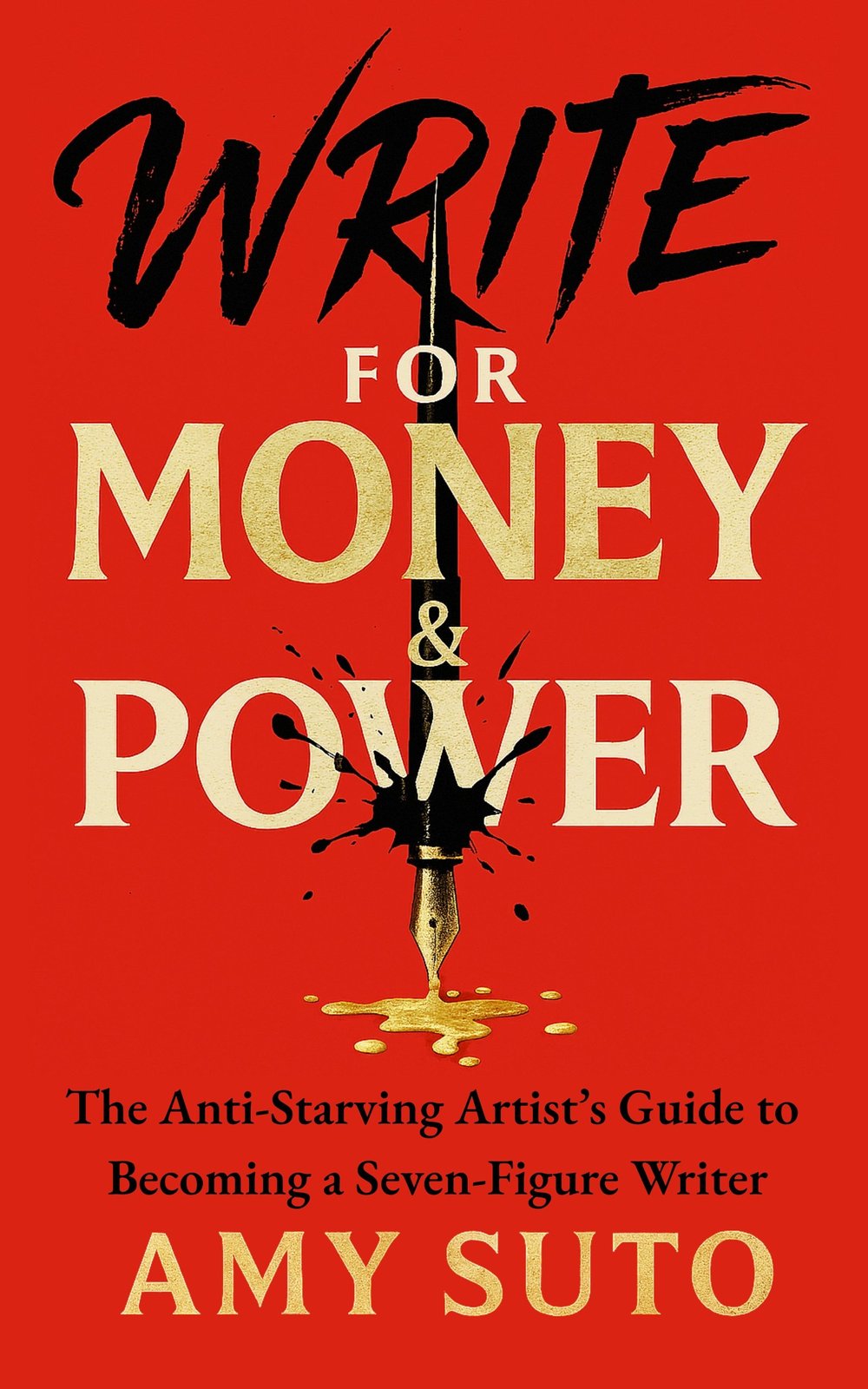
The anti-starving-artist's guide to becoming a seven-figure writer.
MY NEW NOVEL: LET ME BE YOUR GHOST

My romantic thriller arrives November 2026 — a ghostwriter with secrets, a billionaire CEO with more. Preorder one book, get two. Claim your bonus here →
MY ROMANTASY NOVEL: THE ASH TRIALS
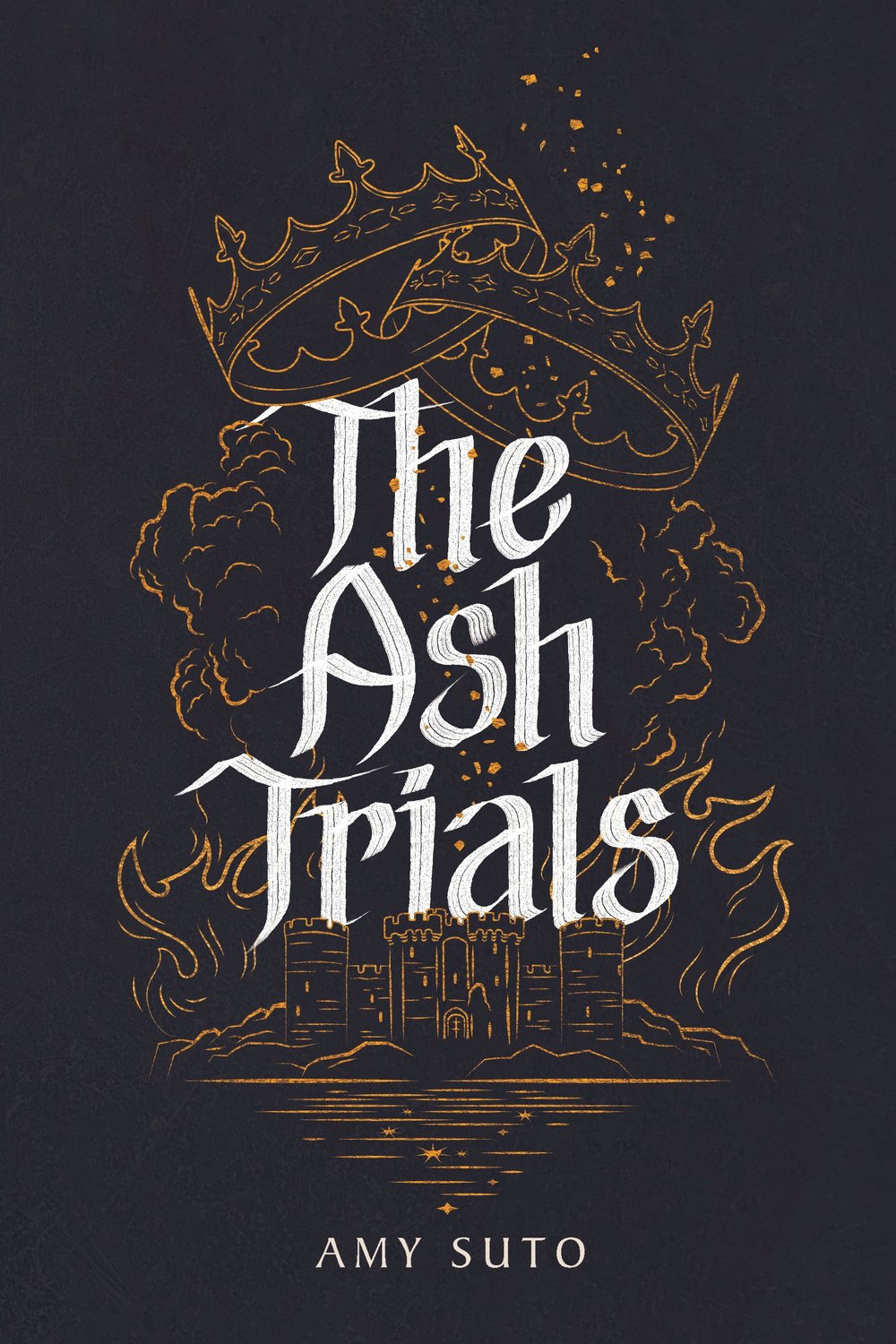
The deadliest game is remembering who you are.
MY DETECTIVE NOVEL: THE NOMAD DETECTIVE

Crime crosses borders, but so does this detective.
MY HOW-TO BOOK: SIX-FIGURE FREELANCE WRITER
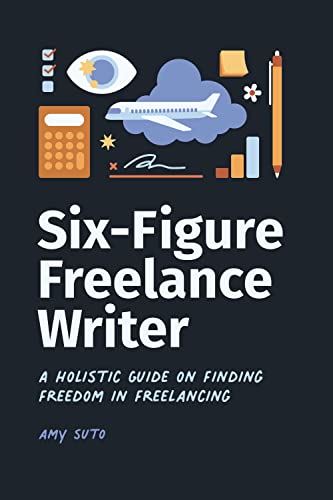
Work smarter, not harder — without the burnout.
RECENT POSTS
JOIN THE WRITING JOB BOARD
FOLLOW ME ON IG @SUTOSCIENCE