
BLOG | MY BOOKS l WORK WITH ME
Amy Suto
Hello! 👋 I’m Amy Suto, a bestselling author and San Francisco content creator. Find your next job on my job board, 🛋️ CozyJobs!
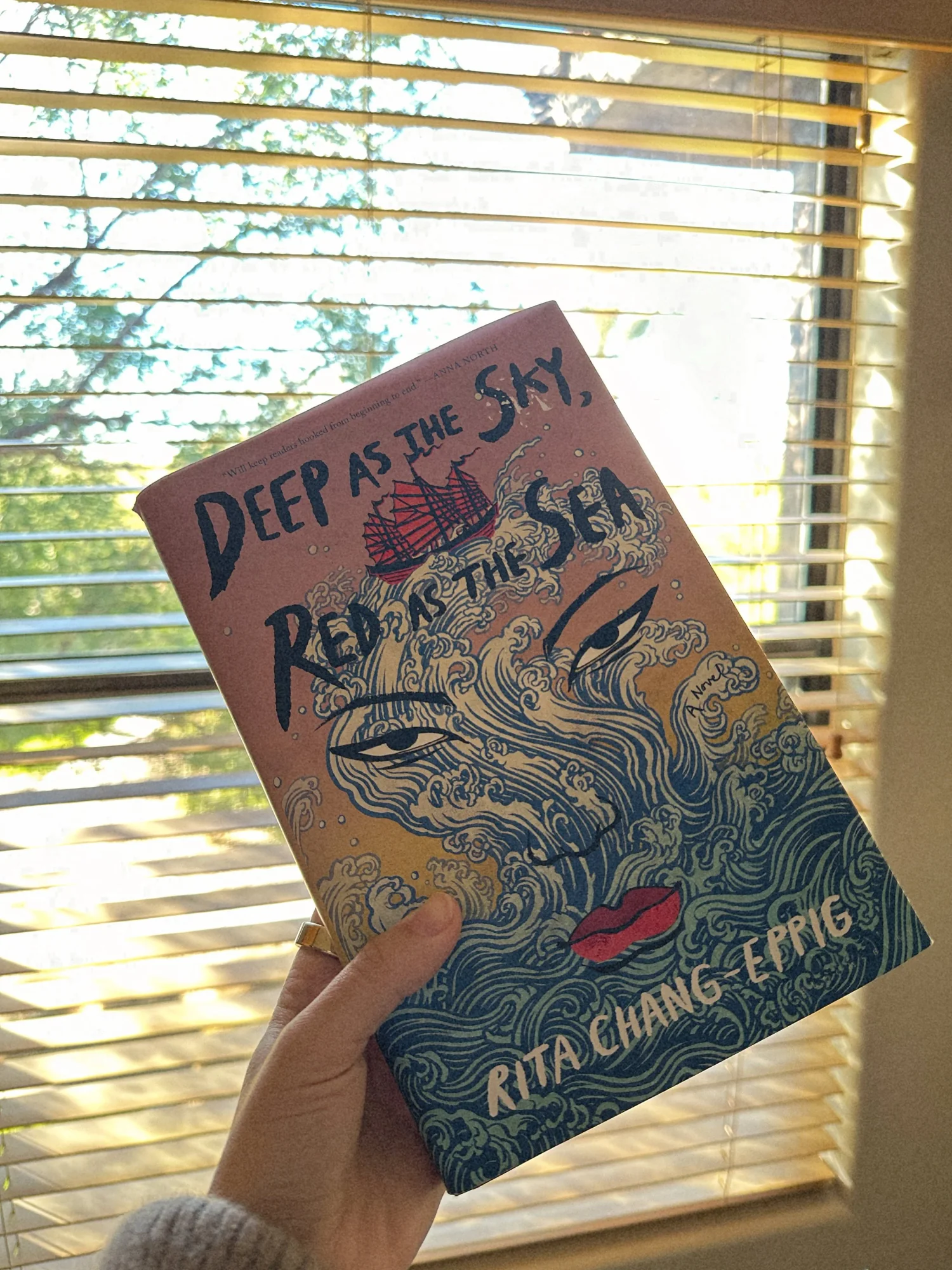
Book Review: Deep as the Sky, Red as the Sea
My book review of the pirate queen novel, Deep as the Sky, Red as the Sea by Rita Chang-Eppig.
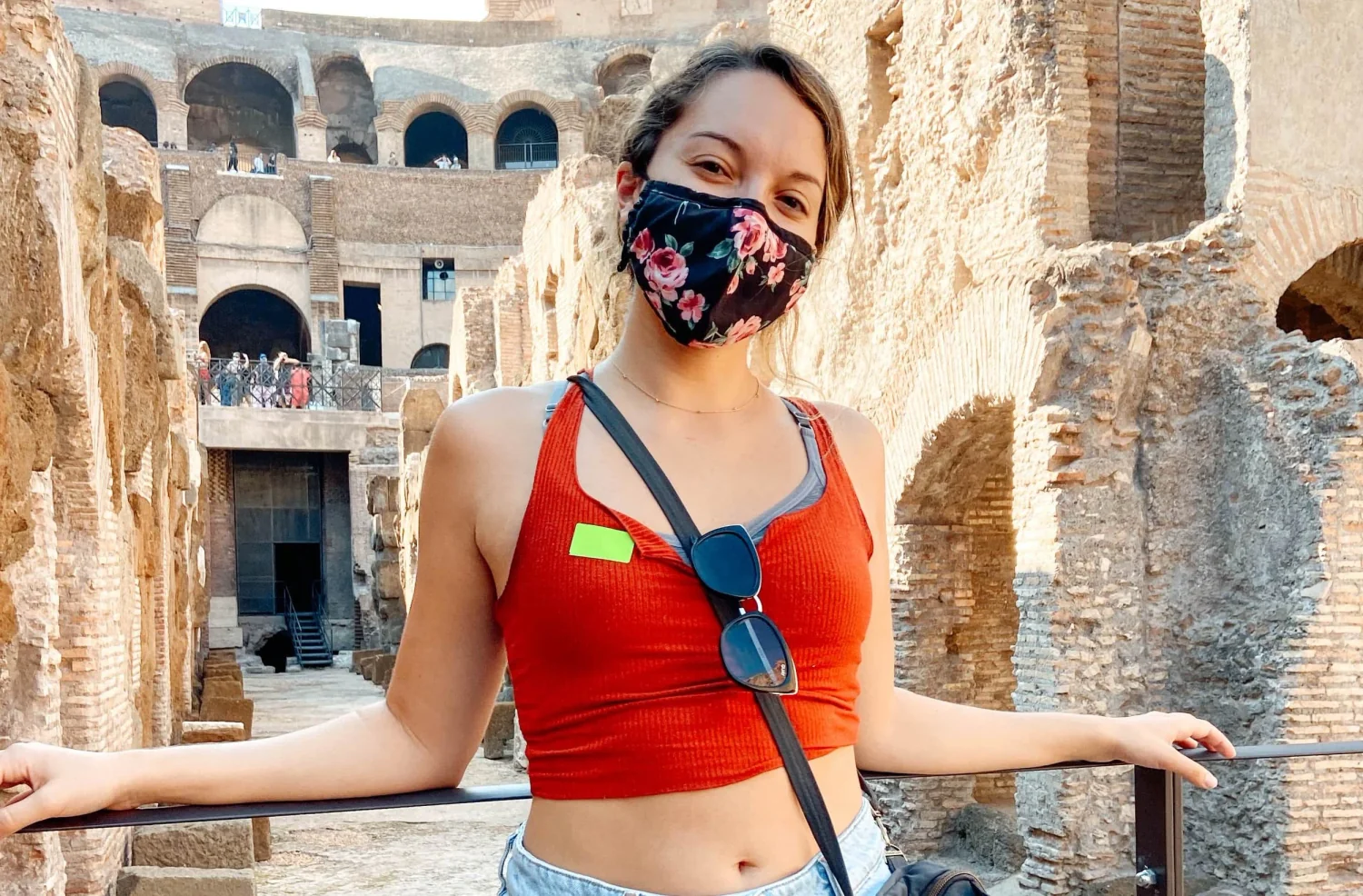
My Digital Nomad Story
My digital nomad story: how I became a full-time traveler, along with my tips on how to make this lifestyle sustainable.

Working Remotely in Buenos Aires, Argentina
Read my guide for working remotely and traveling in Buenos Aires, Argentina for digital nomads! Learn where to stay, what to do, and where to eat in the city.
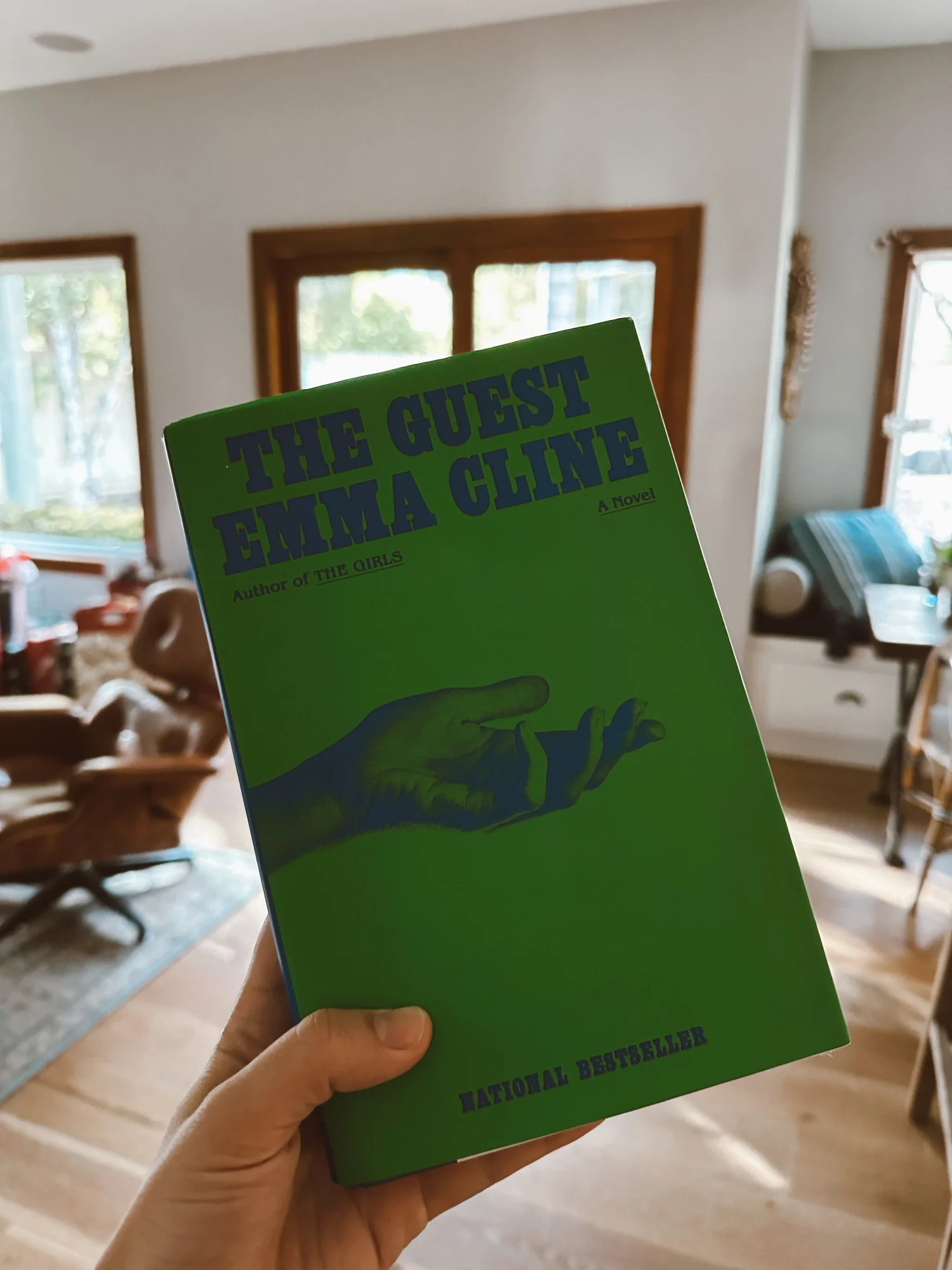
Book Review: The Guest by Emma Cline Thriller Novel
What’s going on with women’s fiction? Read my review of The Guest by Emma Cline to hear about how passive protagonists are ruining the thriller genre.
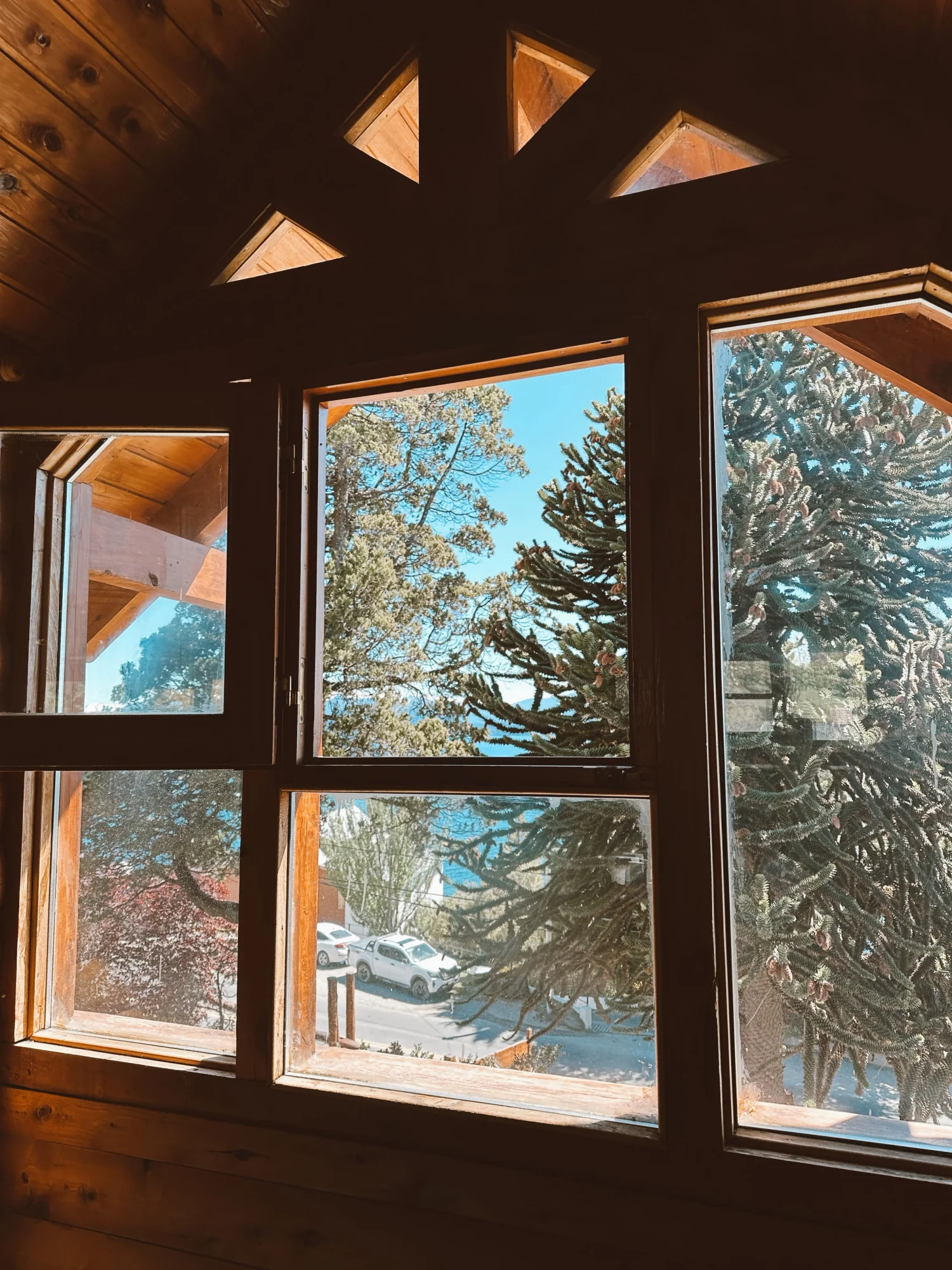
Working Remotely in Bariloche, Argentina (Patagonia)
Want to learn how to work remotely in Bariloche, Argentina as a digital nomad? Read my travel guide with tips on where to stay, what to eat, and what to do in Bariloche, Argentina, Patagonia as a remote worker!

Working Remotely in Santa Teresa, Costa Rica
Are you a digital nomad wanting to work remotely in Santa Teresa, Costa Rica? Read my full guide on what to eat, where to say, and what to do here!
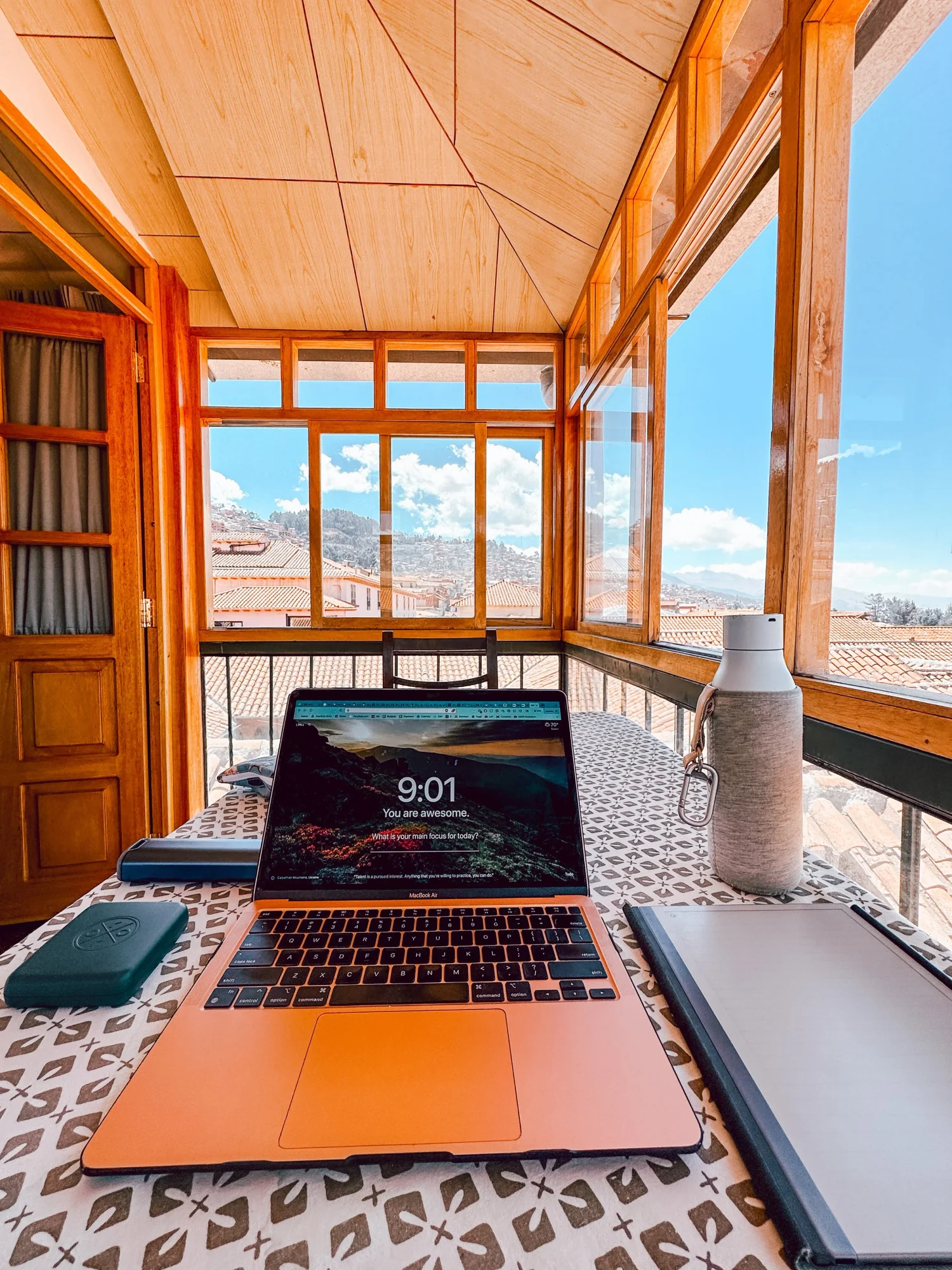
Working Remotely in Cusco, Peru
Working remotely in Cusco, Peru? Here are my top recommendations for what to eat, what to do, and where to stay in Cusco for digital nomads and remote workers! Plus: how to deal with the altitude and my travel company recommendations for the Inca Trail trek and Machu Picchu.

3 Mistakes to Avoid When Self-Publishing Your Book on Amazon KDP
Most authors make these 3 mistakes when self-publishing their book on Amazon KDP. I’ll help you avoid them!

3 Steps: How to Write a Book Outline for Your Memoir or Nonfiction Book
Want to write a great memoir or nonfiction book? Everything starts with a great outline! Here are the 3 steps you need to follow to outline your book effectively, and why an outline is a critical part of your book writing process.
![My Favorite AI Tool: Text-to-Audio in YOUR Voice [Wondercraft AI Review]](/imgs/sq/9bacf8ee-wondercraft-ai-review.webp?format=750w)
My Favorite AI Tool: Text-to-Audio in YOUR Voice [Wondercraft AI Review]
Want to know about my FAVORITE AI tool for text-to-audio in YOUR voice? Read my review of Wondercraft AI and get 50% off your subscription. This tool is invaluable for podcasters, writers, and audiobook creators!

4 Lessons From Eat, Pray, Love: Best Travel Memoir Example
Looking for a great example of a travel memoir? Read my post on 4 lessons we can learn from Eat, Pray, Love by Elizabeth Gilbert! I include passages and examples from the book to help you learn how to write a travel memoir, along with resources on hiring a memoir ghostwriter for your book.

Working Remotely in Athens, Greece
Are you a digital nomad looking to work remotely in Athens, Greece? Get my ultimate travel guide and find out where to stay, what to do, what to eat, and how to work remotely in Athens, Greece!

Working Remotely in Valencia, Spain
Looking to work remotely as a digital nomad from Valencia, Spain? Here’s my travel guide with tips about where to stay, what to eat, and what to do in Valencia, Spain for freelancers and digital nomads!

What is a Memoir Ghostwriter and What Do They Do?
What is a memoir/autobiography ghostwriter and what do they do? How do you work with a memoir writer, and what should you know about writers for hire? I spill my secrets and share more about my work as a memoir writer!

My 5 Favorite Memoirs as a Memoir Ghostwriter
Here are my top 5 favorite memoirs as a memoir ghostwriter! From travel memoirs to how-to memoirs, these autobiographies deserve a spot on your nightstand. Learn more about why I love EAT PRAY LOVE, Prince Harry's SPARE, and these other must-read autobiographies!

New Interview: The Future of AI and Content Marketing
In this video interview, I share my thoughts on the future of AI as it relates to content marketing and writing as part of Nectafy’s roundtable.

Self-Publishing vs. Traditional Publishing: Why I Prefer Self-Publishing
When publishing your book, should you go the traditional publishing route, or consider self-publishing — otherwise known as independent publishing or hybrid publishing? In this article I break down why I chose self-publishing for my own books, and what your options are as an author.

New Podcast Guest Appearance: Breakthrough Success
I was recently featured on the Breakthrough Success Podcast! Here’s a bit of a breakdown of the episode and what I discussed with host Marc Guberti about freelance writing and building a career in this space.

When and How to Hire a Developmental Editor
Looking to hire a developmental editor or book editor for your project? Learn about my services as well as how much a developmental editor costs, why and when you should hire a freelance book editor, and more!
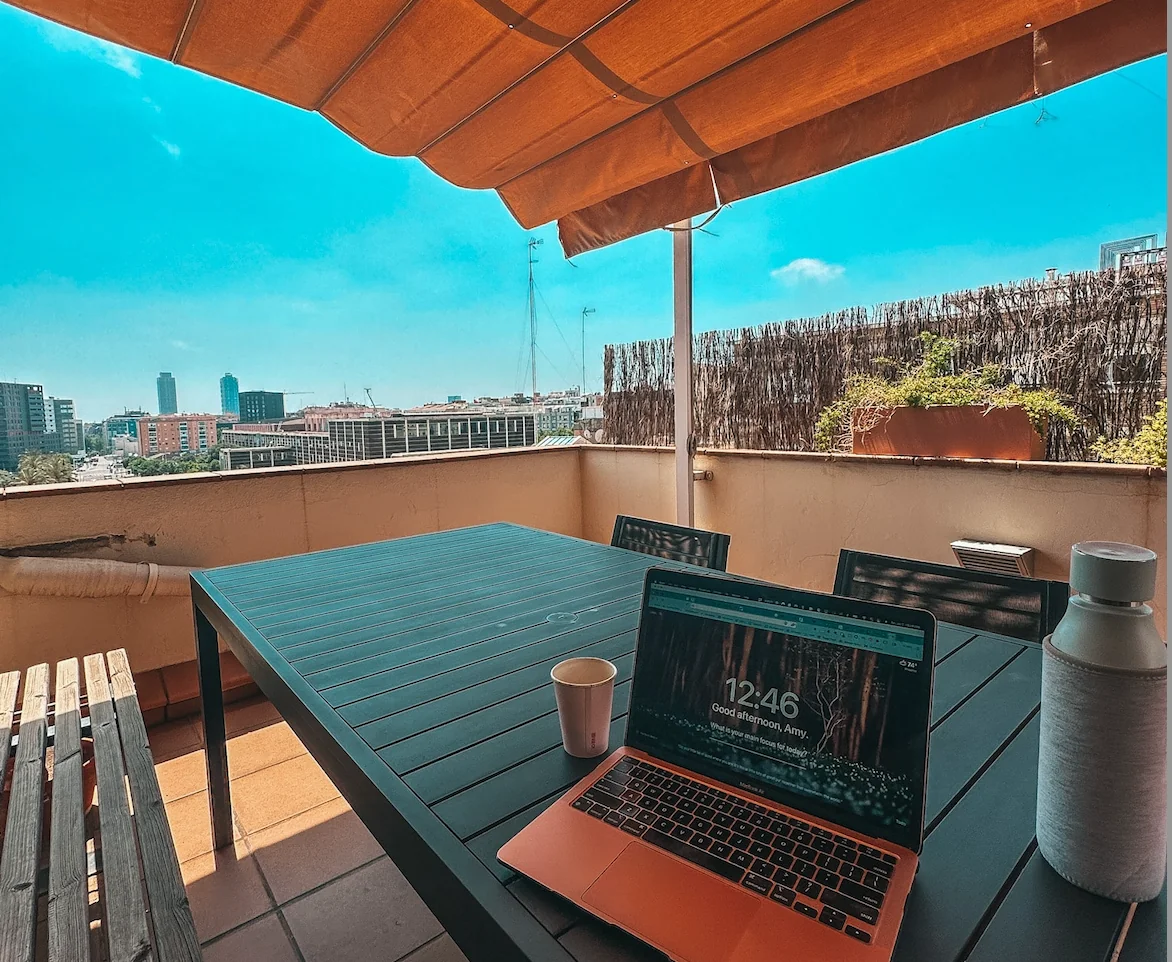
Working Remotely in Barcelona, Spain
Looking for travel tips for Barcelona, Spain as a digital nomad or remote worker? I’ve got the best recommendations for where to stay, what to eat, and what to do in Barcelona as a traveler and freelance writer!
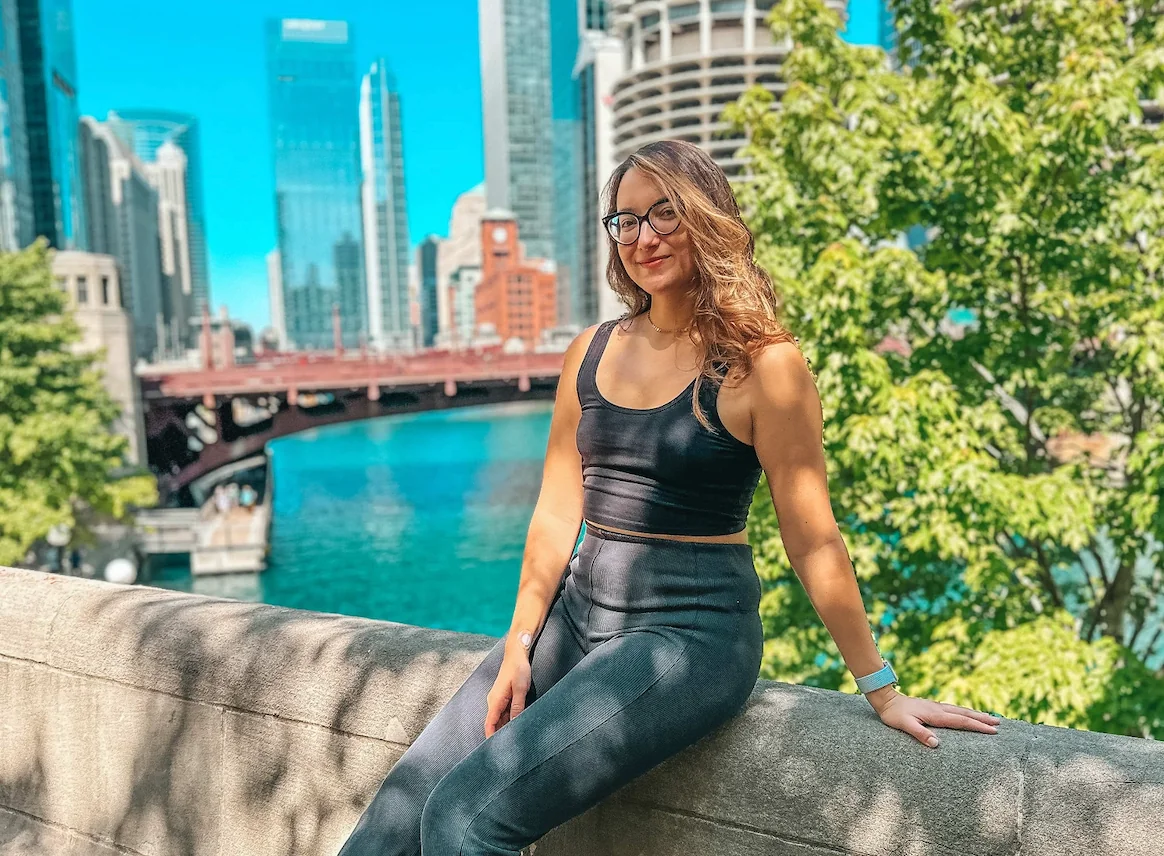
Working Remotely in Chicago, Illinois
Are you a digital nomad or remote worker looking for the best travel tips for Chicago, Illinois? Check out my travel itinerary, tips, and recommendations for what to do and where to stay for digital nomads and travelers!
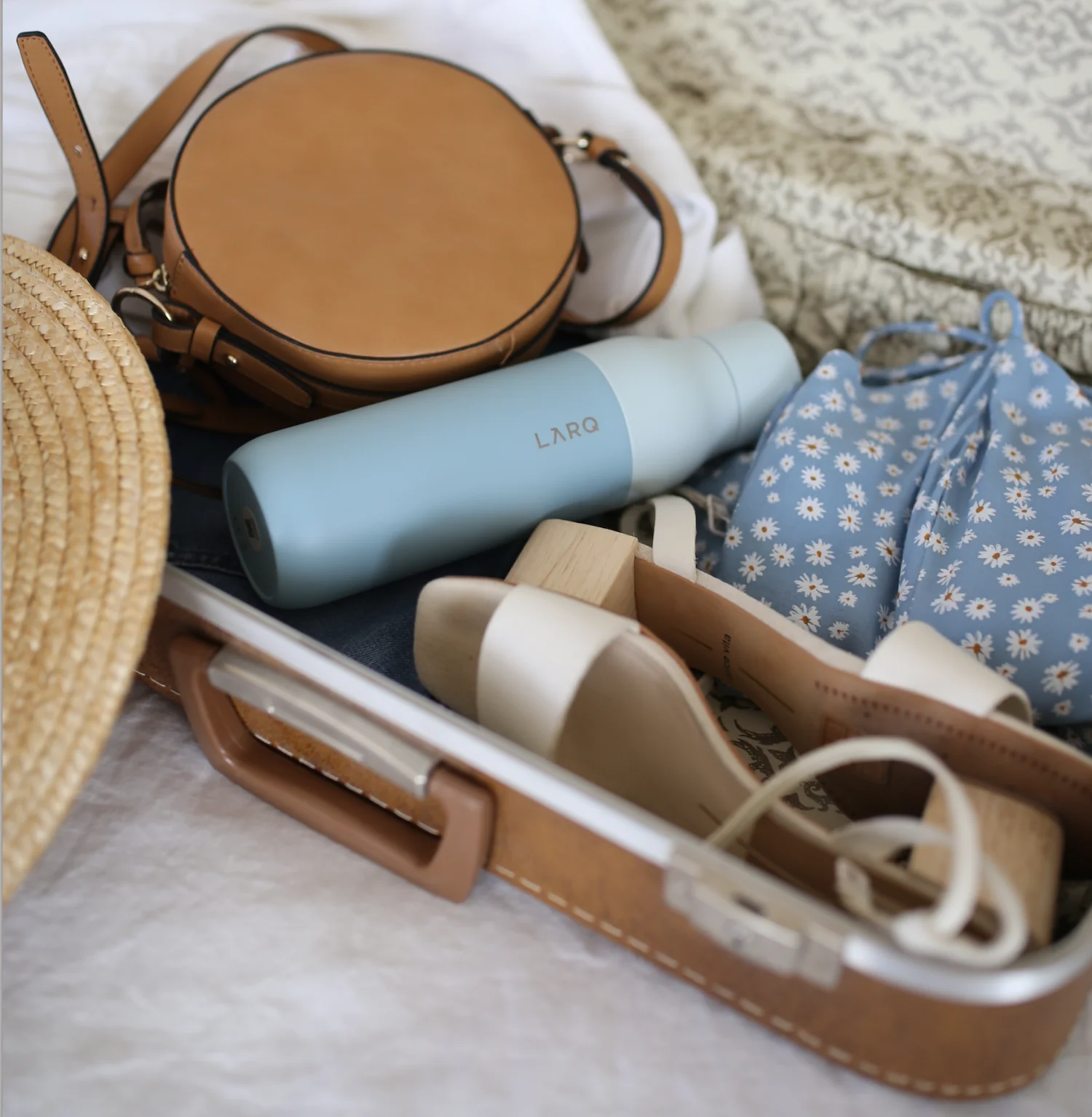
Digital Nomad Packing List: Carry-On Edition
Wondering what to pack in your carry-on luggage as a digital nomad? Here’s my ultimate packing list with my favorite travel gadgets and packing hacks for digital nomads, remote workers, and other travelers!

6 Reasons Why Entrepreneurs Should Write a Book
Are you an entrepreneur considering writing a book? Here are 6 reasons why you should write that memoir or nonfiction book if you want to grow your business, generate passive income, and leave your legacy!

Day in the Life of a Memoir Ghostwriter
Spend a day with me! This post is about what it’s like to spend a day as a freelance memoir ghostwriter working on several books for clients while traveling and working remotely as a digital nomad.
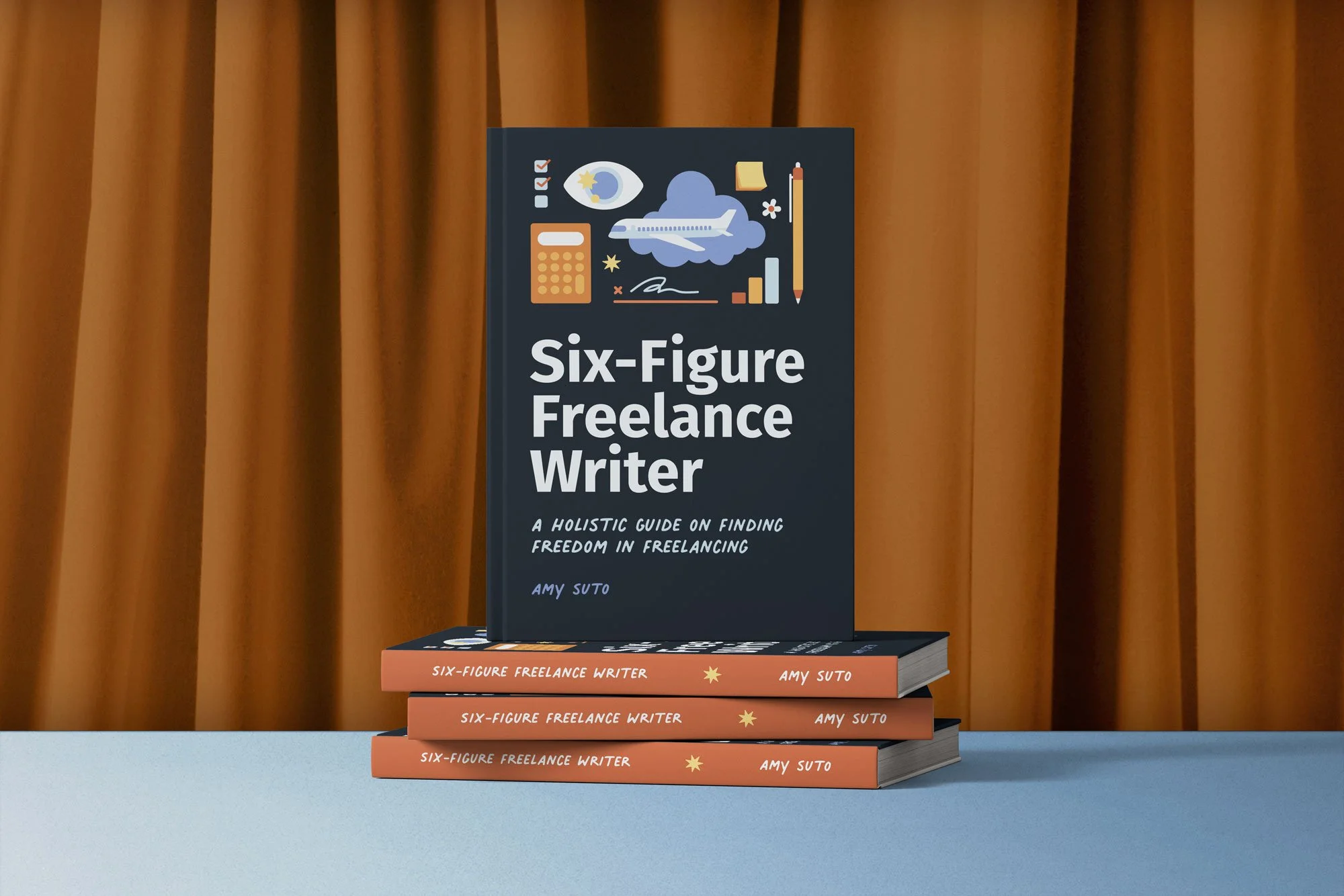
How to Self-Publish a Book on Amazon: The Ultimate Guide
Want to learn how to self-publish your book on Amazon? Here’s my ultimate guide to help you make the most of publishing on Amazon and Kindle Direct Publishing!

5 Ways to Recession-Proof Your Freelance Writing Business
Want to have a recession-proof freelance writing business? Here are my top 5 tips to become a need-to-have freelancer for the businesses you work for, and stay as booked and busy as you desire!

Grow Your Influence by Hiring a LinkedIn Ghostwriter
Want to grow your audience on LinkedIn? Here are my tips for what to think about, and how to hire help from a LinkedIn ghostwriter!
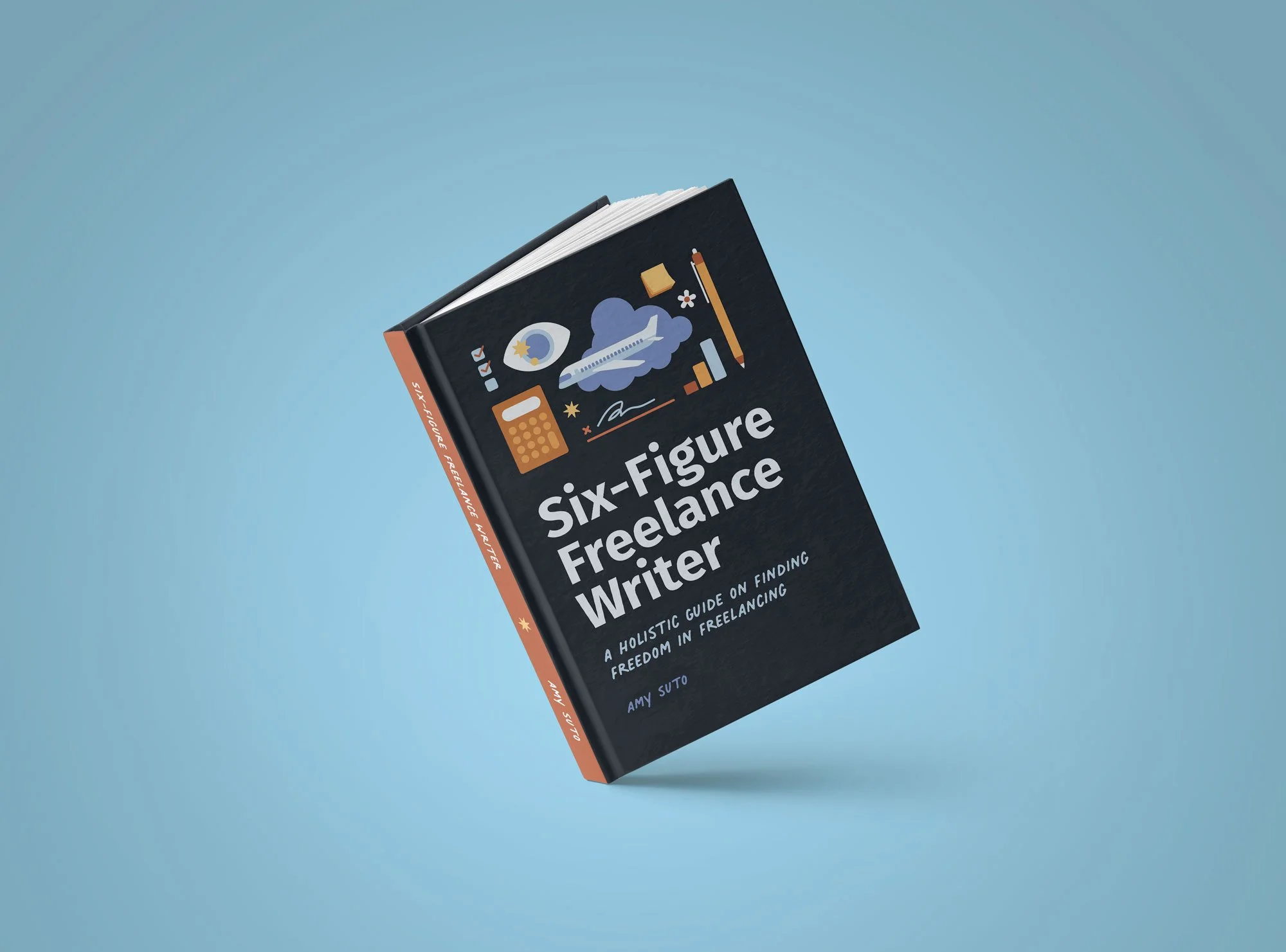
How to Make Money Online as a Six-Figure Freelance Writer (My New Book!)
Want to make money online as a six-figure freelance writer — without working crazy hours? In this post I share my new book on how to do just that, and strategies to rethink your career as a freelance writer!

SEO Witchcraft: Get Your Blog on the First Page of Google in 5 Steps
Want to learn how to get your blog ranked on the first page of Google and make good with the SEO gods? Check out my top tips!

Best Books About How to Write Your Memoir
Looking for some guidance on how to write a memoir? Here are my favorite books about the craft of memoir writing as a freelance memoir ghostwriter!

Hello! 👋 I’m Amy Suto. I’m a bestselling author, San Francisco content creator, and co-creator of the job board 🛋️ CozyJobs. Join CozyJobs to browse thousands of jobs and get daily matches to your inbox — writing and creative roles front and center!
GET ON THE LIST
Find your next writing job on 🛋️ COZYJOBS — thousands of jobs on a board updated daily, writing and creative roles front and center. ✨ The application tracker is free (basic CozyApply autofill is too), and paid plans start at $25/month with daily job matches straight to your inbox. Real writers are landing real work—don’t miss out.
FOLLOW ME ON GOOGLE
Add me as a preferred source and Google shows you more of my posts in Top Stories.
MY NEW BOOK: WRITE FOR MONEY & POWER
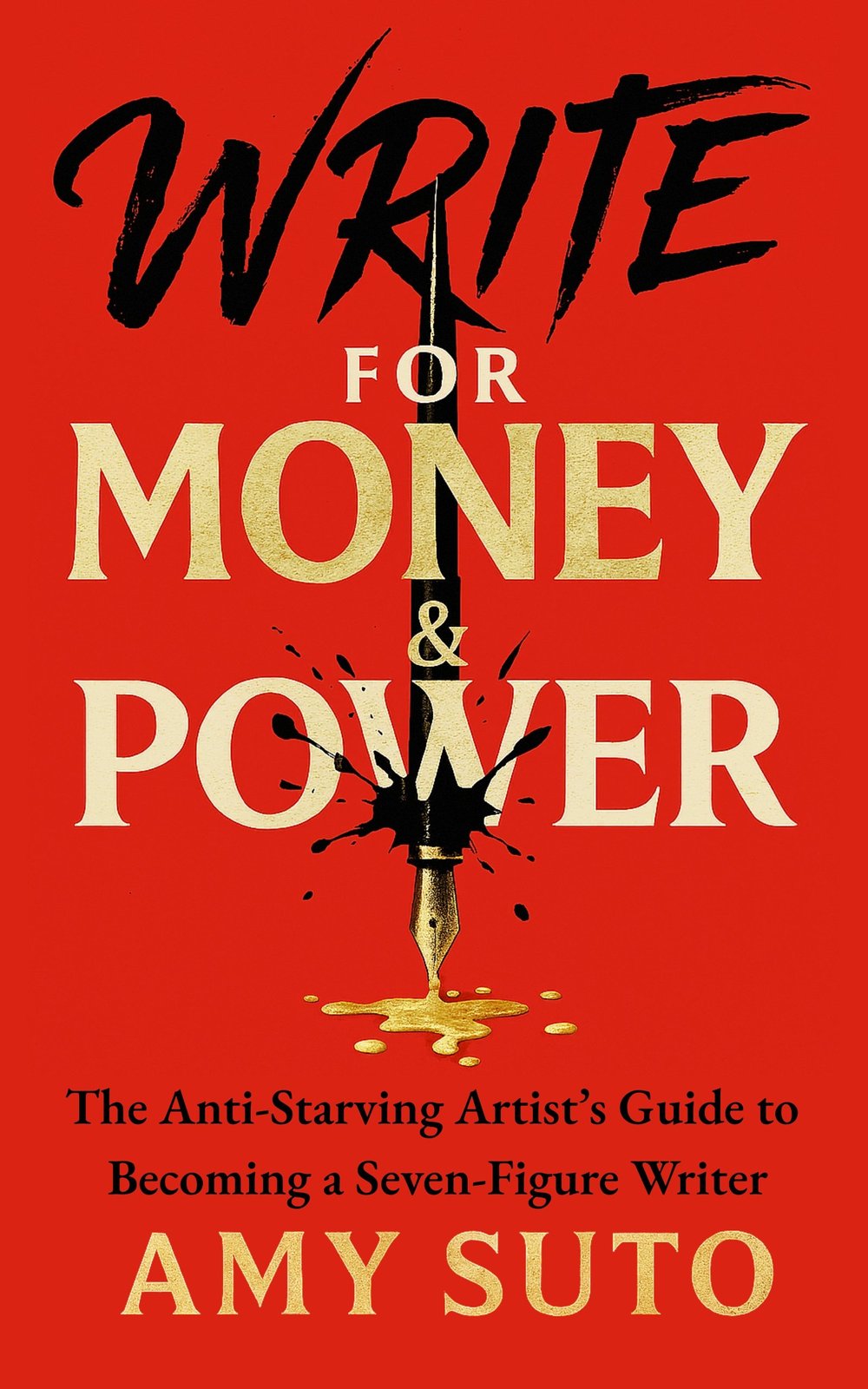
The anti-starving-artist's guide to becoming a seven-figure writer.
MY NEW NOVEL: LET ME BE YOUR GHOST

My romantic thriller arrives November 2026 — a ghostwriter with secrets, a billionaire CEO with more. Preorder one book, get two. Claim your bonus here →
MY ROMANTASY NOVEL: THE ASH TRIALS
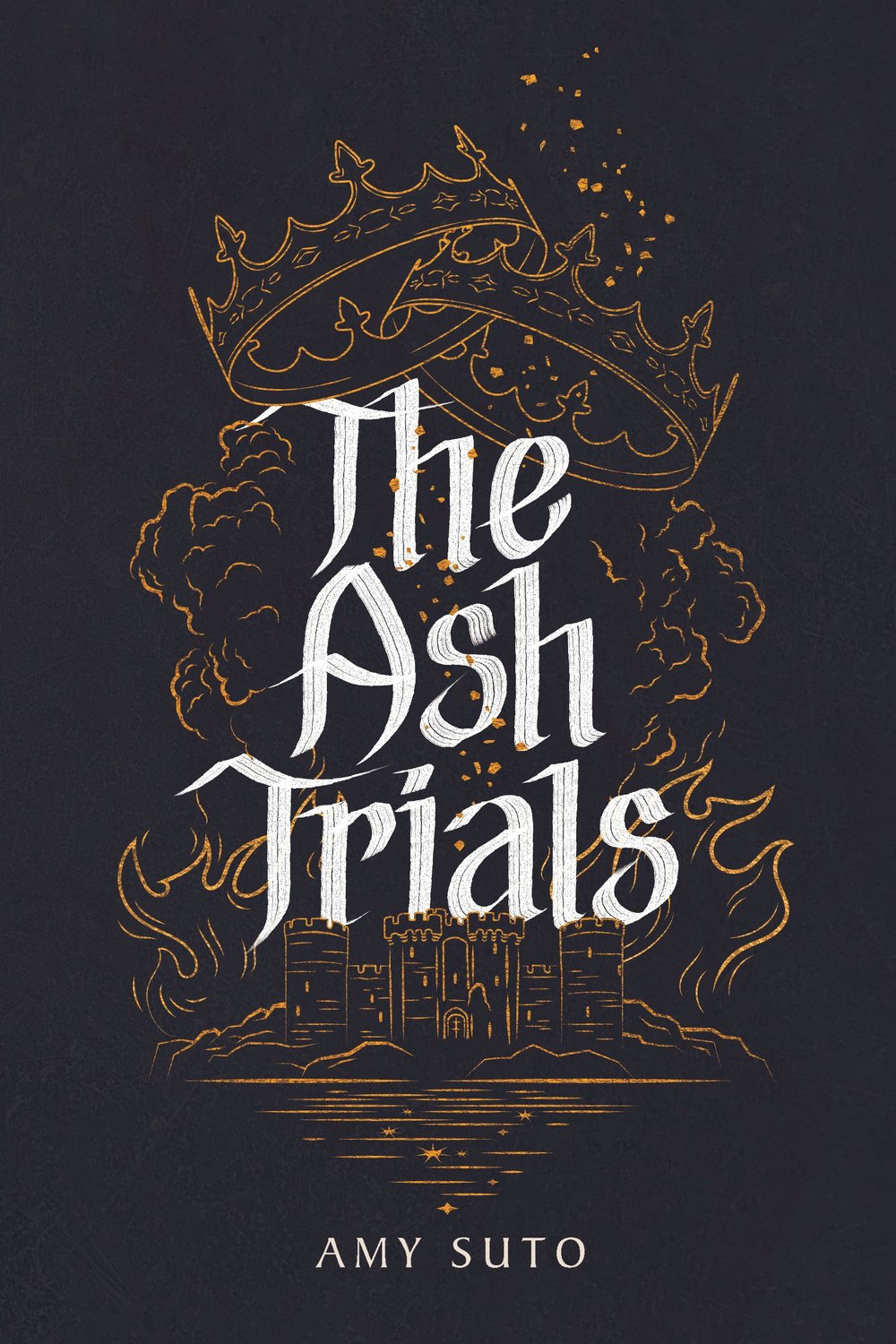
The deadliest game is remembering who you are.
MY DETECTIVE NOVEL: THE NOMAD DETECTIVE
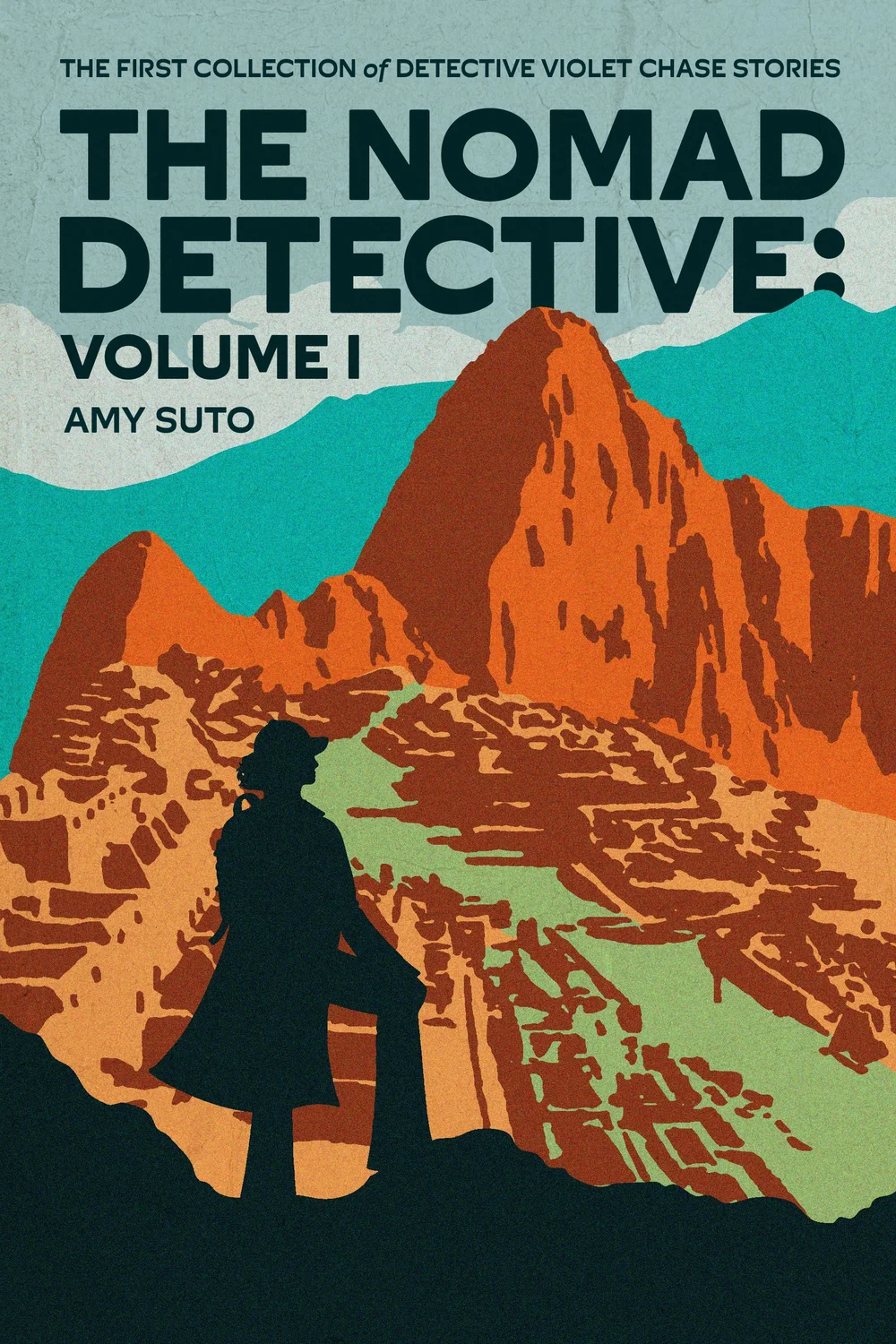
Crime crosses borders, but so does this detective.
MY HOW-TO BOOK: SIX-FIGURE FREELANCE WRITER
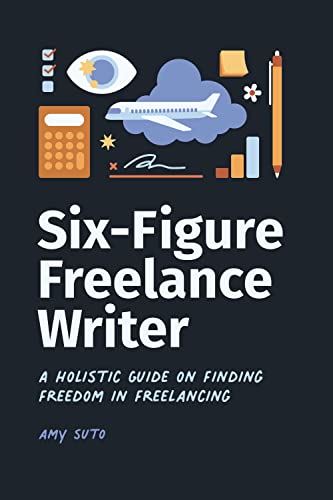
Work smarter, not harder — without the burnout.
RECENT POSTS
JOIN THE WRITING JOB BOARD
FOLLOW ME ON IG @SUTOSCIENCE

CONTACT ME

EXPLORE
CATEGORIES
FRESH FROM MY SUBSTACK
![🌁 chapter fifteen: the chamber [let me be your ghost]](https://substackcdn.com/image/fetch/w_480,c_limit,f_auto,q_auto:good,fl_progressive:steep/https%3A%2F%2Fsubstack-post-media.s3.amazonaws.com%2Fpublic%2Fimages%2F6b56d429-2b09-4a94-9b0f-415a889b419b_1080x1080.png)