Serialized Fiction: How to Publish a Novel Chapter by Chapter

Nobody told Charles Dickens he needed a book deal. He got paid by the cliffhanger — serialized novels, sold installment by installment through Victorian periodicals, made him famous enough to sell out reading tours across America and buy the kind of real estate English nobles envied.
I think about that a lot lately, because I’m publishing serialized fiction the same way right now: my novel Let Me Be Your Ghost is unfolding one chapter a week on my Substack, and readers are subscribing mid-story like it’s 1859.
Serialized fiction is a story published in installments (a chapter at a time, on a schedule) instead of all at once as a finished book. Dickens did it in magazines. Andy Weir did it on a blog. I’m doing it in your inbox. Same format, better Wi-Fi.
If you’ve been sitting on a novel, a story world, or a collection of interconnected short stories, this post is the playbook: what the format is, who’s making real money with it, and the six rules I’m following as I serialize my own novel in public. Let’s dive in.
What Is Serialized Fiction?
Serialized fiction is older than the paperback. Dickens released his novels in weekly and monthly installments and got paid per installment. Harriet Beecher Stowe, Arthur Conan Doyle, and Alexandre Dumas worked the same model: collect checks as you write, build an audience in real time, and monetize the story while it’s still being told. The Library of Congress has a whole history of the format — publishers loved serials because readers kept coming back, and readers loved them because the story showed up like a letter from a friend.
As I wrote in my book Write for Money and Power: “Serialization was the 19th-century version of a paid newsletter.” We’re living it again — except now nobody needs a printing press, and the periodical is your inbox.
Why Serialized Fiction Is Back (With Receipts)
Andy Weir released The Martian chapter by chapter on his blog, and his readers (scientists, engineers, NASA obsessives) fact-checked his orbital mechanics as he went. Hugh Howey kept serializing Wool as self-published installments until it was earning $150,000 a month in ebook sales, and then Hollywood came calling.
Elle Griffin serialized her gothic novel Obscurity one chapter a week for 42 weeks, first four chapters free and the rest for paid subscribers. She has said she earned about $120,000 from roughly 150 paid subscribers over the course of the run. That math should rearrange your brain a little: 150 readers. A $10 paperback pays you once. A serial pays you for the whole journey.
John Pistelli serialized his literary novel Major Arcana on Substack and got picked up by a traditional publisher in 2025. Even Salman Rushdie and Chuck Palahniuk have serialized work on the platform. The format isn’t new. The opportunity is.
How to Write Serialized Fiction: The 6 Rules I’m Following
Here’s the playbook I’m running — the condensed version of the strategy guide I published for my paid subscribers, now road-tested in public.
1. Treat Every Chapter Like a TV Episode
The biggest mistake serial writers make is thinking like a novelist instead of a showrunner. I wrote for TV before I wrote books, and dropping weekly chapters is running a show: every installment needs its own mini arc, with a hook, forward momentum, and an ending that makes waiting a week feel genuinely rude. Dickens was literally paid per cliffhanger, and that wasn’t laziness. It was craft. A chapter that ends on a satisfying note gets skipped. A chapter that ends mid-revelation? That’s a subscription.
Keep installments between 1,200 and 2,000 words: long enough to satisfy, short enough for an inbox read. If a late-story sequence truly can’t be cut without killing the drama, break the rule. Just remember constraints breed creativity, so break it rarely.
2. Bank a Buffer Before You Publish Chapter One
This is the rule everyone skips, and it’s the one that separates writers who finish from writers who disappear: before you publish chapter one, write chapters one through ten. I banked mine before letting a single reader in. Simon K. Jones, who has serialized fiction on Substack for over eight years and built an audience of 6,000+ subscribers, hammers this point — life happens, chapters get stuck, and a serial with no buffer is how you go quiet in week six and never come back. Serials die from missed weeks far more often than from bad chapters.
The buffer is your insurance policy. It also makes the writing better, because by the time readers catch up to a chapter, you already know where the story is going.
3. Give the First Chapters Away Free
The model that actually converts: free chapters hook, paid chapters monetize. Make the first few installments free to everyone so the writing does the selling, then publish the rest for paid subscribers. Elle Griffin’s design was elegant (four free chapters, then paid for the remaining 42-week run), and I copied the shape — the first four chapters of my serial are free, and paid subscribers get new chapters weekly plus my author notes. Stack the paid tier with behind-the-scenes material and the subscription starts feeling less like buying a book and more like a backstage pass.
4. Recruit Readers Where They Already Live
Substack has discovery tools, but the writers who break through fastest bring their own readers instead of waiting for the algorithm to deliver some. Weir didn’t market The Martian to a vague audience of book lovers. He recruited the science community, who checked his math and spread the book through the forums they already haunted. He didn’t market to readers. He recruited collaborators.
So ask who is most obsessed with the world your fiction lives in. Startup thriller? Founders and engineers. Fantasy with deep mythology? The lore historians of Reddit will eat it alive (in a good way). Find those people first, then invite them to the serial. And try a Substack Live reading — reading a chapter aloud to subscribers is wildly underused, and it creates an intimacy BookTok can’t.
5. Publish the Making-Of Alongside the Story

My romantic thriller — coming November 2026. Preorder one book, get two — claim your bonus here.
The most underrated move in serialized fiction is the meta-layer: writing about what it’s like to write the thing, in public, as you go. It turns one launch into two shows — the fiction, and the making-of.
That’s exactly what I’m doing with Let Me Be Your Ghost, my serialized billionaire romance. Lola Whitman is a memoir ghostwriter secretly informing for the FBI. Ezekiel Crane is the billionaire defense CEO who hires her — and writing his memoir is not all he wants from her. (As a real-life memoir ghostwriter, I’ve smuggled plenty of true-to-life detail into Lola’s world.) Each week I publish a new chapter on Sutoscience, plus a breakdown of how the serial is performing: the numbers, what’s working, what I’d change. Fiction readers get a story, and writer readers get a case study (watching those numbers move in public is ~ extremely ~ my kind of fun).
6. Treat the Serial as a Draft, Not the Final Manuscript
What you publish in a serial has to be compelling, and that is a different bar than perfect. The whole history of the format is writers workshopping in public: Dickens and Conan Doyle routinely revised their serialized installments before collecting them into book form, and Weir tightened The Martian in real time as readers corrected his science. The blog was the workshop. The book was the graduation.
So go in with an outline (you should know roughly where the story is headed), but let individual chapters wobble. Readers who show up for a serial are investing in a writer, not just a plot. They’re there for the ride, and the comments are your writers’ room. The serial is the experiment. The book is the artifact. You get to make both.
FAQ: Serialized Fiction
How Long Should a Serialized Fiction Chapter Be?
Between 1,200 and 2,000 words. That’s a satisfying inbox read that doesn’t get saved for later and forgotten. Later chapters can run longer when the drama genuinely earns it.
How Often Should You Publish a Serialized Novel?
Weekly is the standard, and it’s what I do. Consistency beats ambition here — a buffer of ten finished chapters matters more than a twice-a-week schedule you’ll eventually miss.
Can You Make Money Serializing Fiction?
Yes. Elle Griffin earned about $120,000 from roughly 150 paid subscribers across one 42-week serial, and Hugh Howey’s serialized Wool reached $150,000 a month in ebook sales. Plenty of serials earn far less — the honest math is that subscriptions reward a small, committed audience, not a viral one.
Can You Publish the Book After Serializing It?
Yes, and you should. Dickens collected his serials into novels, The Martian became a bestseller and a movie after its blog run, and John Pistelli’s Substack serial Major Arcana landed a traditional deal in 2025. The serial and the book are two different products, so make both.
Want to Serialize Your Own Fiction?

Serial launches and paywall strategy are part of my Substack consulting practice — I’ve built two publications of my own, including Make Writing Your Job, which I grew to 42,000+ subscribers over three years with no paid ads. If you want a second pair of eyes on your launch (or the whole plan), tell me about your story below.
You can also watch the experiment instead of just reading about it: start with chapter one of Let Me Be Your Ghost, browse my guides on how to start a Substack and how to make money on Substack, or go deeper in my Substack resource hub. Nothing will ever be fully ready. Start the chapter — I’m rooting for you.

Hello! 👋 I’m Amy Suto. I’m a bestselling author, San Francisco content creator, and co-creator of the job board 🛋️ CozyJobs. Join CozyJobs to browse thousands of jobs and get daily matches to your inbox — writing and creative roles front and center!
GET ON THE LIST
Find your next writing job on 🛋️ COZYJOBS — thousands of jobs on a board updated daily, writing and creative roles front and center. ✨ The application tracker is free (basic CozyApply autofill is too), and paid plans start at $25/month with daily job matches straight to your inbox. Real writers are landing real work—don’t miss out.
FOLLOW ME ON GOOGLE
Add me as a preferred source and Google shows you more of my posts in Top Stories.

MY NEW BOOK: WRITE FOR MONEY & POWER
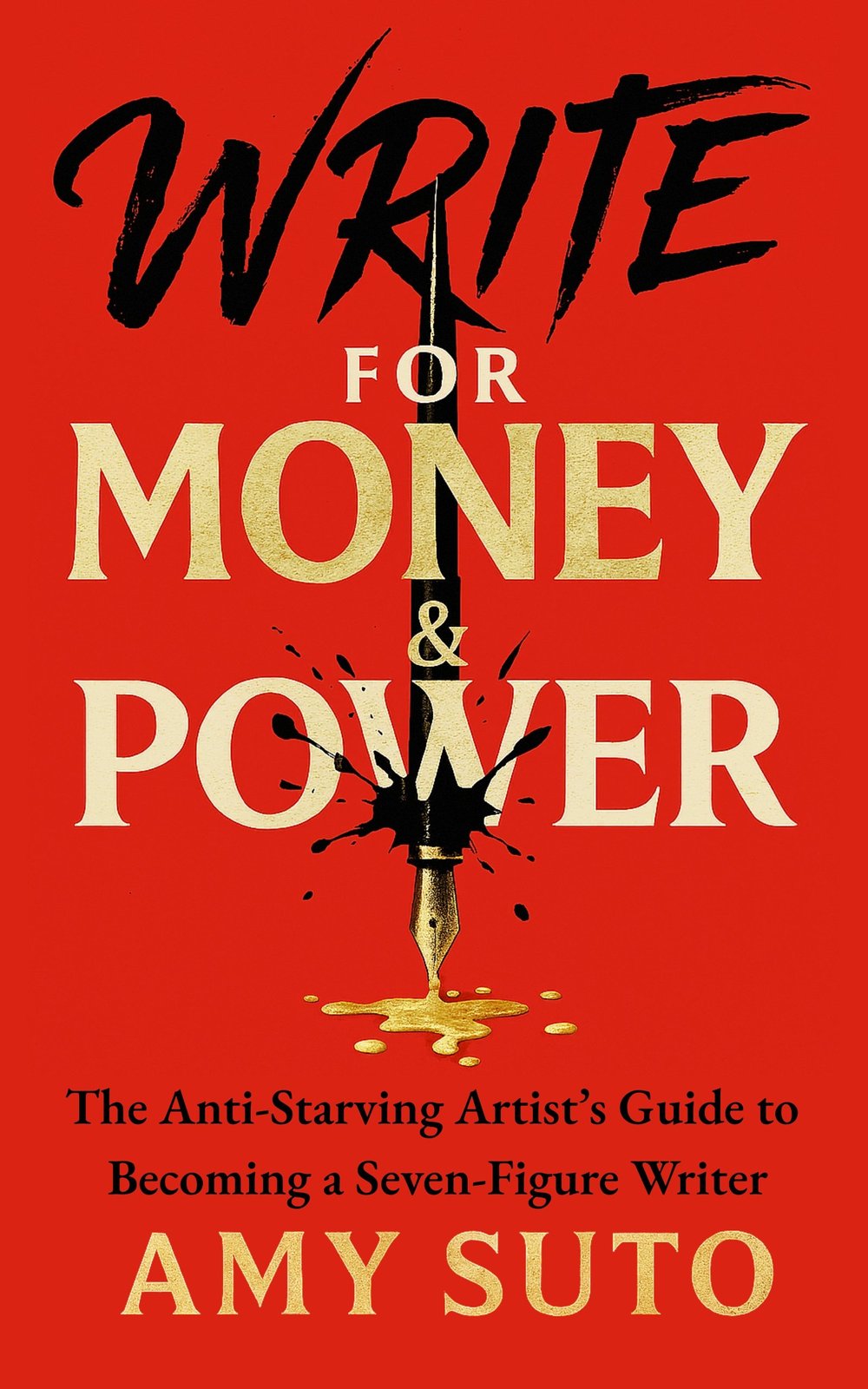
The anti-starving-artist's guide to becoming a seven-figure writer.
MY NEW NOVEL: LET ME BE YOUR GHOST
My romantic thriller arrives November 2026 — a ghostwriter with secrets, a billionaire CEO with more. Preorder one book, get two. Claim your bonus here →
MY ROMANTASY NOVEL: THE ASH TRIALS
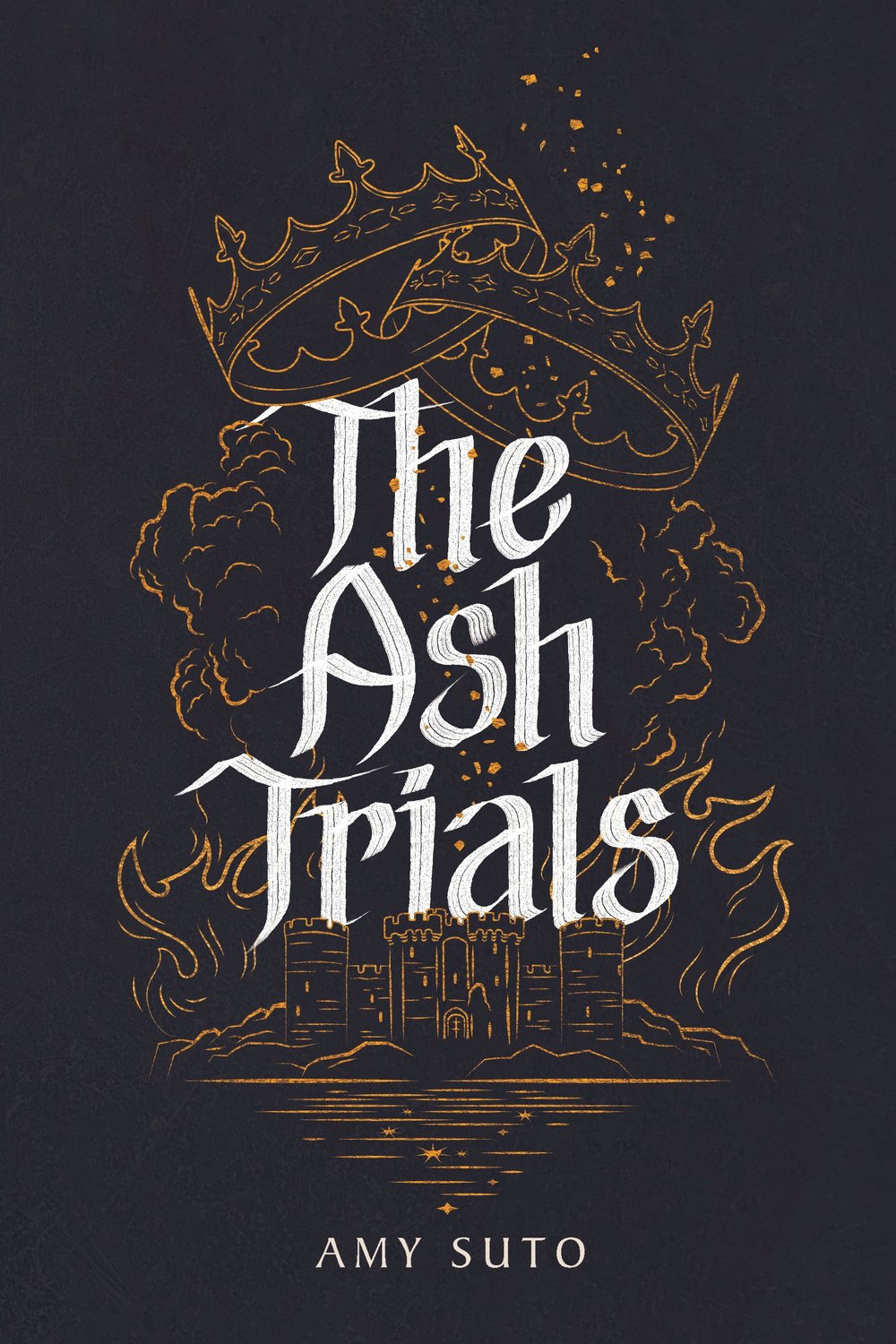
The deadliest game is remembering who you are.
MY DETECTIVE NOVEL: THE NOMAD DETECTIVE

Crime crosses borders, but so does this detective.
MY HOW-TO BOOK: SIX-FIGURE FREELANCE WRITER
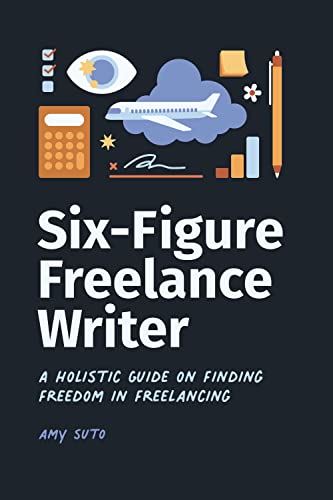
Work smarter, not harder — without the burnout.
RECENT POSTS
JOIN THE WRITING JOB BOARD
FOLLOW ME ON IG @SUTOSCIENCE