
The 10 Best Books for Writers (Rated by a Working Writer)
Read all my book reviews here. Be sure to subscribe to my newsletter for more book recommendations!
Every book on this list survived a purge. I read around 80 books a year, I’ve built a writing career across TV writers’ rooms, six-figure memoir projects, and a newsletter published weekly for three years straight — and most books about writing repeat the same five ideas in different fonts. So if you’re hunting for the best books for writers, here’s the shelf that survived, with my honest rating on each.
My short answer: The War of Art for the day you don’t feel like writing, Big Magic if fear runs your drafts, The Artist’s Way if you need a structured program, and Real Artists Don’t Starve if you still believe writers have to be broke.
The other six below are just as load-bearing. Here’s the full shelf.
The 10 Best Books for Writers and Creatives
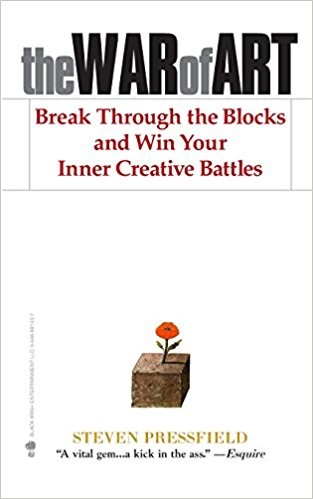
Best for: the day you don’t feel like doing the work.
My rating: ⭐️⭐️⭐️⭐️ 4/5 stars. I first read it in 2011, as a teenager who had never been paid a cent to write, and it’s still the book I hear in my head when the work stalls. Amateurs create when they feel like it, professionals show up on a schedule — I built my entire career on that one distinction. The last third gets mystical (muses and angels take a personal interest in your novel), which is why it loses a star. Read my full review here!
2. Big Magic
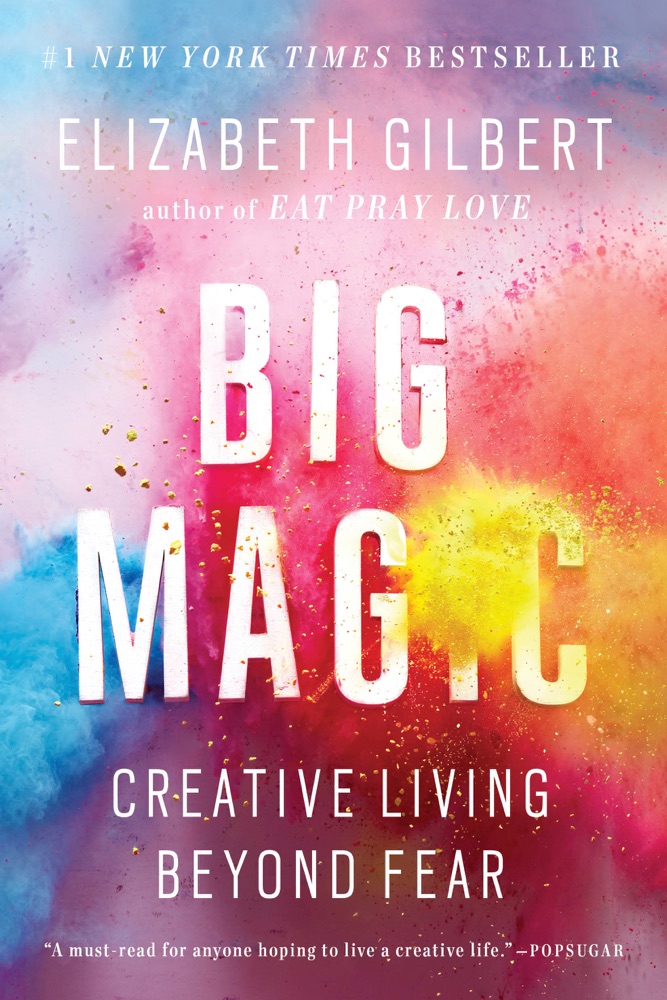
Best for: writers whose inner critic has tenure.
My rating: ⭐️⭐️⭐️⭐️⭐️ 5/5 stars. I picked it up in April 2020 mostly to prove I didn’t need it. I was wrong — cheerfully, thoroughly wrong. Gilbert takes down the tortured-genius myth and makes the case that playfulness produces better work than martyrdom ever has. A warm, funny, permission-granting read. Read my full review here!
Best for: anyone who thrives inside a structured program.
My rating: ⭐️⭐️⭐️⭐️⭐️ 5/5 stars. A confession: I never did the full twelve weeks, and I’m rating it five stars anyway. Morning pages are drainage, not writing — getting the sludge out of your head before it can pass itself off as your personality. My own journaling practice is a direct descendant of that idea. Read my full review here!
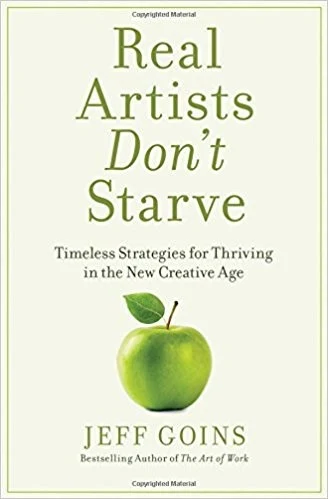
Best for: deprogramming the starving-artist myth.
My rating: ⭐️⭐️⭐️⭐️⭐️ 5/5 stars. Goins opens with the revelation that Michelangelo was rich. Not comfortable: rich. This book handed me a thread I pulled for years — it eventually became the thesis behind my own book. The starving-artist myth is PR, and you were never the customer. Read my full review here!
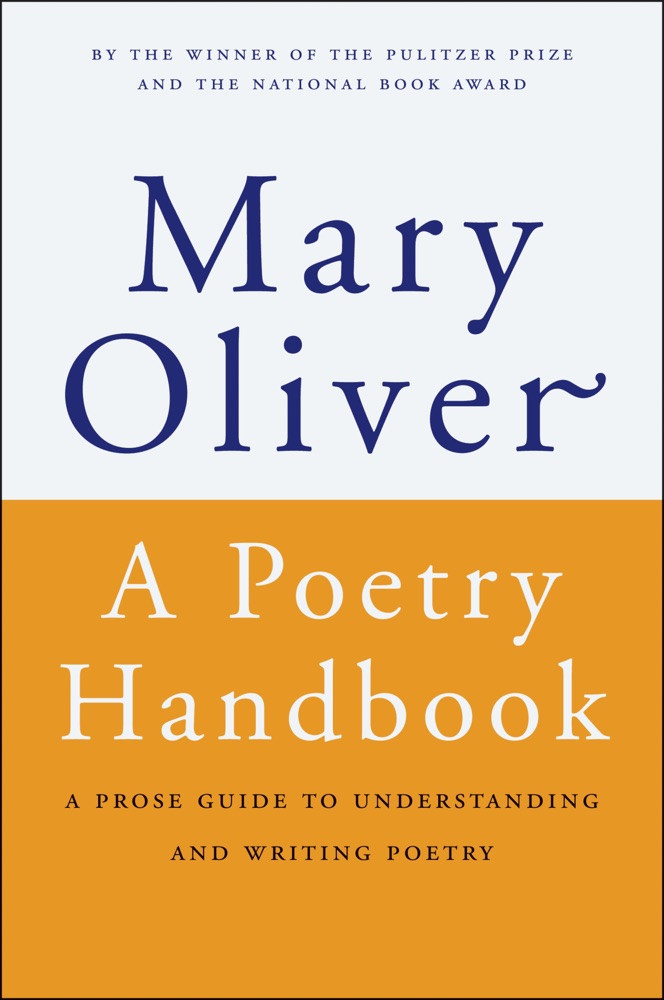
Best for: making your sentences sound better read aloud.
My rating: ⭐️⭐️⭐️⭐️⭐️ 5/5 stars. Mary Oliver wrote it for poets. Prose writers should steal it — the sound chapters explain why certain sentences feel good in your mouth, and once you see it, you can’t unsee it in your own drafts. My scripts don’t rhyme, and every one of them lives or dies on rhythm anyway. Read my full review here!
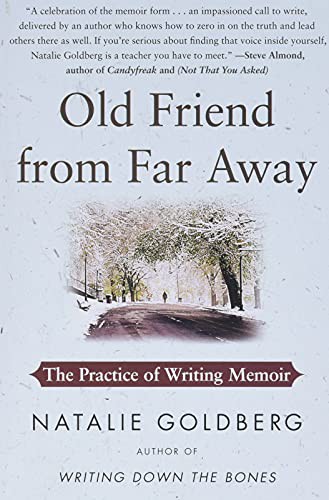
Best for: memoir writers staring at the blank page.
My rating: ⭐️⭐️⭐️⭐️ 4/5 stars. Goldberg treats memory as a physical practice instead of an archaeology project, and I’ve watched her exact mechanism work over and over in my ghostwriting career. Ask someone a huge abstract question about their life and you get a shrug. Ask about the kitchen table, and suddenly it’s 1974 in the room. Read my full review here!
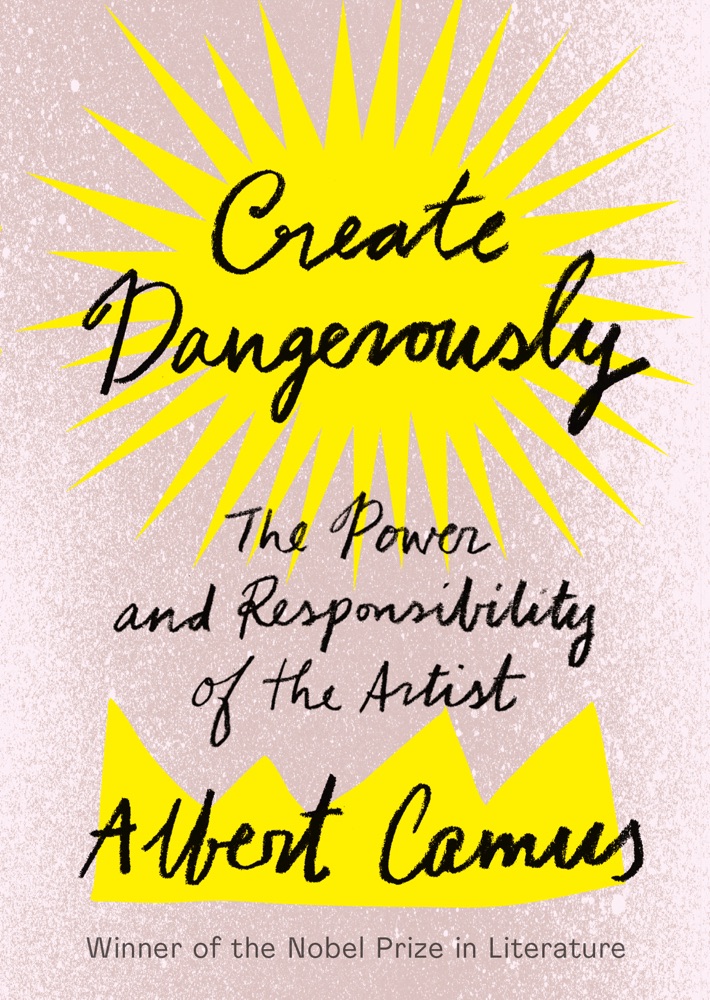
Best for: the week the news makes your work feel small.
My rating: ⭐️⭐️⭐️⭐️⭐️ 5/5 stars. Camus’s lecture on the artist’s job in an ugly century, over in an afternoon and quotable for a lifetime. When the literary collective I founded drew backlash and legal threats, this was the pep talk. Backlash is your stamped receipt for boundary-pushing work — Camus just says it in French. Read my full review here!
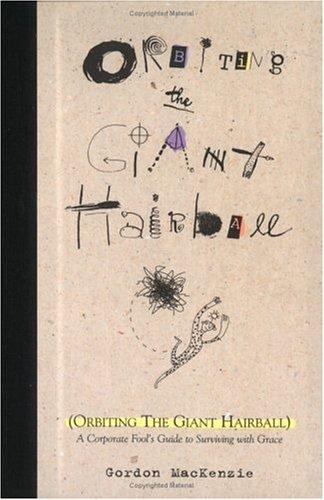
Best for: creatives with a badge, a lanyard, and a slowly dimming spark.
My rating: ⭐️⭐️⭐️⭐️⭐️ 5/5 stars. MacKenzie spent thirty years at Hallmark, where his job titles eventually included (really) Creative Paradox, and his hand-lettered manifesto on keeping your creative soul on a payroll is one of a kind. This is a book I press into people’s hands while maintaining eye contact. Read my full review here!
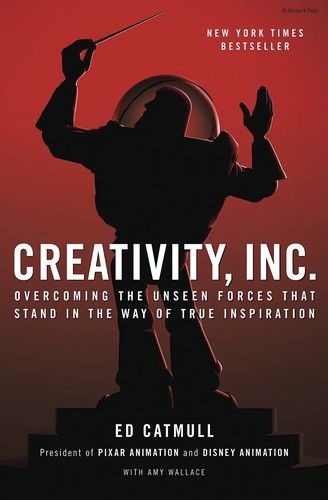
Best for: anyone who leads creative people.
My rating: ⭐️⭐️⭐️⭐️⭐️ 5/5 stars. The Braintrust chapter is the best thing I’ve read about giving notes: the feedback targets the work, never the person, and the room has no authority. Every creative room that breaks, breaks exactly where Catmull predicts. Skim the studio-management middle if you fly solo, and skip nothing if anyone reports to you. Read my full review here!
10. Deep Work
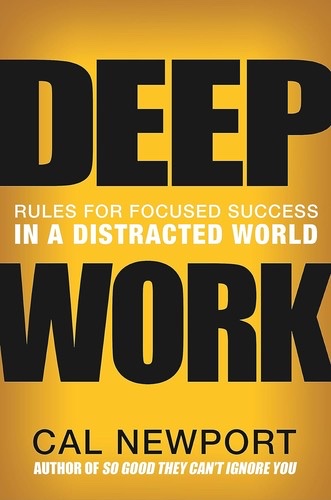
Best for: focus, if you can forgive corporate prose.
My rating: ⭐️⭐️⭐️ 3/5 stars. I run my ghostwriting practice async because calls drag me out of deep work, so I’m the choir this book preaches to — and I still gave it three stars, because the ideas deserve livelier sentences than the ones they arrived in. Newport’s case that social media matters less for authors than you think genuinely shifted me. If you want one do-less-but-better book, my review of Essentialism covers the one I’d start with. Read my full review here!
Bonus: Write for Money and Power (Yes, Mine)
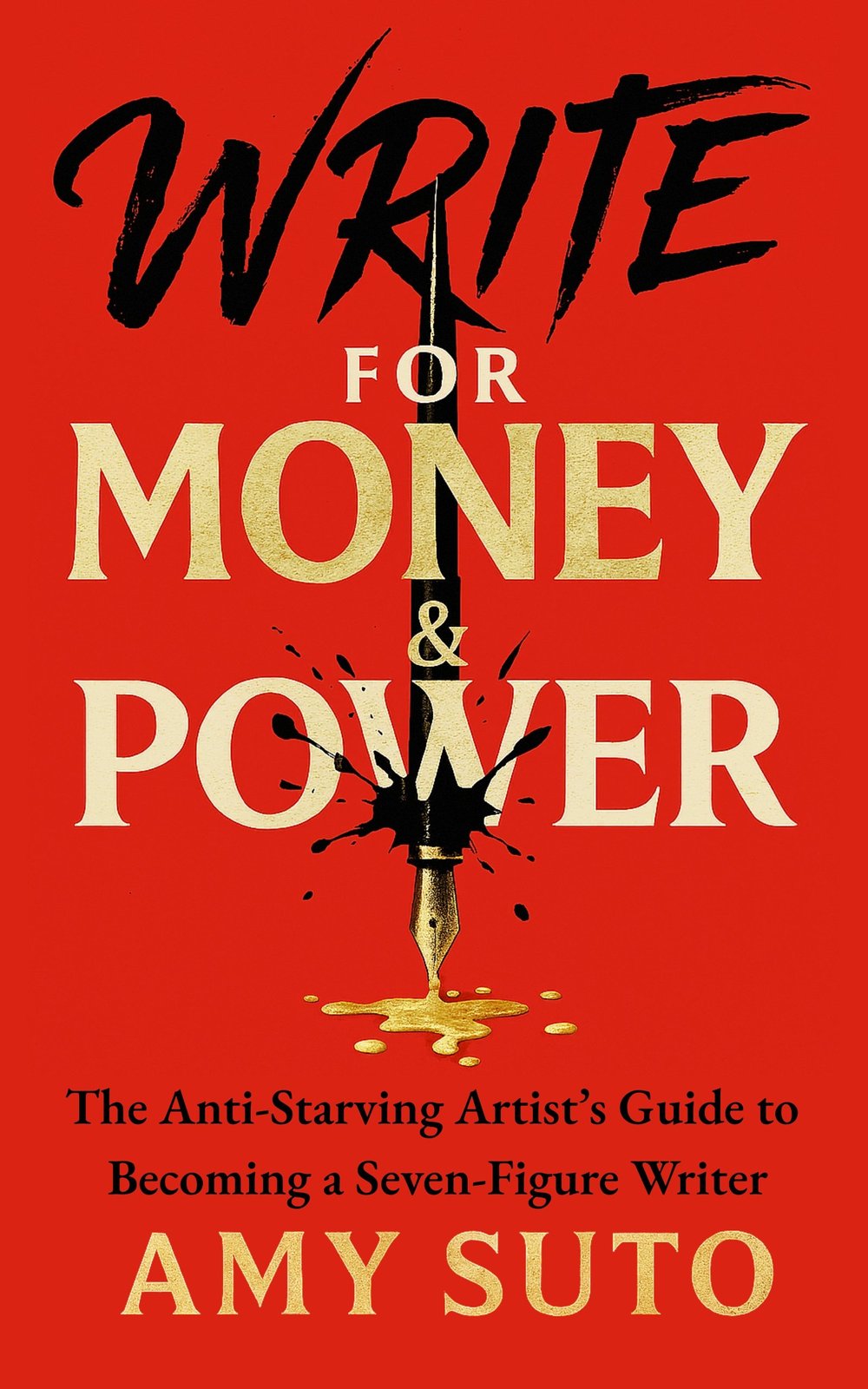
I’m including my own book in this list as well — transparently, wink acknowledged.
What I hope you’ll love about it: the books above handle the war (Resistance, fear, unblocking). Mine handles the paycheck. Pressfield convinced me to turn pro, Goins convinced me the starving artist was a story someone else wrote — and Write for Money and Power is the current-day playbook I built from there: ghostwriting, newsletters, self-publishing, and my real numbers on the page.
Read Widely, Then Go Write
If you’re wondering how these fit together: Gilbert brings the picnic, Pressfield brings the drill sergeant, and Cameron brings the structured program. Unblock first, then build the business. And if the book you’re circling is a memoir, my list of the best books about how to write your memoir goes deeper on that exact shelf.
Everything I’ve rated — the writing books, the romantasy, all of it — lives on my book reviews page. And if reading more is the goal, my guide to becoming an ARC reader or beta reader is how you get books before everyone else does.
✍️ Want Writing Jobs Delivered to Your Inbox?
Reading about writing is the warm-up. Getting paid for it is the game. My job board 🛋️ CozyJobs holds thousands of jobs, updated daily — writing and creative roles front and center — with grants and contests in the Opportunities tab. My list of the best writing job boards is a good free place to start too.

Hello! 👋 I’m Amy Suto. I’m a bestselling author, San Francisco content creator, and co-creator of the job board 🛋️ CozyJobs. Join CozyJobs to browse thousands of jobs and get daily matches to your inbox — writing and creative roles front and center!
GET ON THE LIST
Find your next writing job on 🛋️ COZYJOBS — thousands of jobs on a board updated daily, writing and creative roles front and center. ✨ The application tracker is free (basic CozyApply autofill is too), and paid plans start at $25/month with daily job matches straight to your inbox. Real writers are landing real work—don’t miss out.
FOLLOW ME ON GOOGLE
Add me as a preferred source and Google shows you more of my posts in Top Stories.
MY NEW BOOK: WRITE FOR MONEY & POWER
The anti-starving-artist's guide to becoming a seven-figure writer.
MY NEW NOVEL: LET ME BE YOUR GHOST
My romantic thriller arrives November 2026 — a ghostwriter with secrets, a billionaire CEO with more. Preorder one book, get two. Claim your bonus here →
MY ROMANTASY NOVEL: THE ASH TRIALS
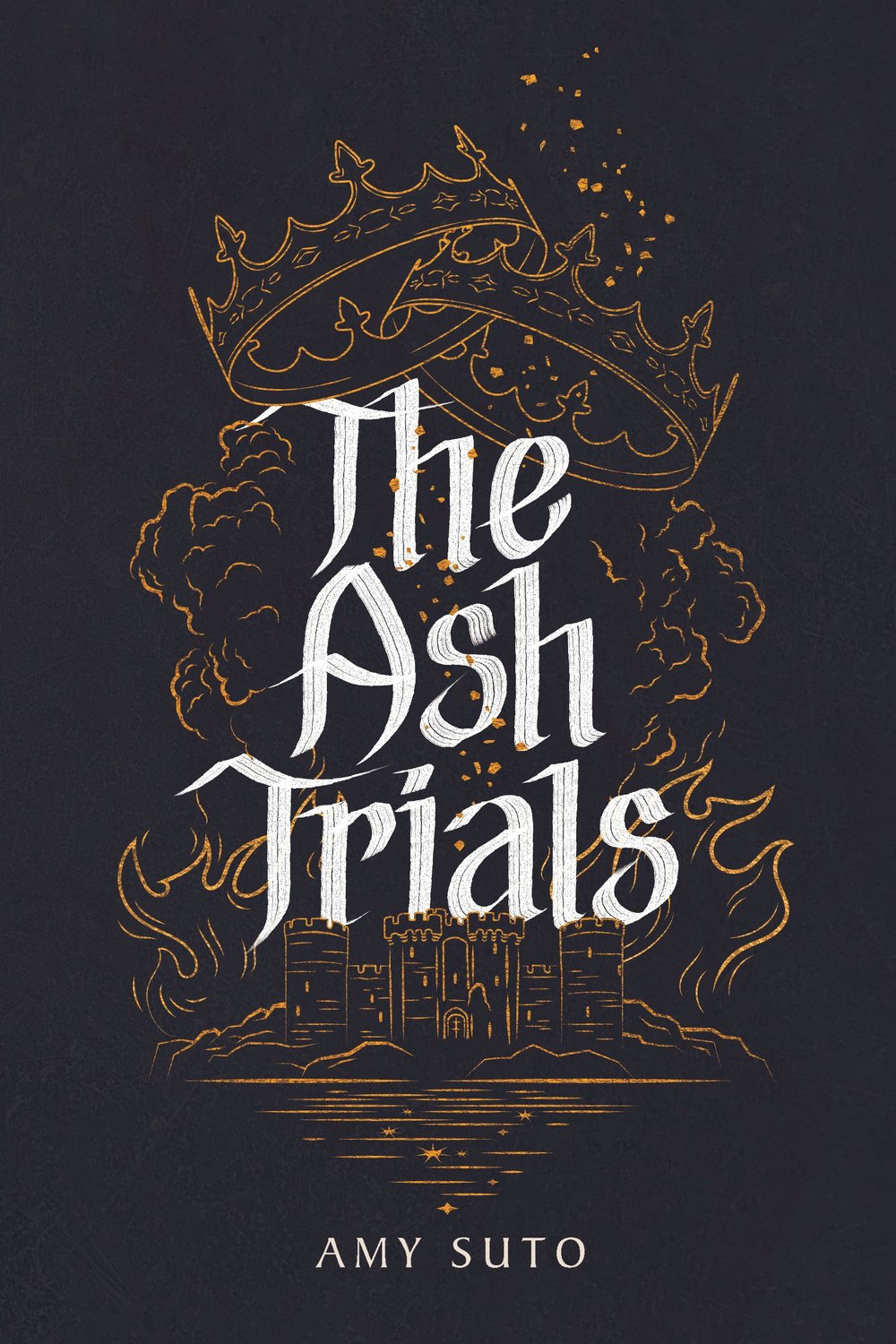
The deadliest game is remembering who you are.
MY DETECTIVE NOVEL: THE NOMAD DETECTIVE
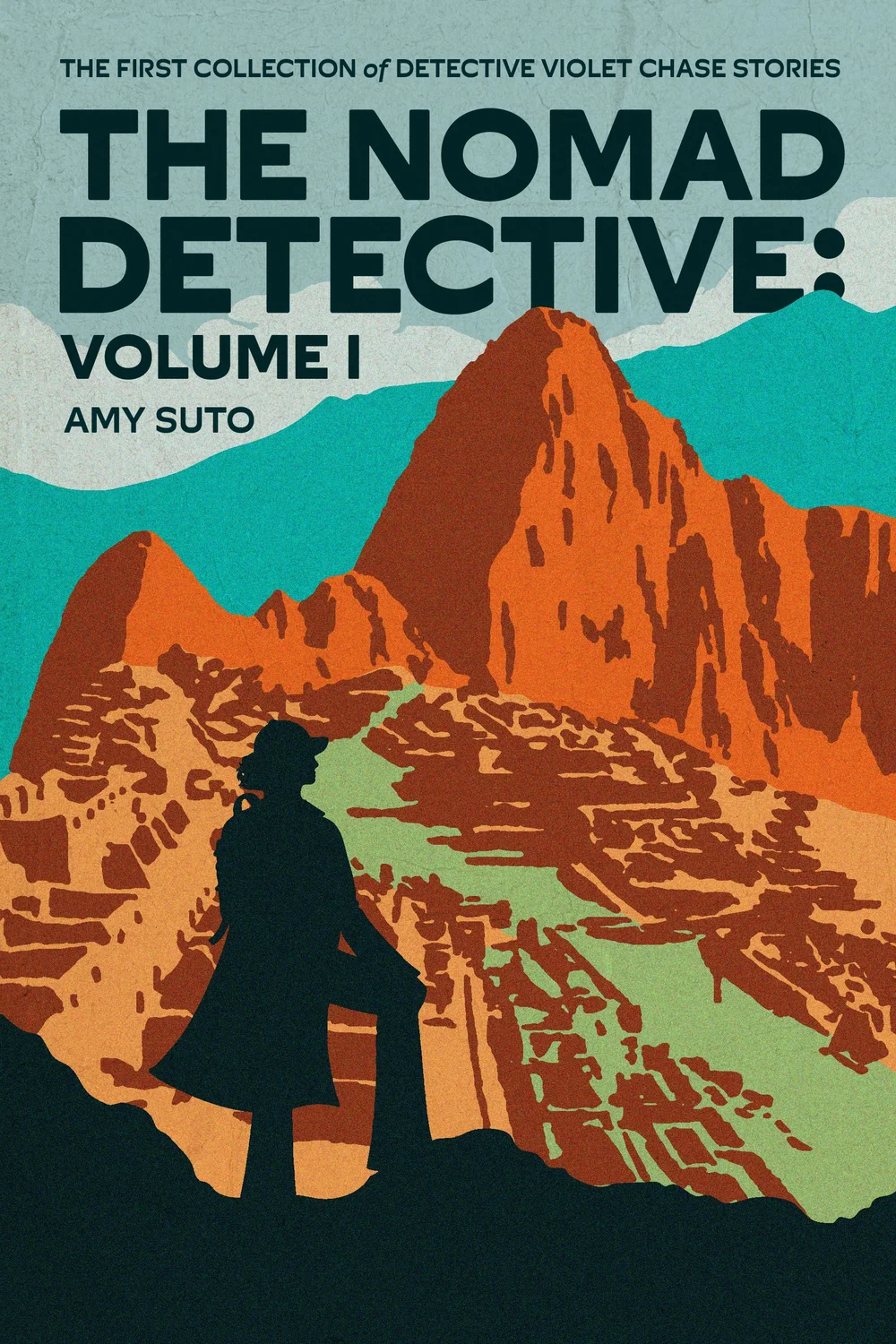
Crime crosses borders, but so does this detective.
MY HOW-TO BOOK: SIX-FIGURE FREELANCE WRITER
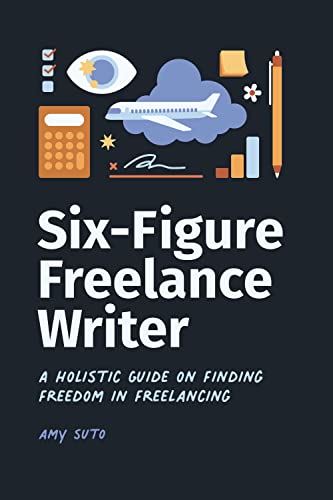
Work smarter, not harder — without the burnout.
RECENT POSTS
JOIN THE WRITING JOB BOARD
FOLLOW ME ON IG @SUTOSCIENCE


![🌁 chapter sixteen: who watches the watchmen? [let me be your ghost]](https://substackcdn.com/image/fetch/w_480,c_limit,f_auto,q_auto:good,fl_progressive:steep/https%3A%2F%2Fsubstack-post-media.s3.amazonaws.com%2Fpublic%2Fimages%2F6b56d429-2b09-4a94-9b0f-415a889b419b_1080x1080.png)