
The Yoga Sutras of Patanjali Review: An Honest 3/5
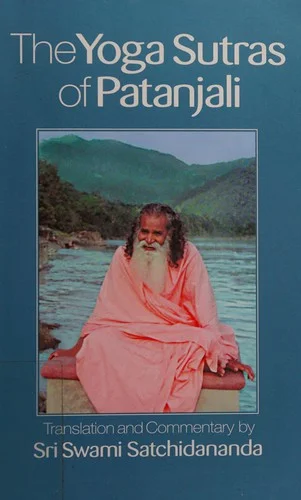
In early 2019, with my 200-hour yoga teacher training on the calendar, I did the diligent-student thing and read the philosophy homework in advance: The Yoga Sutras of Patanjali, in the classic translation and commentary by Sri Swami Satchidananda. Some of it went straight into my teaching. Some of it I argued with in the margins.
For the uninitiated: the Yoga Sutras are one of yoga’s foundational texts — 196 short aphorisms, compiled somewhere around two thousand years ago, that lay out what yoga actually is. (Spoiler that isn’t a spoiler: it’s mostly not the poses.) Satchidananda’s edition threads his own commentary between the lines, which is where most of the modern-day application lives.
What I Loved About The Yoga Sutras of Patanjali
The framework holds up. The eight limbs put the physical practice (the part people pay boutique-studio prices for) at exactly one-eighth of the assignment, and that reframe made me a better teacher before I’d taught a single class. Breath, attention, conduct, stillness: the sutras treat the pose as the doorway, not the house. Years later, teaching my $5 community yoga classes, that’s still the idea I’m sneaking into savasana.
There are lines in here I’ve been chewing on for years — ideas about steadying the mind that predate every productivity book by roughly nineteen centuries and outclass most of them.
What I Didn’t Love About The Yoga Sutras of Patanjali
Some of it feels dated, because it is. Parts of the worldview read like advice from a different century (they are, by about seventeen centuries), and the commentary doesn’t always bridge the gap to a modern practice. I found myself taking what served my students and leaving the rest, which I suspect is exactly what most working teachers do with this text.
Final Thoughts on The Yoga Sutras of Patanjali
Three stars as a general read, higher if you’re training to teach. It gave me real things to reflect on and a framework I still use, alongside passages I closed the book on. If the mind-body thread is what pulls you, The Body Keeps the Score comes at it from the neuroscience side — the two make odd, excellent shelf-mates.
My final score: 3 out of 5 stars ⭐️⭐️⭐️
Do I recommend this book? 👍 Yes — if you’re deepening a practice or headed into teacher training. If you’re happy just showing up to class, your teacher can read it first.
If you’re in San Francisco, come practice the slow stuff with me: I teach a community sliding-scale Yin class at Arise Yoga on Tuesdays at 3pm, starting September 15, 2026.
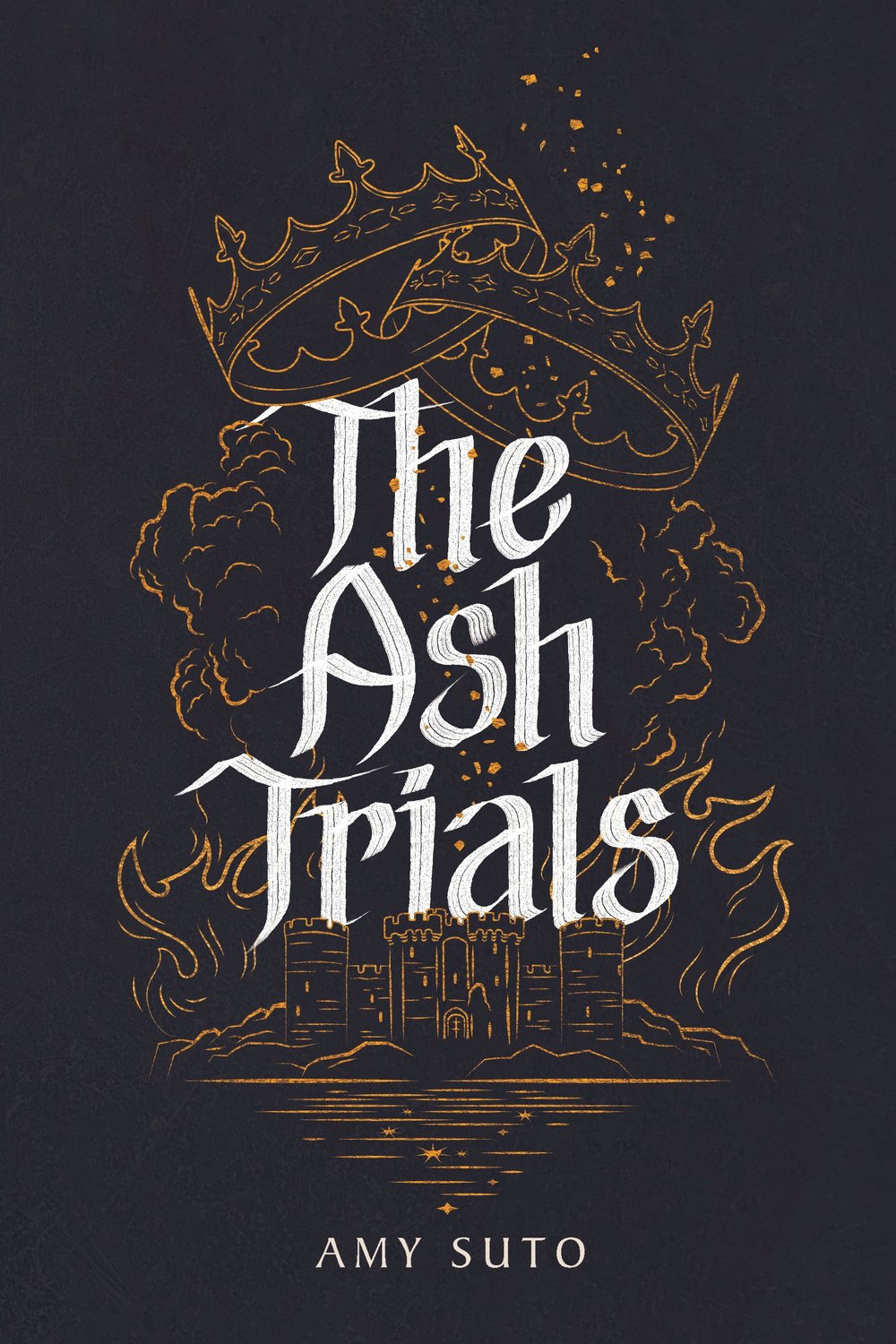
🔥 A Deadly Trials Romantasy on Kindle Unlimited: The Ash Trials
Saffron Vale wakes in a ruined wedding dress, locked in a prison for the kingdom’s deadliest criminals — with no memory of who she is.
To survive the brutal Ash Trials, she must outlast shifters, spellcasters, and something even more dangerous: the truth about herself. Her only allies? A traitorous commander from her past and an assassin who swears she’s the real monster here.
The truth could save her — or destroy everything.
Get the book now on Amazon and Kindle Unlimited:
THE READING LOG
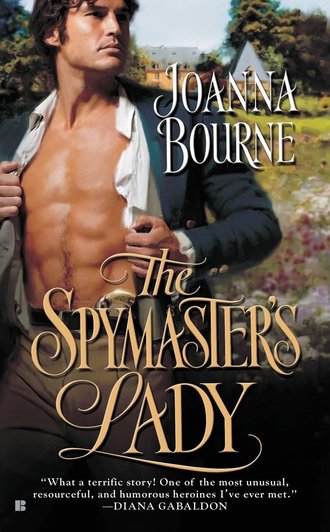
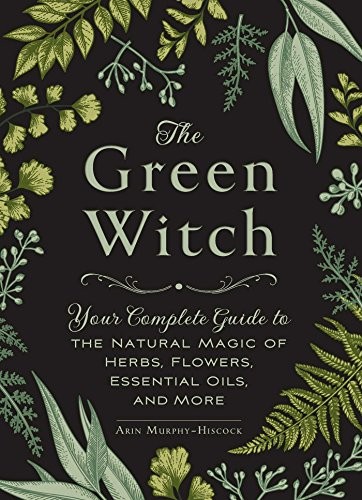
This review lives on a shelf of 133 spoiler-free book reviews — heavy on romantasy, honest on every page. Click a cover to keep reading.


Hello! 👋 I’m Amy Suto. I’m a bestselling author, San Francisco content creator, and co-creator of the job board 🛋️ CozyJobs. Join CozyJobs to browse thousands of jobs and get daily matches to your inbox — writing and creative roles front and center!
GET ON THE LIST
Find your next writing job on 🛋️ COZYJOBS — thousands of jobs on a board updated daily, writing and creative roles front and center. ✨ The application tracker is free (basic CozyApply autofill is too), and paid plans start at $25/month with daily job matches straight to your inbox. Real writers are landing real work—don’t miss out.
FOLLOW ME ON GOOGLE
Add me as a preferred source and Google shows you more of my posts in Top Stories.

MY NEW BOOK: WRITE FOR MONEY & POWER
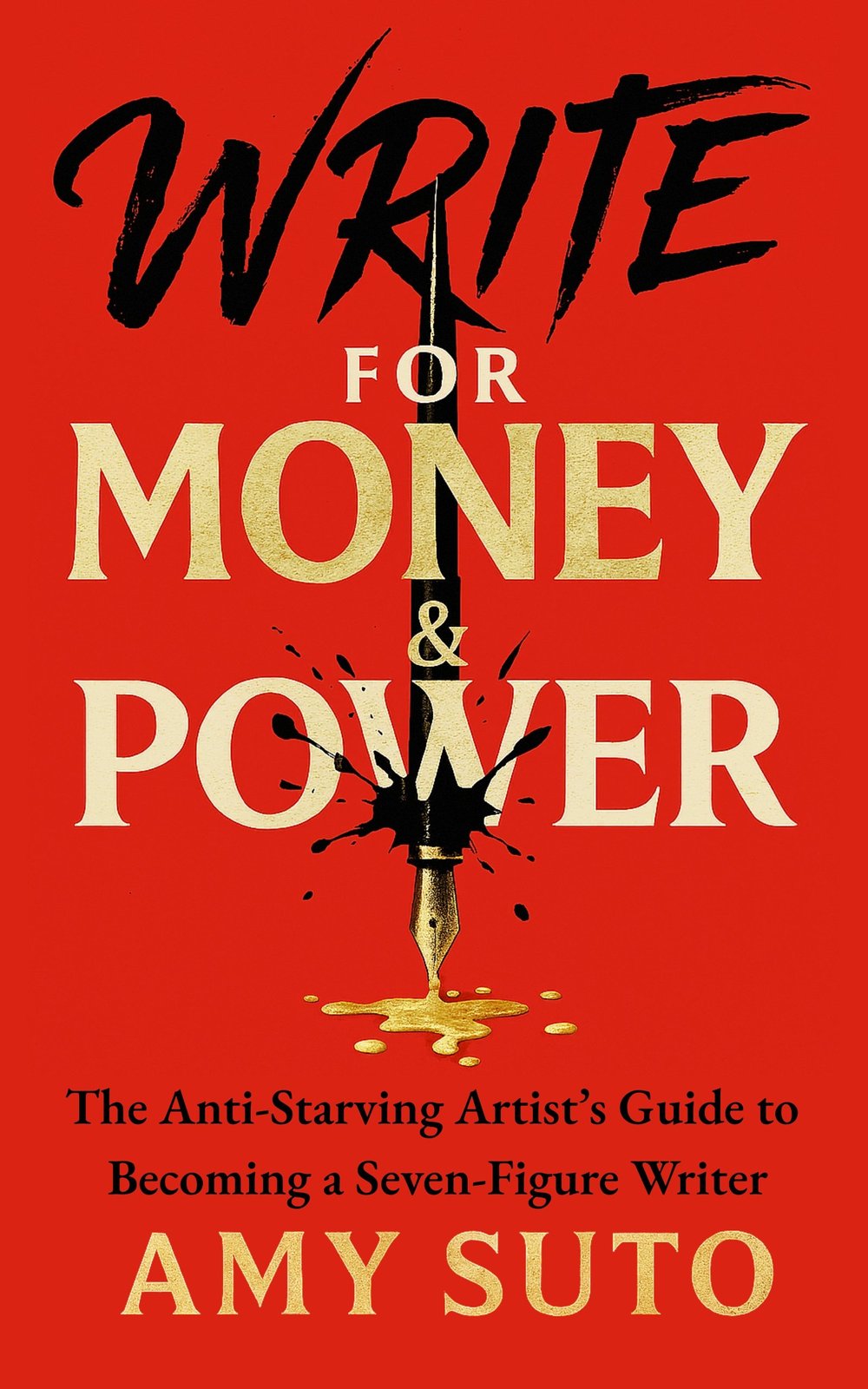
The anti-starving-artist's guide to becoming a seven-figure writer.
MY NEW NOVEL: LET ME BE YOUR GHOST

My romantic thriller arrives November 2026 — a ghostwriter with secrets, a billionaire CEO with more. Preorder one book, get two. Claim your bonus here →
MY ROMANTASY NOVEL: THE ASH TRIALS
The deadliest game is remembering who you are.
MY DETECTIVE NOVEL: THE NOMAD DETECTIVE
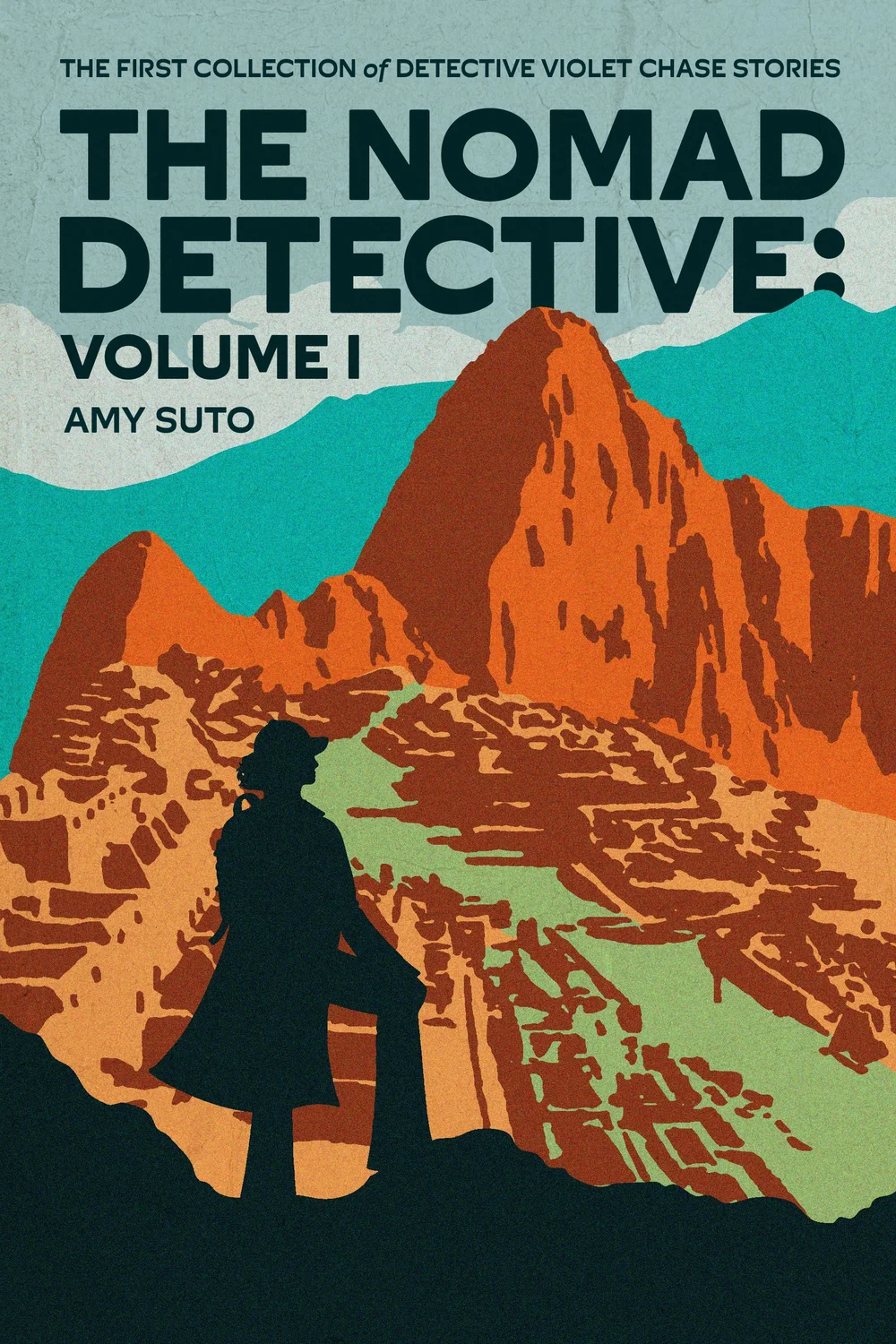
Crime crosses borders, but so does this detective.
MY HOW-TO BOOK: SIX-FIGURE FREELANCE WRITER
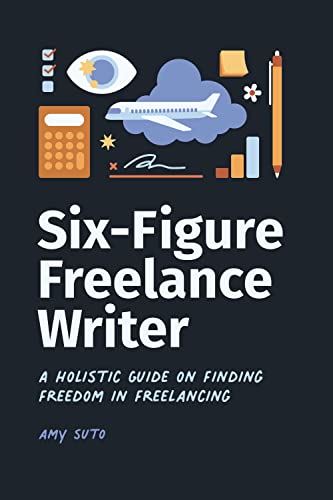
Work smarter, not harder — without the burnout.
RECENT POSTS
JOIN THE WRITING JOB BOARD
FOLLOW ME ON IG @SUTOSCIENCE


![🌁 chapter twenty: no net ensnares me [let me be your ghost]](https://substackcdn.com/image/fetch/w_480,c_limit,f_auto,q_auto:good,fl_progressive:steep/https%3A%2F%2Fsubstack-post-media.s3.amazonaws.com%2Fpublic%2Fimages%2F6b56d429-2b09-4a94-9b0f-415a889b419b_1080x1080.png)