
Top Remote Writing Jobs You Can Apply to in 2025 (and 2026) — Plus How to Land One

If you’re searching for remote writing jobs in 2025 — or already building your 2026 “write from anywhere” vision board — you’re not late. You’re early. For the full map of where remote writing jobs are posted, freelance and full-time, start with my remote writing jobs guide.
While some companies are busy dragging people back into office cubicles and pretending remote work was a temporary trend, writing is doing what it always does: adapting, expanding, and finding new places to get published, shipped, and paid.
And if you freelance? Even better.
I’ve written from all over the world — from tiny café tables to long train rides to apartments where the only “office” was a chair I dragged near a window. Here’s the honest truth: remote writing work can offer more freedom, flexibility, and earning potential than a lot of full-time roles — especially if you build a system that keeps your pipeline full.
Let’s talk about why, what kinds of writing jobs are hottest right now, and exactly where to find the high-quality opportunities.
Why Freelance > Full-Time (Especially For Remote Writing Jobs)
Let’s be real. Here’s what you’re not dealing with when you go freelance:
No 9–5 Zoom jail
No Slack pings during dinner
No office politics or “prove you’re working” theater
No “can you do a quick revision” that turns into 14 rounds
And here’s what you do get:
Asynchronous work (you’re not tied to a timezone)
Stackable income (multiple clients, retainers, recurring assignments)
Creative control (you choose what you write and who you write it for)
Geographic freedom (yes, you can outline a feature from a hammock)
One of the biggest remote-work traps I see is this: friends on “full-time remote” contracts still end up working weird hours to match another timezone. Meanwhile, freelance writers can build a schedule around their life — not the other way around.
Remote writing freelancing = work-life design.
Skip The Scroll: Get The Best Remote Writing Jobs Sent To Your Inbox
You could spend hours digging through LinkedIn, job boards, Slack groups, X/Twitter threads, and “writer wanted” posts buried in comment sections.
Or you could let a system do the sorting for you.
Over at 🛋️ CozyJobs, the board holds thousands of jobs and updates daily — writing-forward opportunities front and center — so you don’t have to live inside the endless scroll. Think:
Remote freelance and contract writing roles
Editing opportunities (copyediting, developmental, proofing, story editing)
Under-the-radar gigs you won’t always see on big job boards
Real leads from real companies, creators, and publications
If you want writing work consistently, the #1 move is reducing the time you spend hunting and increasing the time you spend applying, pitching, and shipping.
Want a peek at what’s inside first? Browse the latest job drops here.
The Top Remote Marketing Jobs in 2025 & 2026
These are the freelance marketing roles we’re seeing the most (and with the highest rates):
🔥 Freelance Copywriter
Typical pay range: $50—$150/hour or $1,000—$10,000/project (depending on deliverable and brand size)
What they do: landing pages, email sequences, website copy, product messaging
Who hires: SaaS, e-comm, creators, agencies, startups
Best if you like: clarity + persuasion + clean structure
✍️ Content Writer
Typical pay range: $35—$100/hour or $400—$2,500/article (SEO/blog/guide length + research depth drives price)
What they do: blog posts, SEO content, explainers, “ultimate guides”
Who hires: SaaS, fintech, health/wellness, B2B service brands
Best if you like: research, organization, long-form flow
🗞️ Newsletter Writer
Typical pay range: $40—$125/hour or $500—$3,000/newsletter (higher for strategy + audience growth)
What they do: weekly digests, founder emails, editorial newsletters, audience growth writing
Who hires: creators, media brands, startups, operators with big lists
Best if you like: voice, rhythm, tight editing, subject lines
🎬 Scriptwriter / Short-Form Writer
Typical pay range: $40—$150/hour or $150—$1,000/script (varies by length + whether you’re also doing concepting)
What they do: TikTok/Reels scripts, YouTube outlines, podcast scripts, narrative concepts
Who hires: creators, agencies, brands building media channels
Best if you like: punchy hooks, pacing, conversational writing
🧠 Ghostwriter (Founders, Execs, Creators)
Typical pay range: $60—$200/hour or $1,500—$8,000/month (retainer)
Common deal examples: $200—$600/post (LinkedIn), $3,000—$15,000/book proposal, $15,000—$100,000/book
What they do: LinkedIn posts, thought leadership, essays, book proposals, full books
Who hires: CEOs, public experts, founders, authors
Best if you like: voice-matching, interviewing, turning raw ideas into clean drafts
FAQ: Remote Writing Jobs, Answered
Where can I find real remote writing jobs that pay well?
Start with curated sources (they filter out the noise), then add a few high-signal places you check consistently:
Curated writing job boards/newsletters (saves time, better leads)
LinkedIn (Jobs + posts — a lot of gigs hide in posts)
Publication pitch pages (if you write essays/features)
Agency rosters and writer collectives (often recurring work)
What skills are most in demand for remote writing roles?
Strong editing (clean writing wins)
Voice + brand alignment (especially for ghostwriting and newsletters)
SEO fundamentals (even if you don’t “do SEO,” clients want discoverability)
Fast research + synthesis
Reliable delivery (deadlines are a superpower)
Do I need a portfolio?
Yes — but it doesn’t have to be fancy.
A simple portfolio can be:
A Notion page with links
A Google Doc with sections
A clean one-page site
If you’re new, create 2–3 spec samples in the niche you want (one long-form piece, one shorter piece, one “conversion” piece like email or landing page).
How do I get freelance writing clients?
Apply to remote writing gigs consistently (volume + quality)
Pitch directly to brands/publications you already read
Build a public body of work (even small, even weekly)
Ask for referrals after a good project (this is the underrated cheat code)
How do I price myself?
A clean approach:
Start with project pricing when the scope is clear
Use day rates for messy, open-ended work
Use retainers for recurring deliverables (newsletter, monthly content, editing)
If you’re unsure, price in a way that respects your time and leaves room for revision rounds. Writers lose money in the “quick tweaks.”
You Don’t Need Another Tab Open — You Need A System

You can keep stitching together job scraps from Reddit threads and the LinkedIn scroll… or you can build a pipeline that sends you credible leads, consistently, so writing becomes predictable income instead of a constant scavenger hunt.
If you want remote writing opportunities without the hunt, check out 🛋️ CozyJobs and get the latest writing-forward roles and calls for pitches in one place.
See you in your inbox!

Hello! 👋 I’m Amy Suto. I’m a bestselling author, San Francisco content creator, and co-creator of the job board 🛋️ CozyJobs. Join CozyJobs to browse thousands of jobs and get daily matches to your inbox — writing and creative roles front and center!
GET ON THE LIST
Find your next writing job on 🛋️ COZYJOBS — thousands of jobs on a board updated daily, writing and creative roles front and center. ✨ The application tracker is free (basic CozyApply autofill is too), and paid plans start at $25/month with daily job matches straight to your inbox. Real writers are landing real work—don’t miss out.
FOLLOW ME ON GOOGLE
Add me as a preferred source and Google shows you more of my posts in Top Stories.

MY NEW BOOK: WRITE FOR MONEY & POWER
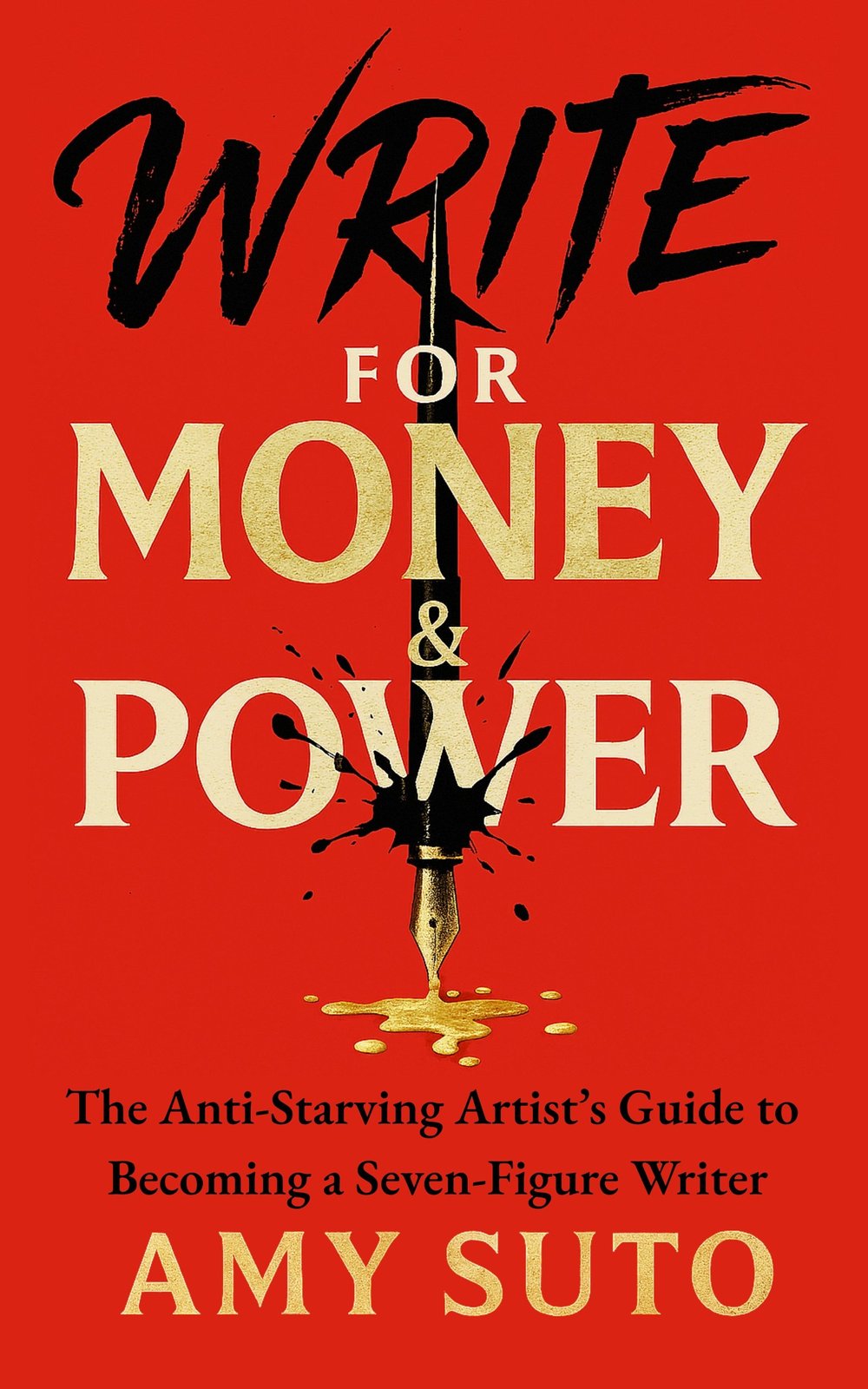
The anti-starving-artist's guide to becoming a seven-figure writer.
MY NEW NOVEL: LET ME BE YOUR GHOST

My romantic thriller arrives November 2026 — a ghostwriter with secrets, a billionaire CEO with more. Preorder one book, get two. Claim your bonus here →
MY ROMANTASY NOVEL: THE ASH TRIALS
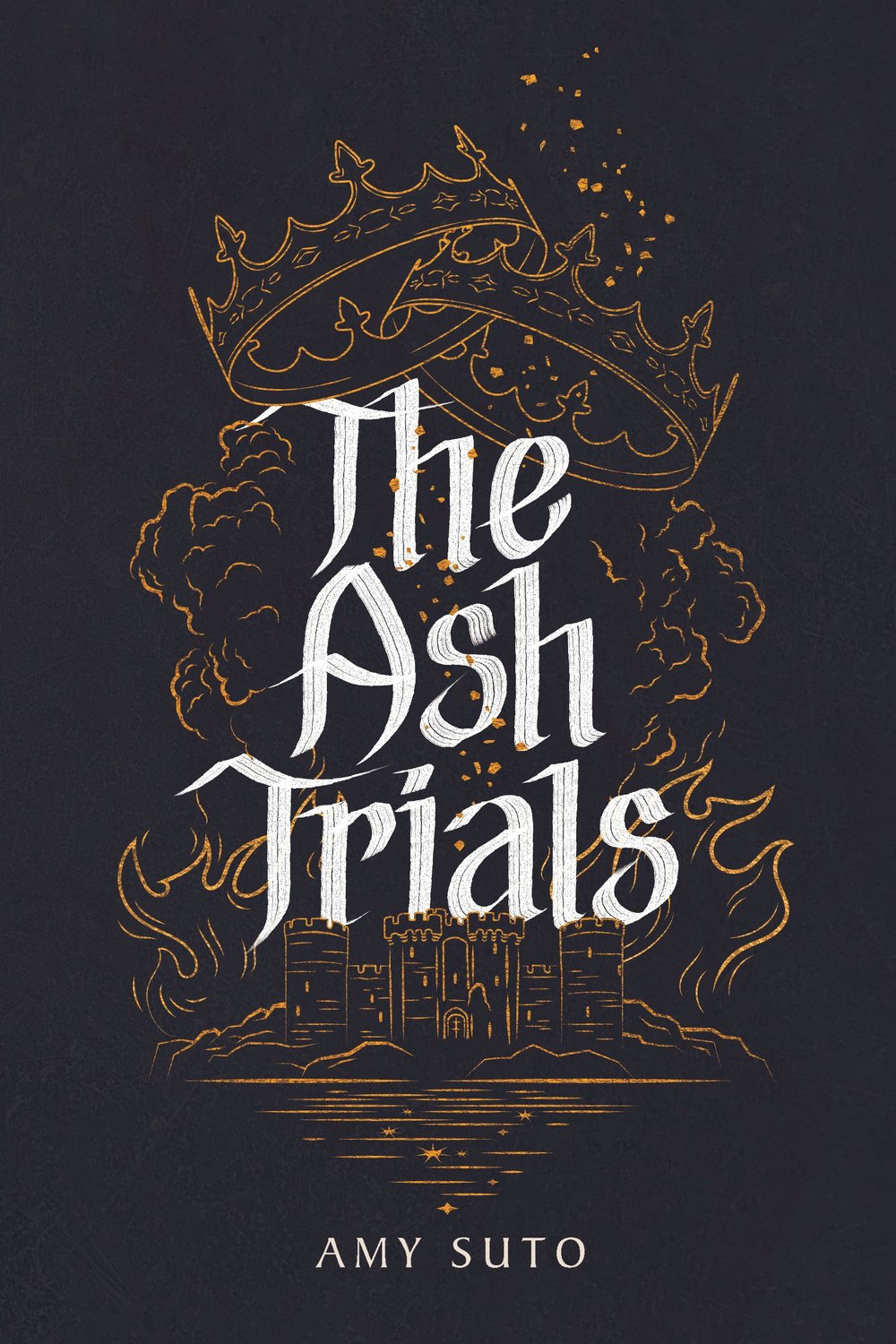
The deadliest game is remembering who you are.
MY DETECTIVE NOVEL: THE NOMAD DETECTIVE

Crime crosses borders, but so does this detective.
MY HOW-TO BOOK: SIX-FIGURE FREELANCE WRITER
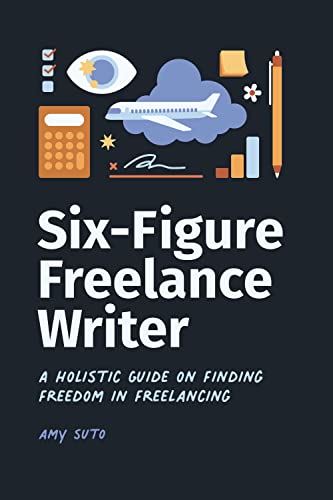
Work smarter, not harder — without the burnout.
RECENT POSTS
JOIN THE WRITING JOB BOARD
FOLLOW ME ON IG @SUTOSCIENCE


![💡 THIS SUNDAY: Substack Lab: Get Feedback on Growing Your Substack! [October Invite to Live Substack Writer's Group on Zoom]](https://substackcdn.com/image/fetch/w_480,c_limit,f_auto,q_auto:good,fl_progressive:steep/https%3A%2F%2Fsubstack-post-media.s3.amazonaws.com%2Fpublic%2Fimages%2Fb21c9f20-498f-4fb8-8813-d109daf33620_1672x941.png)