Remote Writing Jobs: Where to Find Them (Freelance + Staff)

If you’re a writer—copywriter, content writer, journalist, ghostwriter, editor, scriptwriter, UX writer, newsletter writer, or “I can make anything sound good” generalist—welcome.
You’re living through the weirdest, best era of remote writing.
No, really.
AI isn’t “replacing writing” the way some headlines want you to believe. It’s changing the workflow—and the writers who can think clearly, write sharply, and use tools without losing their voice are becoming more valuable. Clients still need human judgment: taste, structure, strategy, humor, nuance, and that magical ability to make someone care.
The writers landing the best remote gigs right now are doing two things:
They’re getting specific (niche + format + outcome).
They’re applying in the right rooms (instead of doom-scrolling job boards for 6 hours).
So let’s talk about how to find remote writing jobs—the good ones—and how to dodge the time-wasting nonsense along the way. If fiction, scripts, or games are the goal, see my creative writing jobs guide.
Where to Find the Best Remote Writing Jobs (Yes, Including High-Paying Freelance and Full-Time)
1) 🧳 Freelance Platforms (Upwork, Contra, Fiverr, etc.)
Freelance marketplaces are like Times Square: bright, loud, and full of people trying to hand you a flyer.
Upwork and Contra are the big ones for writing. You’ll see everything from:
website copy + landing pages
SEO blog posts and content briefs
email sequences and launch copy
brand voice guides
ghostwriting (LinkedIn, newsletters, books)
scriptwriting (ads, YouTube, podcasts)
Pros:
High volume of opportunities
Some long-term clients and retainers
Easy portfolio linking + quick outreach
Cons:
You can burn hours applying to low-budget posts
Some platforms charge you to apply
You’re locked into platform rules and fees
Quality varies wildly (aka: “Write 50,000 words for exposure” energy)
Use platforms if you’re building momentum or need leads fast—but don’t make them your entire plan.
2) 💬 LinkedIn Jobs + The Feed (A.K.A. the Scroll Trap)
Yes, you can find remote writing jobs on LinkedIn.
But you can also lose a whole afternoon to:
vague listings with zero detail
“entry-level” roles asking for 7 years of experience
posts from 2023 that the algorithm resurrects like a haunted puppet
full-time roles disguised as “freelance” (or vice versa)
Still: LinkedIn can be gold if you use it strategically:
Search “remote copywriter,” “contract writer,” “ghostwriter,” “editor,” “content writer,” “UX writer,” etc.
Filter by “Remote” when possible
Follow editors, content leads, and creative directors
Comment thoughtfully (yes, it works)
Turn on job alerts so you’re not manually hunting every day
3) 📣 A Curated Remote Writing Job Board (Curated by Humans, Not Spam)
This is where things get good.
The fastest way to land better remote writing work is to stop sorting through junk and start applying to real opportunities consistently.
A strong writing-focused job board should do a few things well:
filter out low-pay, unpaid, or sketchy listings
prioritize remote-first roles and credible clients
include both freelance gigs and remote full-time/contract roles
post frequently enough that you’re not fighting 5,000 applicants per listing
This is also why curated boards (and curated newsletters) tend to outperform general job sites: you’re not spending your energy finding opportunities—you’re spending it applying, pitching, and getting booked.
4) 💼 Word of Mouth, Referrals, and Inbound (The Slow Burn That Pays Forever)
The best remote writing gigs often come from:
past clients referring you
editors bringing you back
a founder who liked your writing and “has been meaning to hire someone like you”
someone forwarding your post like, “This is the writer I told you about.”
But here’s the catch: you have to be findable.
That means:
a clean portfolio (website, Notion, Contently, whatever—just make it easy)
2–5 strong samples that match the work you want
clear services (or clear role targets, if you want full-time)
a simple way to contact you
proof of results when relevant (metrics, testimonials, before/after)
Remote work runs on trust. Your online presence is doing interviews when you’re asleep.
What Kinds of Remote Writing Jobs Pay Well?
If your goal is higher pay (or just less chaos), these categories tend to pay better—especially when you specialize:
✍️ Conversion copywriting (website + landing pages)
If you can write clear, persuasive pages that convert, you’re a revenue asset—not “just a writer.”
📩 Email marketing writing (newsletters, funnels, product launches)
Brands live and die by retention. Good email writers are rare, and the ROI is obvious.
🧠 Brand voice + messaging (positioning, tone, guidelines)
This is “make the company sound like itself”—and it’s high-leverage. Great for writers with strategy chops.
🔍 SEO content (when it’s actually strategic)
The money isn’t in “write 10 blogs a week.” The money is in:
topics that rank
content that converts
briefs that show intent
writers who can be trusted without babysitting
👻 Ghostwriting (LinkedIn, newsletters, books)
Ghostwriting pays well when you’re writing for people with a platform, a product, or a clear business goal. Voice-matching + consistency is the game.
✂️ Editing (developmental, line, copyediting)
Editors who can make a piece sharper without flattening the voice are always in demand—especially in remote-first publishing, brand content, and thought leadership.
Across the board, specialization is the multiplier. A niche isn’t a cage—it’s a magnet.
FAQs: How to Find Remote Writing Jobs
Q: What’s the fastest way to find remote writing jobs?
A: Apply consistently to curated, writing-focused listings and pair that with outbound pitching. Speed comes from volume and targeting—not random applications.
Q: How do I get clients as a freelance writer?
A: Make your portfolio match the work you want, pick a niche you can explain in one sentence, and do a mix of:
warm outreach (past clients, referrals)
cold pitching (specific, short, helpful)
consistent visibility (LinkedIn, Substack, a simple site)
Q: Can I land remote writing work without “industry experience”?
A: Yes. The shortcut is writing samples that look like the work you’re applying for. Create 2–3 spec pieces in the exact format (landing page, email sequence, article, etc.) and you’ll close the gap fast.
Q: What skills matter most for remote writing jobs in 2025 and beyond?
A: Clear thinking, structure, and reliability—plus:
editing (self-editing is a superpower)
basic SEO literacy (even if you’re not an “SEO writer”)
voice matching
ability to work with AI tools without sounding like AI
strong communication (remote teams run on clarity)
Q: Where do full-time remote writing jobs show up?
A: Company career pages, LinkedIn, remote-first job boards, and curated writing newsletters. Many also show up as “contract-to-hire.”
Ready to Land Better Remote Writing Work?
Scrolling endlessly isn’t a strategy.
The real unlock is being in the right room—where the leads are real, fully remote, and actually pay—then showing up consistently with samples that make the “yes” easy.
That’s exactly why 🛋️ CozyJobs exists.
It’s a job board built for writers who want serious work: freelance gigs, contract roles, and remote full-time opportunities—without the scams, $0.03/word nonsense, or “write this unpaid test” energy.
If you’re ready to stop hunting and start landing, join 🛋️ CozyJobs and get fresh, high-paying remote writing leads matched to your profile daily.

Hello! 👋 I’m Amy Suto. I’m a bestselling author, San Francisco content creator, and co-creator of the job board 🛋️ CozyJobs. Join CozyJobs to browse thousands of jobs and get daily matches to your inbox — writing and creative roles front and center!
GET ON THE LIST
Find your next writing job on 🛋️ COZYJOBS — thousands of jobs on a board updated daily, writing and creative roles front and center. ✨ The application tracker is free (basic CozyApply autofill is too), and paid plans start at $25/month with daily job matches straight to your inbox. Real writers are landing real work—don’t miss out.
FOLLOW ME ON GOOGLE
Add me as a preferred source and Google shows you more of my posts in Top Stories.

MY NEW BOOK: WRITE FOR MONEY & POWER
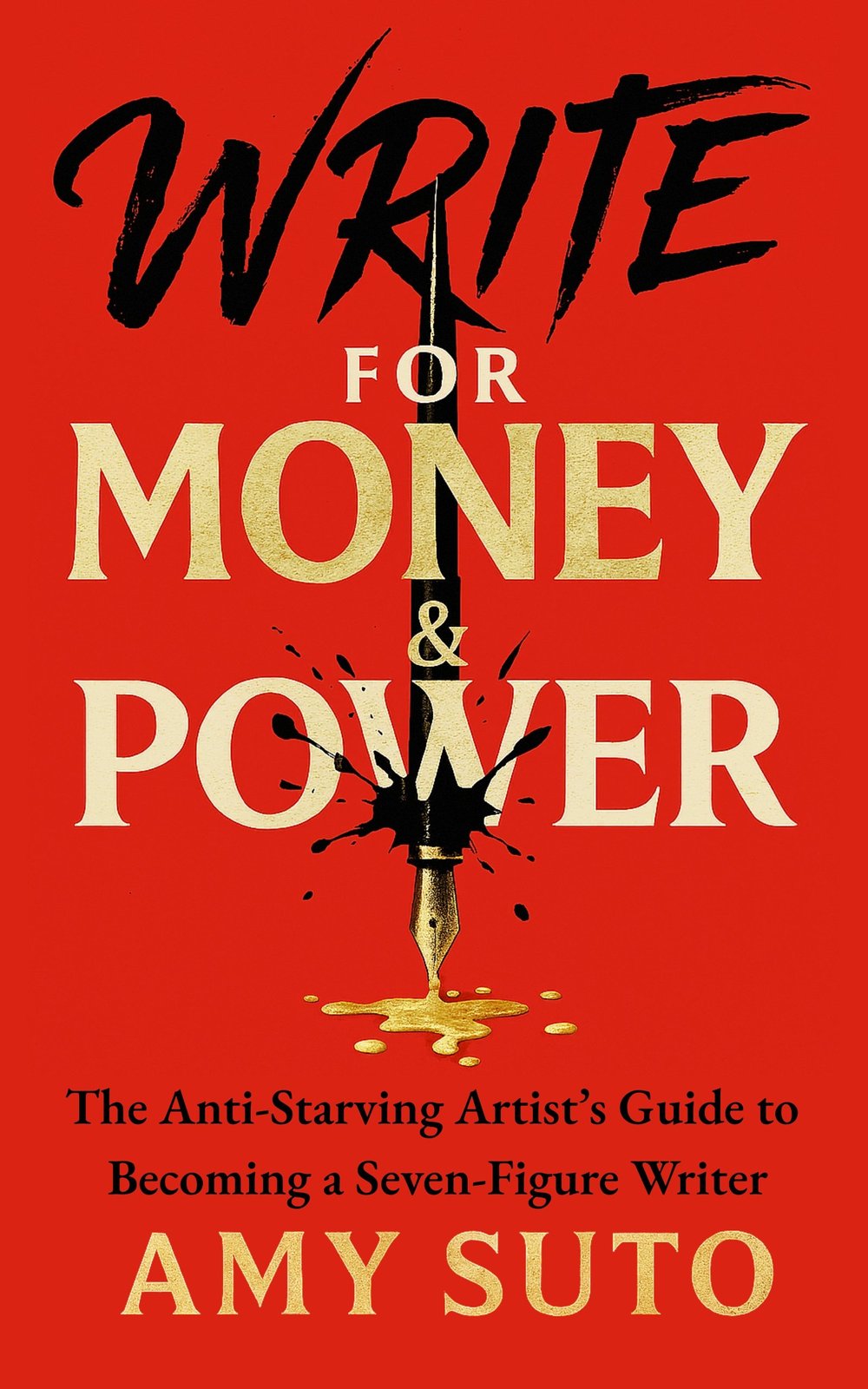
The anti-starving-artist's guide to becoming a seven-figure writer.
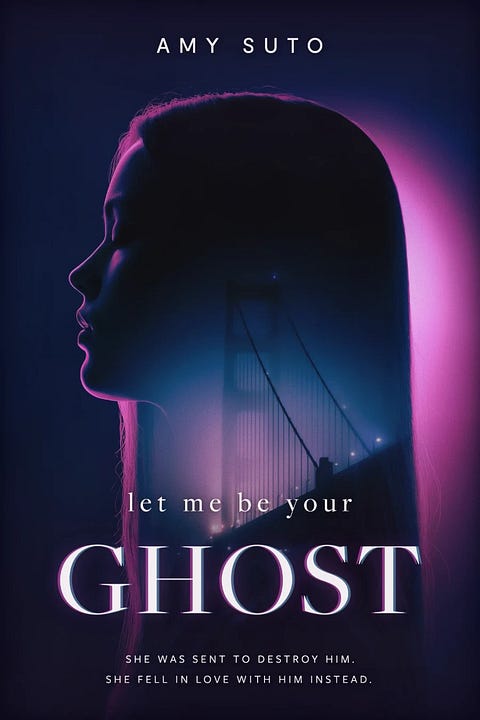
MY NEW NOVEL: LET ME BE YOUR GHOST

My romantic thriller arrives November 2026 — a ghostwriter with secrets, a billionaire CEO with more. Preorder one book, get two. Claim your bonus here →
MY ROMANTASY NOVEL: THE ASH TRIALS
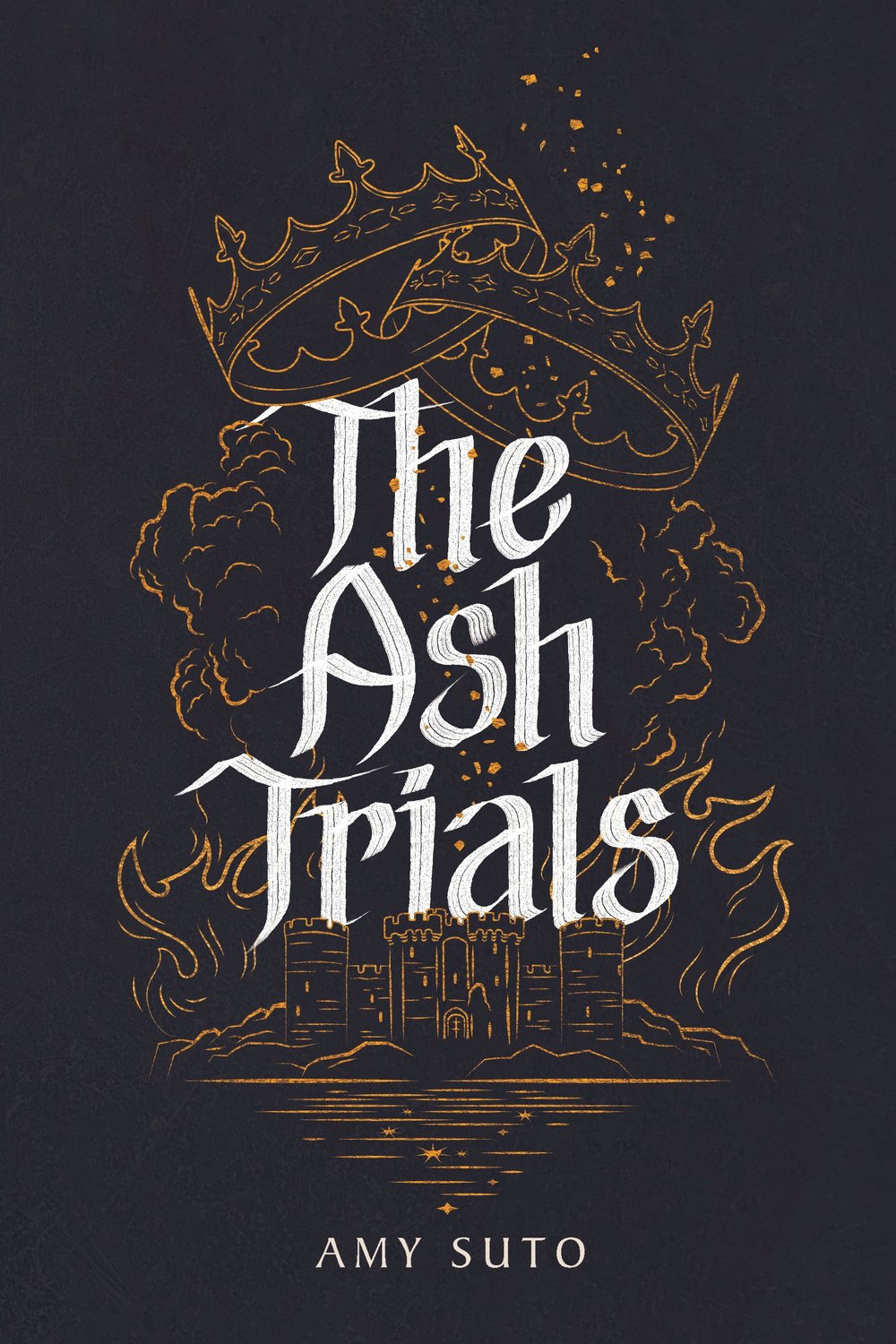
The deadliest game is remembering who you are.
MY DETECTIVE NOVEL: THE NOMAD DETECTIVE

Crime crosses borders, but so does this detective.
MY HOW-TO BOOK: SIX-FIGURE FREELANCE WRITER
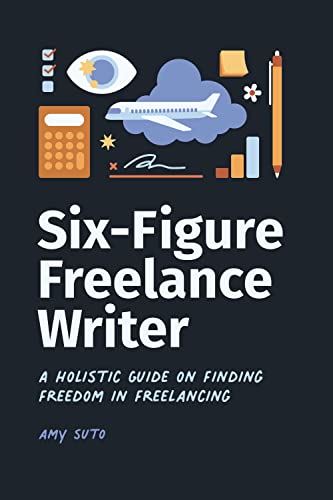
Work smarter, not harder — without the burnout.
RECENT POSTS
JOIN THE WRITING JOB BOARD
FOLLOW ME ON IG @SUTOSCIENCE