
5 Best Job Boards for Remote Full-Time Writers

Are you reading this from a stuffy office where Susan from HR is definitely contagious and your cubicle walls feel like they’re closing in?
Maybe you’ve got your work laptop open in one tab and this post in the other — because you’re losing your mind one browser tab at a time.
You don’t want to spend another year watching your brain melt under fluorescent lights. You want to work from home. You want to write in sweatpants. You want to be there for school pickup, sick days, and slow mornings with your dog curled up at your feet — not trapped in back-to-back in-person meetings about “stakeholder alignment.”
If you’re a writer (or editor, copywriter, journalist, technical writer, content writer — you get it) and you’re craving a full-time remote role, this is your chance. My guide to finding remote writing jobs covers the boards, the platforms, and the scams to skip.
You don’t have to settle for in-office jobs that drain your energy. And you don’t need to keep scrolling job boards at midnight, wondering if anyone is actually hiring remote writers who know what they’re doing.
The truth? Companies are hiring remote writers — full-time. Especially for roles in content writing, copywriting, editorial, technical writing, UX writing, and comms.
So if you’re ready to ditch the commute and start landing a real, remote, full-time writing job, here are the best places to find them.
Scroll if you’re ready to start your WFH career as a remote full-time writer:
How Do You Actually Find Remote Full-Time Writing Jobs in 2025?
If you’ve been Googling things like:
“remote writer jobs full time”
“work from home writing jobs”
“remote content writer jobs”
“remote technical writer positions”
You’re already on the right path.
Most people don’t land great remote roles through luck. They build a system: a few reliable job sources, a simple routine, and a way to apply quickly without spiraling.
Below are five of the best job boards for remote, full-time writing jobs — places where the listings are real and the roles aren’t all “entry-level” while somehow requiring 7 years of experience and a Pulitzer.
#1 — 🛋️ CozyJobs
Best for: Thousands of remote full-time writing jobs, updated daily, minus the landfill.
Full disclosure: my husband Kyle and I built this one. CozyJobs is a job board for writers and creatives with thousands and thousands of jobs on a board updated daily — and unlike most boards on this list, it treats full-time remote, hybrid, and in-person roles as first-class citizens, not afterthoughts.
You’ll see listings across:
content writing + blogs
copywriting and comms + brand writing
journalism + features
editing (copy, line, developmental, proof)
technical writing and UX writing
ghostwriting, social media content, and other writing-adjacent creative roles
The biggest perk: the tools. A free application tracker (yes, actually free) keeps every application in one dashboard. CozyApply, our browser extension, autofills applications from your profile — basic autofill is free. And a daily email matches fresh roles to what you’re actually looking for.
🛋️ Join CozyJobs here ($25/month, or two months free at $250/year) — subscribers have emailed us about landing interviews within days of signing up.
#2 — Upwork
Best for: beginner writers testing the waters, experienced writers adding side income, writers who like systems.
Upwork gets a bad rap — but used strategically, it can be a legit launchpad for remote writing work. I’ve seen new writers land consistent blog retainers, newsletter gigs, ghostwriting projects, and even ongoing copywriting work through the platform.
That said, it’s easy to get lost in the weeds:
🔻 Thousands of low-paying listings
🔻 Spammy clients and race-to-the-bottom proposals
🔻 High fees and a pay-to-pitch system with “Connects”
The key is curation and positioning. If you know your lane, package your services clearly (ex: “B2B SaaS blog posts” or “founder LinkedIn ghostwriting”), and pitch with confidence, Upwork can absolutely work — whether you’re brand new or you’re building a more stable client roster.
Pro tip: if you’d rather skip the pay-to-pitch game, 🛋️ CozyJobs holds thousands of direct-hire roles, updated daily — so you don’t have to scroll past the $25-for-2,000-words nonsense.
#3 — Fiverr
Best for: plug-and-play writing offers and writers with algorithmic patience.
Fiverr is like Etsy for writers: a marketplace where you can list quick-turn services like “I’ll write 10 email subject lines,” “I’ll edit your first chapter,” or “I’ll write 5 product descriptions.”
If your writing service fits into a neat, repeatable box, Fiverr can help you get early traction.
But here’s the reality:
⚠️ Fiverr rewards speed and volume over depth and nuance
⚠️ Rates are often lower than what you deserve
⚠️ Bigger, higher-trust projects can be harder to land there
Most experienced writers I know outgrow Fiverr fast — especially if you’re building a premium, long-term career. Still, if you’re experimenting with service ideas or want to test demand before going all-in, it’s not the worst place to lurk.
And if you’d rather skip the marketplace hustle altogether: 🛋️ CozyJobs rounds up higher-quality writing leads every day so you can spend your time writing, not competing on price.
#4 — Freelancing Females
Best for: community + the occasional great writing or editing gig.
Freelancing Females is part job board, part group chat, part “I cannot believe this client just asked for 12 articles for $300” therapy session.
Their job board features freelance roles across writing, editing, marketing, design, and social media — with a solid number of remote gigs in the mix.
Use this one less as your daily job feed, and more as your supportive freelance co-working club — where you occasionally find a dream client on the bulletin board.
And if you want a steadier stream: 🛋️ CozyJobs does the daily digging and emails you the roles that match your profile.
#5 — LinkedIn
Best for: finding remote writing jobs hiding in plain sight.
LinkedIn is still the best place to stumble into opportunity.
Sure, the “Jobs” tab helps — but the real magic is in the feed. Founders, editors, comms leads, and content managers? They’re posting, venting, and low-key asking for writers.
Here’s how to make it work:
Search posts using keywords like “freelance writer,” “copywriter needed,” “looking for a ghostwriter,” or “need an editor”
Set job alerts for remote writing roles (content writer, copywriter, editor, technical writer)
Follow content directors, startup founders, agency owners, and editors at publications you love
Or, if you’d rather skip the scroll: 🛋️ CozyJobs pulls fresh listings from across the internet every day (and CozyApply autofills the applications — basic autofill is free), so you can apply faster and with way less doomscroll energy.
How to Actually Get Hired for Remote Full-Time Writing Jobs
Finding the job boards is step one. Standing out is the real game — especially because “remote” means you’re competing with more people.
Here’s what moves the needle:
1) Build a portfolio that’s easy to skim
Not a masterpiece. A fast yes.
Include:
3–6 strong samples in the niche you want
clear context (what it was for, what you did, any results if applicable)
a short “about” section that says what roles you’re targeting
2) Make your resume ATS-friendly and human-readable
Remote-first companies often use applicant tracking systems. Use the exact language from the job post (when it’s true for you) so you don’t get filtered out before a human even sees your name.
3) Get good at the writing test (without overworking for free)
Remote writing roles often include a writing test. Keep it clean, polished, and on-brief — but protect your time:
clarify expectations
ask about timeline
keep it tight
reuse frameworks/templates where you can
4) Apply like a person, not a robot
Even a tiny customization helps:
1–2 sentences proving you read the listing
a sentence connecting your experience to their audience or voice
links to relevant samples (not your entire life story)
5) Niche down just enough
“I can write anything” sounds like “I’m not sure what I do.”
Try:
B2B SaaS content writer
consumer lifestyle staff writer
technical writer for developer tools
health + wellness editor
finance copywriter
UX writer
Specific beats generic every time.
✍️ Want Full-Time Writing Jobs Delivered to Your Inbox?
You could refresh LinkedIn every morning while whispering, “please not another hybrid role.” Or you could let CozyJobs do the digging for you.
🛋️ CozyJobs is the job board we built for writers and creatives who want real, full-time remote work — without the spam, the scams, or the “contract-to-maybe” nonsense.
Here’s what you get when you join:
thousands of jobs on a board updated daily — freelance, full-time remote, hybrid, and in-person, with writing and creative roles front and center
a daily email matching new jobs to your profile (so you’re not hunting across 12 tabs)
a free application tracker that keeps every application in one place
CozyApply, our browser extension that autofills applications for you
an Opportunities tab of grants, contests, residencies, and places to pitch your work
And once you land the job? Staying sane in the WFH lifestyle is a whole skill set of its own. Whether you’re writing from your kitchen table, a coworking spot, or from a cute Paris Airbnb — we’ve got the jobs (and the resources) that make remote full-time writing sustainable.
🛋️ Join CozyJobs ($25/month, or $250/year for two months free) and get the remote full-time writing work you actually want — without the doomscroll.

Hello! 👋 I’m Amy Suto. I’m a bestselling author, San Francisco content creator, and co-creator of the job board 🛋️ CozyJobs. Join CozyJobs to browse thousands of jobs and get daily matches to your inbox — writing and creative roles front and center!
GET ON THE LIST
Find your next writing job on 🛋️ COZYJOBS — thousands of jobs on a board updated daily, writing and creative roles front and center. ✨ The application tracker is free (basic CozyApply autofill is too), and paid plans start at $25/month with daily job matches straight to your inbox. Real writers are landing real work—don’t miss out.
FOLLOW ME ON GOOGLE
Add me as a preferred source and Google shows you more of my posts in Top Stories.

MY NEW BOOK: WRITE FOR MONEY & POWER
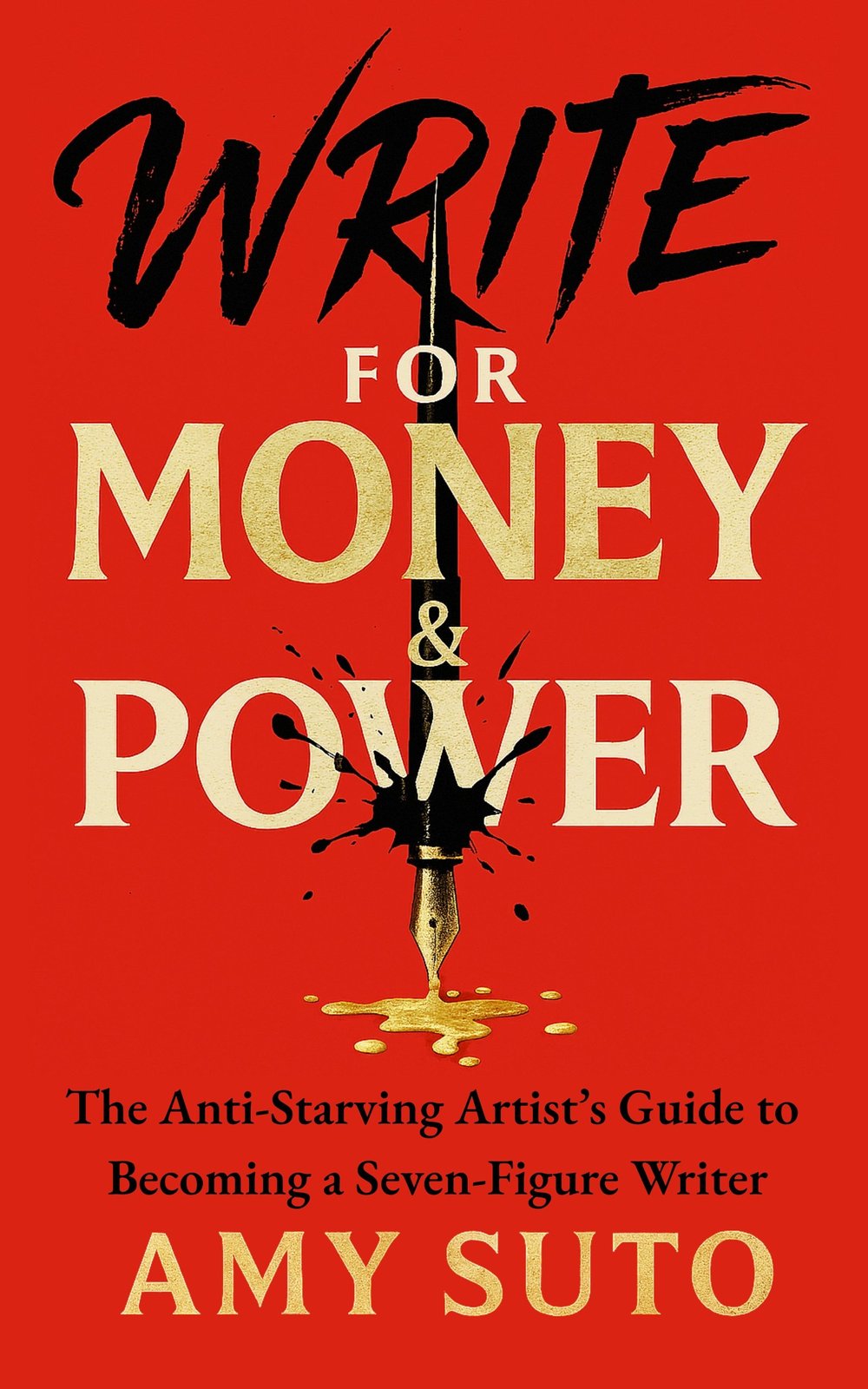
The anti-starving-artist's guide to becoming a seven-figure writer.
MY NEW NOVEL: LET ME BE YOUR GHOST

My romantic thriller arrives November 2026 — a ghostwriter with secrets, a billionaire CEO with more. Preorder one book, get two. Claim your bonus here →
MY ROMANTASY NOVEL: THE ASH TRIALS
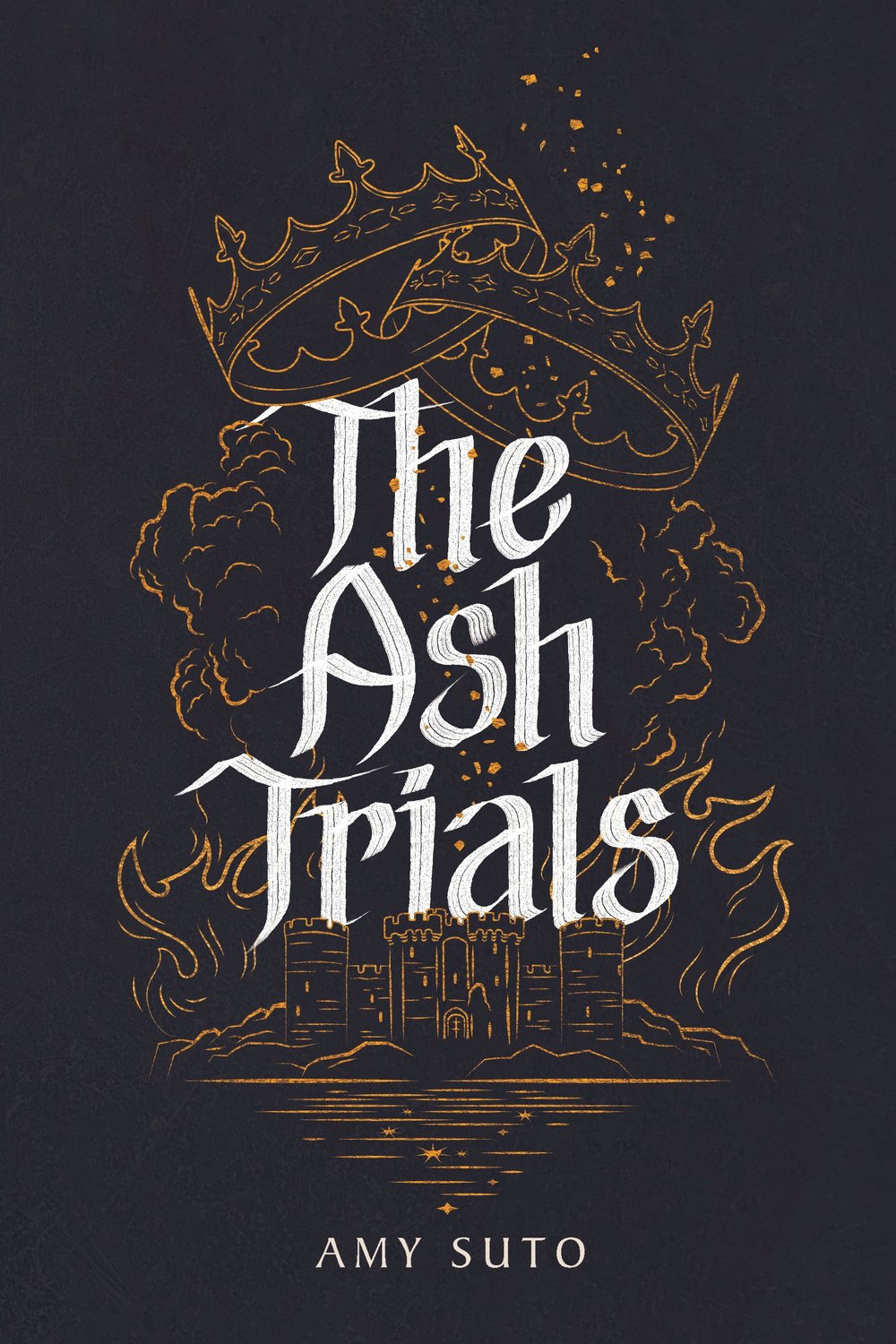
The deadliest game is remembering who you are.
MY DETECTIVE NOVEL: THE NOMAD DETECTIVE

Crime crosses borders, but so does this detective.
MY HOW-TO BOOK: SIX-FIGURE FREELANCE WRITER
Work smarter, not harder — without the burnout.
RECENT POSTS
JOIN THE WRITING JOB BOARD
FOLLOW ME ON IG @SUTOSCIENCE



![💡 THIS SUNDAY: Substack Lab: Get Feedback on Growing Your Substack! [October Invite to Live Substack Writer's Group on Zoom]](https://substackcdn.com/image/fetch/w_480,c_limit,f_auto,q_auto:good,fl_progressive:steep/https%3A%2F%2Fsubstack-post-media.s3.amazonaws.com%2Fpublic%2Fimages%2Fb21c9f20-498f-4fb8-8813-d109daf33620_1672x941.png)