How to Quit Your Full-Time Job and Land Remote Freelance Writing Work in 30 Days

If you’re reading this at your desk — headphones in, Slack pinging, and your manager saying “just circle back” for the third time — this is for you.
You’re burned out. Underpaid. Writing on the side when you can. And somewhere deep down, you’re whispering: I can’t do this anymore.
You’re not wrong. And you’re not stuck.
You can quit your job and land remote freelance writing jobs (the kind that value your voice, your speed, and your brain) in the next 30 days.
The secret? Stop scrolling spammy listings and go straight to one source: 🛋️ CozyJobs — a job board with thousands of jobs that we update daily (writing and creative roles front and center), plus grants and pitch calls in the Opportunities tab. Real jobs. Real pay. Real writers getting hired.
But first, let’s talk about why freelance writing is the escape hatch.
Why Freelance Writing Is the Escape Hatch
After years of freelancing, I can confidently say this: life is better on the outside.
While friends in full-time roles were getting laid off or stuck in long job searches, I kept stacking writing projects (ghostwriting, essays, books, newsletters) and getting paid more to do less busywork. No soul-sucking meetings or office politics. Just real writing and real freedom.
Freelance writing doesn’t just pay better — it gives you leverage. You set your schedule, choose your clients, and build a career that can’t be downsized overnight.
Full-time jobs can be a trap:
🚫 Performative productivity
🚫 “Quick edits” that become entire rewrites
🚫 Zero creative ownership
🚫 Promotions that move at a glacial pace
Meanwhile, freelance writing offers:
✅ Higher pay (when you price like a pro)
✅ Total flexibility
✅ Respect from clients who value output over hours
✅ A portfolio that compounds over time
And here’s the kicker:
Every business, founder, and publication needs writing. Most of them are hiring specialists, not in-house generalists, for blogs, newsletters, website copy, book projects, and thought leadership.
That means clients are actively looking for you.
So let’s get you in front of them. Fast.
Your 30-Day Exit Plan: From Office Life to Remote Writing Work
Week 1: Build Your Portfolio (Without Waiting for a Client)
Let’s clear something up: you don’t need clients to build a portfolio.
Every week, I hear new writers say, “But I haven’t been hired yet — how can I show what I can do?” Easy. You do the thing. Then you document it.
Here’s what that looks like for writers:
Write 2–3 strong sample pieces in the lane you want to be hired for:
A blog post (SEO-style)
A newsletter essay
A landing page or email sequence
A “thought leadership” piece for a founder voice
Create one mini case study:
Goal → Approach → Draft → What makes it work → What you’d improve next time
Now build a simple portfolio.
Not a “look at me” shrine — a client-facing page that answers:
👉 What do you write?
👉 Who do you write it for?
👉 Why should someone trust you?
Tools like Notion, Carrd, Squarespace, or even a beautifully formatted Google Doc are perfect.
Include:
3–5 writing samples (quality > quantity)
A short bio (professional, human)
Your services (be specific!)
A clear way to contact you
Want “real” client work fast? Here’s the move:
Offer a starter package at a discounted rate with the upfront agreement that you can use the work in your portfolio.
But let me say it louder for the writers in the back: don’t work for exposure. If you’re doing good work, you deserve to be paid — even at a starter rate.
Need help finding those early clients? Go to 🛋️ CozyJobs — our job board is full of remote jobs from clients who actually hire writers.
🧭 Week 1 Goal: Publish your portfolio and send 5–7 strong applications.
Week 2: Build Public Proof of Your Writing Skills
Clients Google you — so give them something to find.
This week, keep applying… but also start showing your work in public:
Publish 1 Substack post (or blog post)
Share one “before/after” rewrite on LinkedIn
Post a short thread breaking down how you’d improve a homepage or email
Turn a writing tip into a mini-series (3 posts over the week)
These self-initiated projects are portfolio gold. They give people a reason to reach out.
Don’t aim for perfection. Aim for presence.
🧭 Week 2 Goal: Publish 2–3 pieces and apply to 5–7 more jobs.
Week 3: Double Your Output as a Freelance Writer
Still waiting for something to land? You’re not behind — but it’s time to ramp up.
Apply to 2–3x more jobs (aim for 25–35+ this week)
Pitch directly to founders, editors, or companies (short and specific)
Follow up with anyone who’s gone quiet
Re-share your best writing samples and posts
Momentum is your engine. The more motion you create, the faster something hits.
🧭 Week 3 Goal: Submit 35+ applications, send 10+ pitches, and follow up.
Week 4: Start Creating Opportunities for Yourself as a Writer
You’ve been applying. Posting. Pitching. Now it’s time to flip the script.
Experiment with a simple offer that makes it easy to hire you:
A “Newsletter Jumpstart” package (4 issues + voice guide)
A “Founder Voice” essay package (2 essays/month retainer)
A blog bundle (4 posts/month, niche-specific)
A website copy refresh (homepage + about + services)
Build one landing page that’s specific:
“B2B SaaS Blog Writing” beats “Freelance Writer.”
Now you’re not just chasing jobs. You’re building leverage.
🧭 Week 4 Goal: Launch one offer experiment while keeping applications going.
Do I Need Experience to Get Remote Freelance Writing Work?
Not the kind you think.
You don’t need a fancy degree or permission from an editor-in-chief. You need proof that you can:
Write clearly for a specific audience
Hit deadlines
Communicate like a professional
Take feedback without melting down
If you’ve written something strong (a blog post, an essay, a newsletter, a landing page), you’re already in the game. Now you just need a system to get seen.
📈 Join 🛋️ CozyJobs
If you want real freelance writing jobs, not content mill scraps, join the job board at 🛋️ CozyJobs.
Built by a working writer, for working writers.
Perfect for freelance writers, ghostwriters, newsletter writers, editors, and anyone who wants to get paid (well) for their words.
What’s inside your subscription:
🗂️ Job board 5x/week — curated writing + ghostwriting jobs
🎯 Featured opportunities shared with the community first
🧠 Tips & tools for pitching, pricing, and getting booked out
🔍 No spam — just real listings with real budgets
You don’t need a massive audience. You don’t need to be perfect. You just need one client. One win. One yes — and the engine starts turning.
With the right portfolio, 30 days of focused effort, and the right job board?
Freedom is closer than you think.

Hello! 👋 I’m Amy Suto. I’m a bestselling author, San Francisco content creator, and co-creator of the job board 🛋️ CozyJobs. Join CozyJobs to browse thousands of jobs and get daily matches to your inbox — writing and creative roles front and center!
GET ON THE LIST
Find your next writing job on 🛋️ COZYJOBS — thousands of jobs on a board updated daily, writing and creative roles front and center. ✨ The application tracker is free (basic CozyApply autofill is too), and paid plans start at $25/month with daily job matches straight to your inbox. Real writers are landing real work—don’t miss out.
FOLLOW ME ON GOOGLE
Add me as a preferred source and Google shows you more of my posts in Top Stories.

MY NEW BOOK: WRITE FOR MONEY & POWER
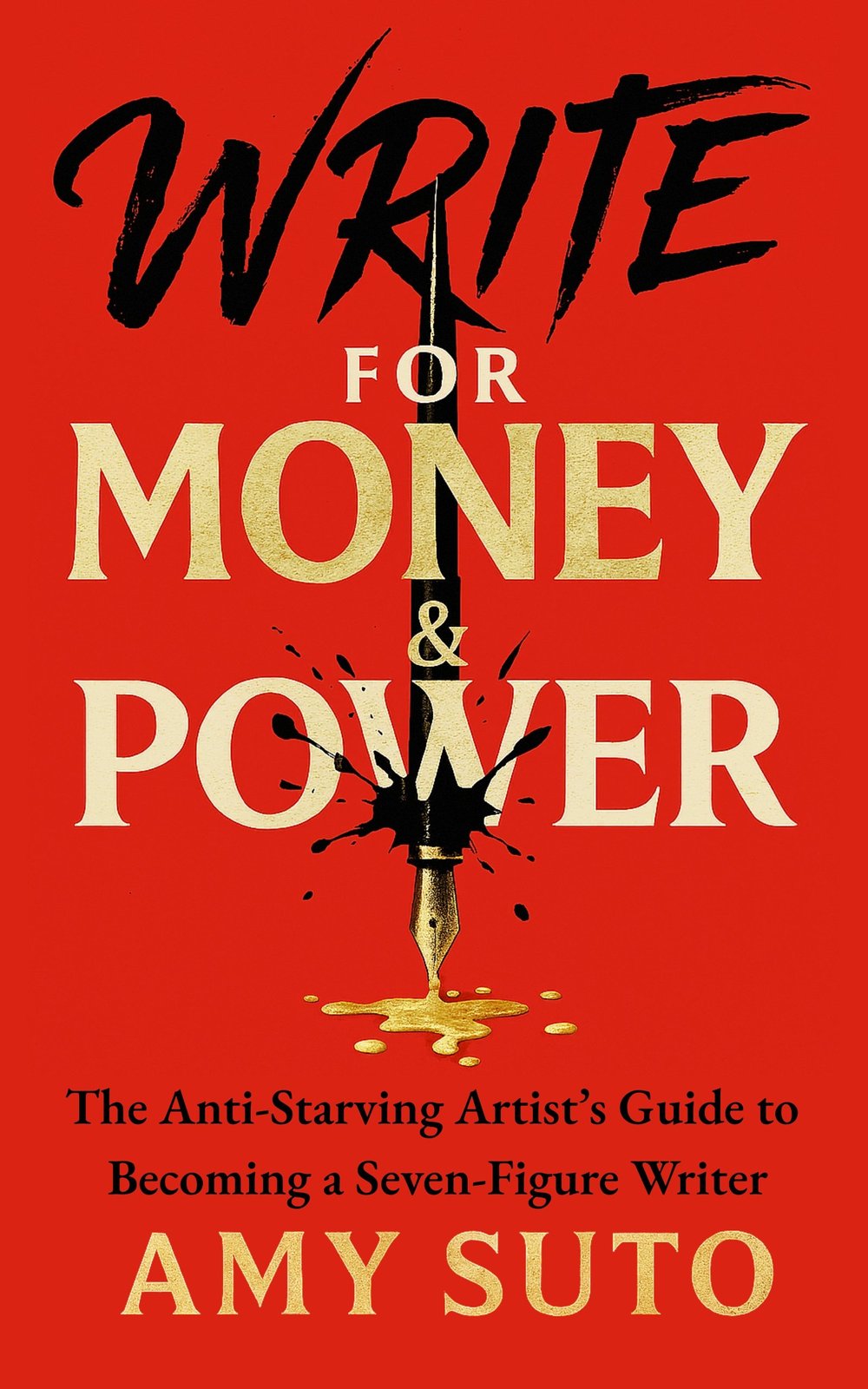
The anti-starving-artist's guide to becoming a seven-figure writer.
MY NEW NOVEL: LET ME BE YOUR GHOST

My romantic thriller arrives November 2026 — a ghostwriter with secrets, a billionaire CEO with more. Preorder one book, get two. Claim your bonus here →
MY ROMANTASY NOVEL: THE ASH TRIALS
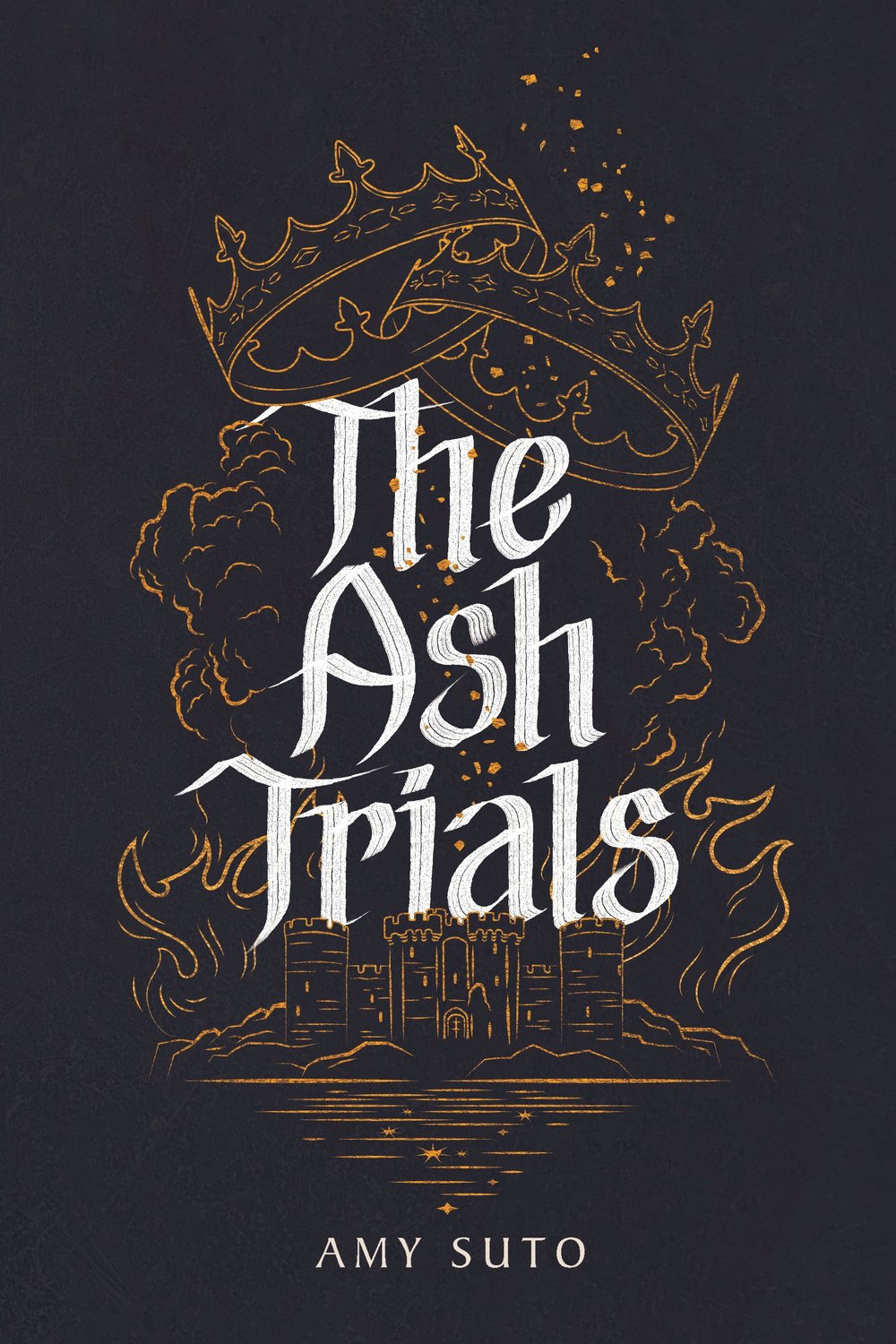
The deadliest game is remembering who you are.
MY DETECTIVE NOVEL: THE NOMAD DETECTIVE

Crime crosses borders, but so does this detective.
MY HOW-TO BOOK: SIX-FIGURE FREELANCE WRITER
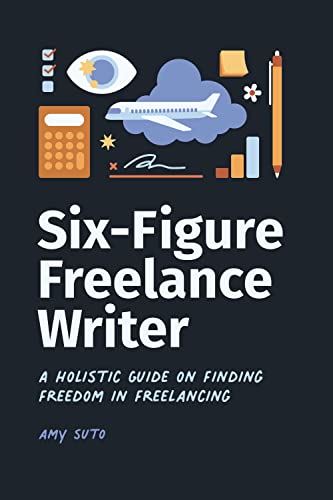
Work smarter, not harder — without the burnout.
RECENT POSTS
JOIN THE WRITING JOB BOARD
FOLLOW ME ON IG @SUTOSCIENCE