How I Put My Rheumatoid Arthritis Into Remission

1 in 3 women will be diagnosed with an autoimmune condition — and I was one of those women.
The first doctors I saw told me I’d be on medication for the rest of my life. Little did they know I’m too stubborn to listen :) It’s been a few years since my diagnosis, but I’m now medication-free and I’ve been in remission for over 2 years.
I wanted to make a cheat-sheet of all of the things that helped me the most if you’re dealing with an autoimmune condition.
But first, the process that worked for me went like this:
Identify the root cause of your illness through elimination diets (if you can have a nutritionist help you, even better) and food sensitivity testing (I used Everlywell and found it was very accurate)
Remove the parts of your life, diet, and lifestyle that are keeping you sick (I quit alcohol, went 90% vegan, gluten-free, and kept my activity levels up with strength training, cardio, and walking 10k steps per day). I also spent months in Europe which I recommend for both health reasons (my blood test results were AMAZING after eating nothing but pizza for three months in Italy) because the quality of food and produce in Europe is just unmatched
Regulate your nervous system and remove stressors where you can, even if it means changing your environment
Create space to heal using an anti-inflammatory diet, meditation, journaling, rooting down into a community (I traveled the world to find my favorite healing modalities)
It’s simple but not easy — ask me how I know, and I’ll tell you about the time I cried over not being able to have bagels! 🙃
Below are the things that helped me, and just a reminder that I’m just a writer, not a doctor. I had no interest in being in school for that long! So always consult a medical professional before starting any new health things, and remember this is just my experience and might not work for you.
The Diet & Lifestyle Changes That Helped The Most for Reversing My Autoimmune Disease
Everyone’s diet and lifestyle is going to look different as there’s no one-size-fits all. I took an Everlywell test that was scarily accurate and learned a lot about my food sensitivities. Food sensitivities can also change over time, so being in-tune with your body matters when you’re doing these tests or trying elimination diets.
But from my research and experience, here’s what worked for me:
No alcohol. Alcohol is inflammatory, bad for you, and can cause mood swings. I used to drink quite a bit in my 20s, and I gave up alcohol years ago and never looked back. These days I enjoy a good mocktail and love sparkling water with a bit of lime.
No coffee. This one was a tough one because I ~ love ~ a caffeinated beverage, but the acidic nature of coffee wasn’t doing me any favors. Plus, excessive caffeine can do a number on your nervous system and make you feel disregulated. I switched to matcha, earl grey/London Fogs, and chai lattes to get my coffee fix. Just a reminder that matcha and green tea both block iron absorption, so don’t have them within 30 minutes of meals and rotate your tea selection so you don’t get an iron deficiency like I did.
Herbal teas. I also used teas like nettle, chamomile, hibiscus (among others) for their different properties to help me heal. Get loose leaf tea and use a metal tea strainer if you can to help reduce microplastic exposure.
Vegan, gluten-free diet focused on whole foods and plant proteins. It’s so annoying but unfortunately a vegan, gluten-free diet was the only diet that I can maintain low-to-no inflammatory markers here in the States, but in Europe I can run around and eat pizza and be fine! And when I tell you I liked bread, I mean I LOVED BREAD. BREAD WAS LOVE in my world. I grew up eating bagels on weekends and would do unspeakable things for a fresh croissant. But alas, the universe said ~ no ~ and here I am.
Juicing and sprouting. I grow broccoli sprouts on my counter with a mason jar sprouting kit (when I remember to) and pop them in smoothies and in recipes. Sprouts are great at detoxing your body and providing lots of nutrients. I also have a great masticating juicer (aka: no heat so it preserves the nutrients in whatever you’re juicing) and do lots of celery, cucumber, and carrot juices.
Increasing my exercise with 3-4 days of strength training each week, 4 45-minute zone 2 cardio sessions, 1 high-intensity 35+ minute cardio session, and stretching frequently with 1-2 yoga classes per week while also doing 10,000 steps per day. I regret to inform you that raising the bar on how much exercise I do in a week really DID work. I thought I was active before, and some days I was — but I was never consistent enough to see the results I’ve been seeing now. To help you get 10,000 steps, I recommend using an under-desk treadmill paired with a standing desk to get your steps in if you work at your computer frequently. I love this standing desk from branch.
Seriously, strength train. The strength training and doubling down on seeing muscle growth also improved my overall health as more muscle = better life. Muscle mass is so important and as a bonus side effect it also makes you look more lean. I had to increase my protein quite a bit to see measurable gains (in the 80g-120g range per day) and this is the best protein powder I’ve found for value, cost, and quality. You can’t really taste it in a mango + kale + banana smoothie!
I remember when I was getting the advice to do all of these things, I was like “ummm with what time exactly???” but I just ended up making the time. When your health is on the line, you’ll do anything to fix it and find a way — even if you end up waking up earlier.
The Supplements That Worked The Best for Putting My Rheumatoid Arthritis into Remission
Supplements are here to help — but they’re not a magic “cure all” by any means and they can’t cancel out a bad diet or a lack of movement or exercise.
However, based on my blood tests and the things that helped me, here’s what really worked:
Creatine. I used to think that creatine was for body builders, but taking creatine as a vegan gave me huge mental clarity, tons of energy, and also helped me feel and look more “toned.” I take 5g per day with food (your stomach can get upset without it.) This is the best quality creatine I’ve found.
Vitamin D. I had a vitamin D deficiency, and taking vitamin D3 + K helped so much with energy and boosting my metabolism. I have to get my vitamin D levels checked by my doctor on this supplement with blood draws, as you can overdo it with this.
Multivitamin. While the benefits of multivitamins have been debated, I find them to be really helpful, and there is research showing that it does help. This is one that I take.
Algae Oil / Flax Oil and chia seeds. Omega 3’s are key for healing, and I put chia seeds in my smoothies and supplement with algae oil. Flaxseed oil is also great.
B-Complex. Another short-term supplement that I was told can help women transitioning off of the birth control pill. As a vegan, vitamin B12 is important, so I took this during the beginning of my journey before moving on to eating B12-fortified nutritional yeast instead. (Nutritional yeast is a cheese-like topping — great for lots of savory dishes and especially tofu scramble! Here’s the best quality nutritional yeast on the market.)
Magnesium. When I was having a lot of anxiety, this did wonders for me. Different formulations/types of magnesium are important, this is the one I took before bed. I’ve heard that too much magnesium supplement can deplete copper, so I don’t take too much magnesium these days as I’ve healed my deficiency. But if you have a deficiency (and most people do) the first night of sleep after taking magnesium will feel like you’ve never lived or seen in full color! It’s truly insane and a crime nobody told me about this earlier.
NAC. This was a great short-term supplement (I took for about 6 months) to help reduce inflammation and help with detoxification, but not necessarily one to take long-term.
Glutathione Patches. My doctor prescribed these for me, and they were a huge benefit for detoxing. This is another one I took for just a shorter period of time.
Curcumin. This is the brand I love of curcumin (i.e. high-dose turmeric) I’ve used for years to also keep my inflammatory markers down.
Probiotics. This is the brand that came highly recommended that I’ve also used for years. While this isn’t a substitute for eating fermented foods (pickles, kimchi, miso, etc.) it’s a great addition. It’s said that most autoimmune conditions start with leaky gut, a condition worsened by things like gluten and dairy in lots of patients. Probiotics and fermented foods can help heal your gut lining, and they made a big difference for me.
Other Holistic Practices That Made a Big Impact on My Healing
Addressing the root cause of illness is important, but there’s also a bunch of small things that actually did help incrementally move the needle for me, also.
Here’s some of the other changes I made that worked wonders:
Lymphatic drainage. I use a dry brush before hopping in the shower to drain my lymphatic system. I jokingly call forms of lymphatic drainage (i.e. dry brushing, massage, ball rolling) “draining the valve!!” because your lymphatic system needs help draining to remove toxins from your body and keep things moving.
Castor oil packs. This is a detoxing practice I did religiously and it worked wonders. Here is an article about how to set up a castor oil pack (TL;DR you basically soak the cloth in organic castor oil and slap it on your liver underneath a non-electric heating pad!) and this is the brand I like the most. Make sure to use organic cloths (so you don’t add toxins with polyester/plastic-based cloths) and if you have a period avoid using it during menustration. Often, castor oil packs are recommended for use during the change of a season to help with detoxing.
Swapping polyester/plastic-based fabrics for cotton and natural fabrics. I’m still working on this, but I’ve been slowly transitioning my wardrobe to natural fabrics like cotton and linen. This is a challenging one (especially with activewear!) but I’ve been shopping brands like Indigo Luna (for activewear), Doen (for dresses), pact (for underwear and basics), and Uniqlo (for basics) to get to cleaner fabrics.
Swap all plastic for glass, and swap toxic “nonstick” pans for metal and cast iron. I ~ loved ~ my nonstick coookware, but I love being healthy more. Reducing PFAS/plastic exposure is important, and I’ve come to love my cast iron pan. As a bonus, women are often iron deficient and cast iron pans help a ton with increasing iron without having to take a supplement.
Minor shout-out to meditation. I’m not a “good” meditator in general — but I do both journaling and meditation when I need it, and I enjoy it as a supplementary practice or a nice part of a yoga class.
I’ve also tried some red-light therapy which had a small impact.
Mindset Matters When Reversing an Autoimmune Condition
This is going to sound woo-woo or spiritual, but the most important thing I did for my healing was to believe that I could heal.
Our minds are incredibly powerful, and once I believed I could heal and repeated mantras over and over to myself before going to bed (“I am healthy, I am healed”) my body began to follow suit.
It took a long time for you to get sick, and it (could) take some time for you to get healthy — but who knows? Maybe your journey will be faster than mine, especially if you believe it will 😊 But don’t get frustrated if you feel like things are taking some time to change.
My Favorite Books for Healing Mind, Body, Soul, (And Helped Me Get Over My Bagel Addiction)
How Not to Die by Dr. Michael Greger. Best overall book on diet, especially if you’re open to going more plant-based.
Goodbye Autoimmune by Dr. Brooke Goldner. A pep talk and a straightforward guide on healing all-in-one, I love this book and her book Goodbye Lupus and would recommend them both (even if you don’t have lupus.) I still swear by her supersmoothie recipes and it’s a great simple guide for healing.
The Immune System Recovery Plan by Dr. Susan Blum. The best book specific to understanding how autoimmune conditions work if you’re wanting more information. If you’re feeling overwhelmed, skip this book in favor of the first two.
The Untethered Soul by Michael A. Singer. My favorite book on meditation, reading this is much like a meditation within itself.
Women Who Run With Wolvesby Clarissa Pinkola Estés PhD. This book fed my soul, and it’s a collection of folklore that feels like a thoughtful self-care collection.
Here’s an Interview I Did with My Doctor On His Podcast
Dr. Yu was the one doctor who actually listened to me and helped me find integrative medicine approaches to heal my condition. I credit my work with him as a huge factor in my recovery.
Here’s a video interview I did with him recently with more on what worked for me!
Best of luck on your healing journey — I’m rooting for you.
-Amy
Need a More Flexible Job?
You know the spiral: 47 tabs open, the same resume copy-pasted into 12 different forms, every "we'll be in touch" disappearing into the void. Upwork feels like a hunger games. LinkedIn easy-apply is a black hole. Your tracking spreadsheet has its own tracking spreadsheet.
Job hunting shouldn't feel like this.
That's why we built 🛋️ CozyJobs — the coziest job corner of the internet for finding (and actually landing) your next role. Best jobs on the web, autofilled applications, one place to track every move (with a lofi soundtrack to keep you in the zone).
Here's everything tucked inside:
🌐 Best Jobs on the Internet — curated remote, freelance, and full-time roles from across the web, all pinned to one tidy board
📌 One-Click Autofill — on supported sites, apply with a single click. No more typing your address for the 800th time
📋 The Cozy Tracker — every application pinned to your corkboard so you always know what's out there (and what's ghosting you)
🧠 Smart Job Matching — AI that surfaces roles that actually fit you, not just keyword soup
👤 Multi-Profile Support — different resumes for different vibes, swap with a click
📥 Save From Anywhere — drop in listings from LinkedIn, Indeed, or that random thread a friend sent
🎧 Lofi Job Hunt Radio — chill beats to bop through your search. Because applying shouldn't feel like a tax audit
Try CozyJobs today — bring the calm to your job hunt and see what happens.
Because job hunting is hard enough, the tools shouldn't make it harder. See you on the couch. 🛋️
Hello! 👋 I’m Amy Suto. I’m a bestselling author, San Francisco content creator, and co-creator of the job board 🛋️ CozyJobs. Join CozyJobs to browse thousands of jobs and get daily matches to your inbox — writing and creative roles front and center!
GET ON THE LIST
Find your next writing job on 🛋️ COZYJOBS — thousands of jobs on a board updated daily, writing and creative roles front and center. ✨ The application tracker is free (basic CozyApply autofill is too), and paid plans start at $25/month with daily job matches straight to your inbox. Real writers are landing real work—don’t miss out.
FOLLOW ME ON GOOGLE
Add me as a preferred source and Google shows you more of my posts in Top Stories.
MY NEW BOOK: WRITE FOR MONEY & POWER
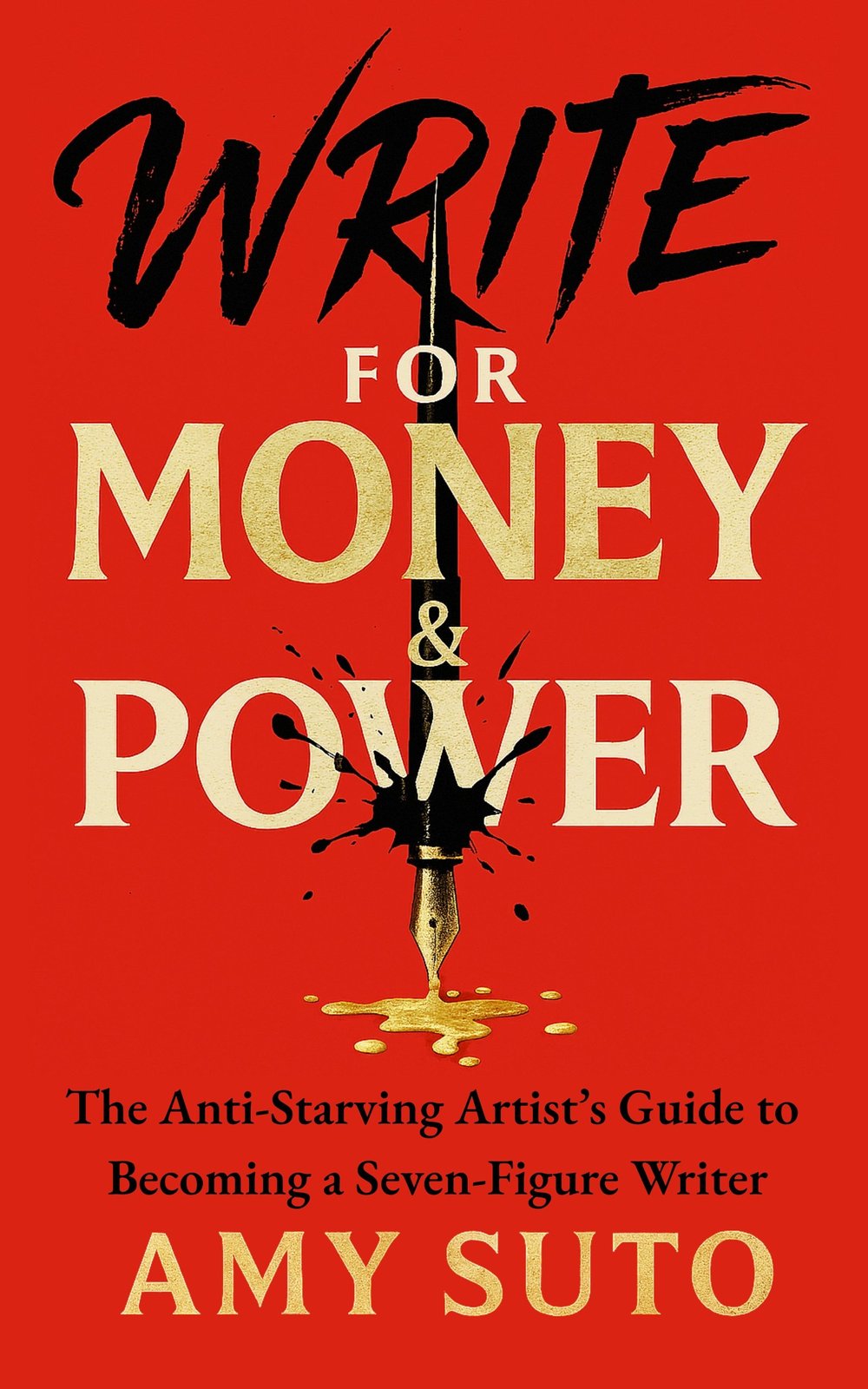
The anti-starving-artist's guide to becoming a seven-figure writer.
MY NEW NOVEL: LET ME BE YOUR GHOST

My romantic thriller arrives November 2026 — a ghostwriter with secrets, a billionaire CEO with more. Preorder one book, get two. Claim your bonus here →
MY ROMANTASY NOVEL: THE ASH TRIALS
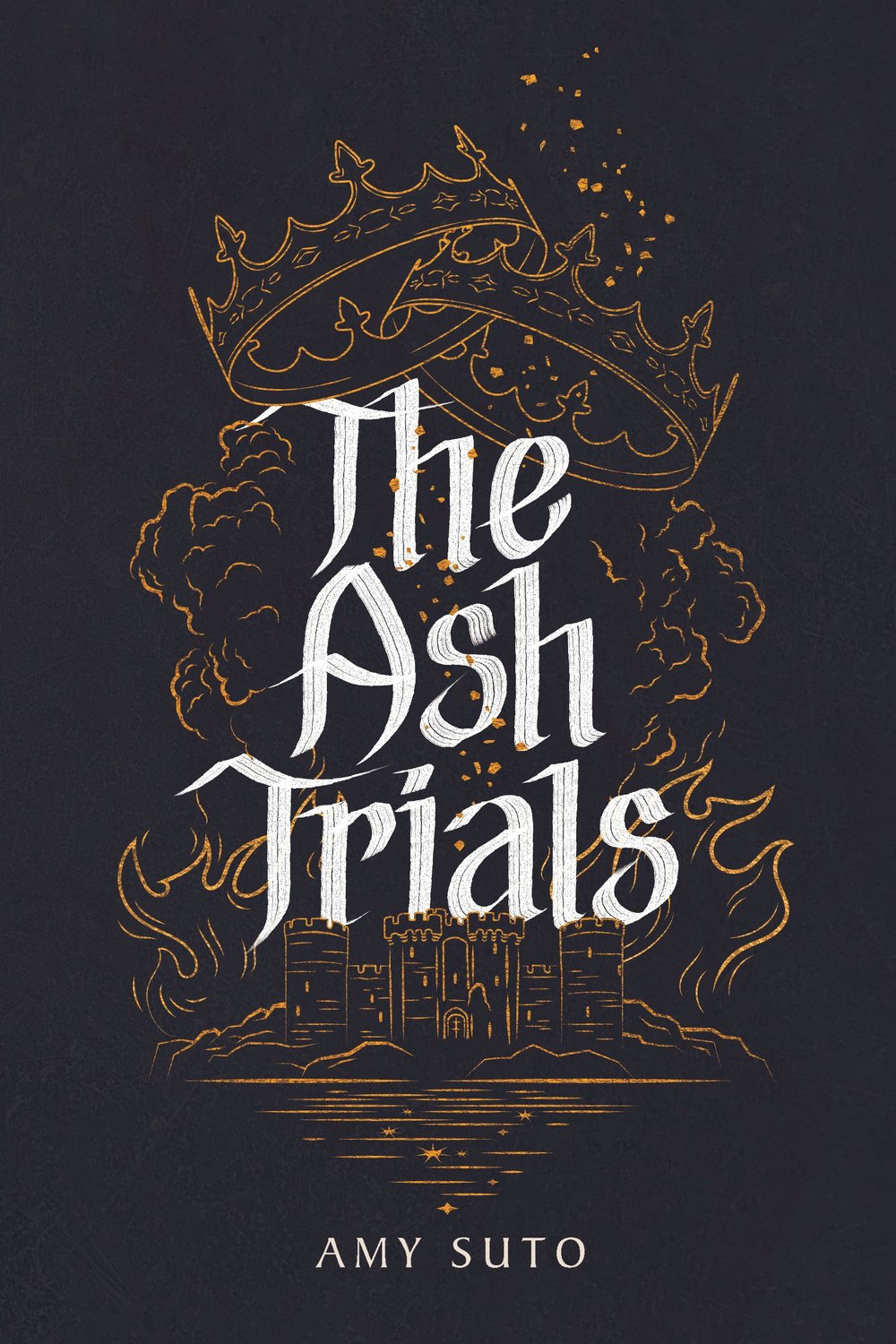
The deadliest game is remembering who you are.
MY DETECTIVE NOVEL: THE NOMAD DETECTIVE
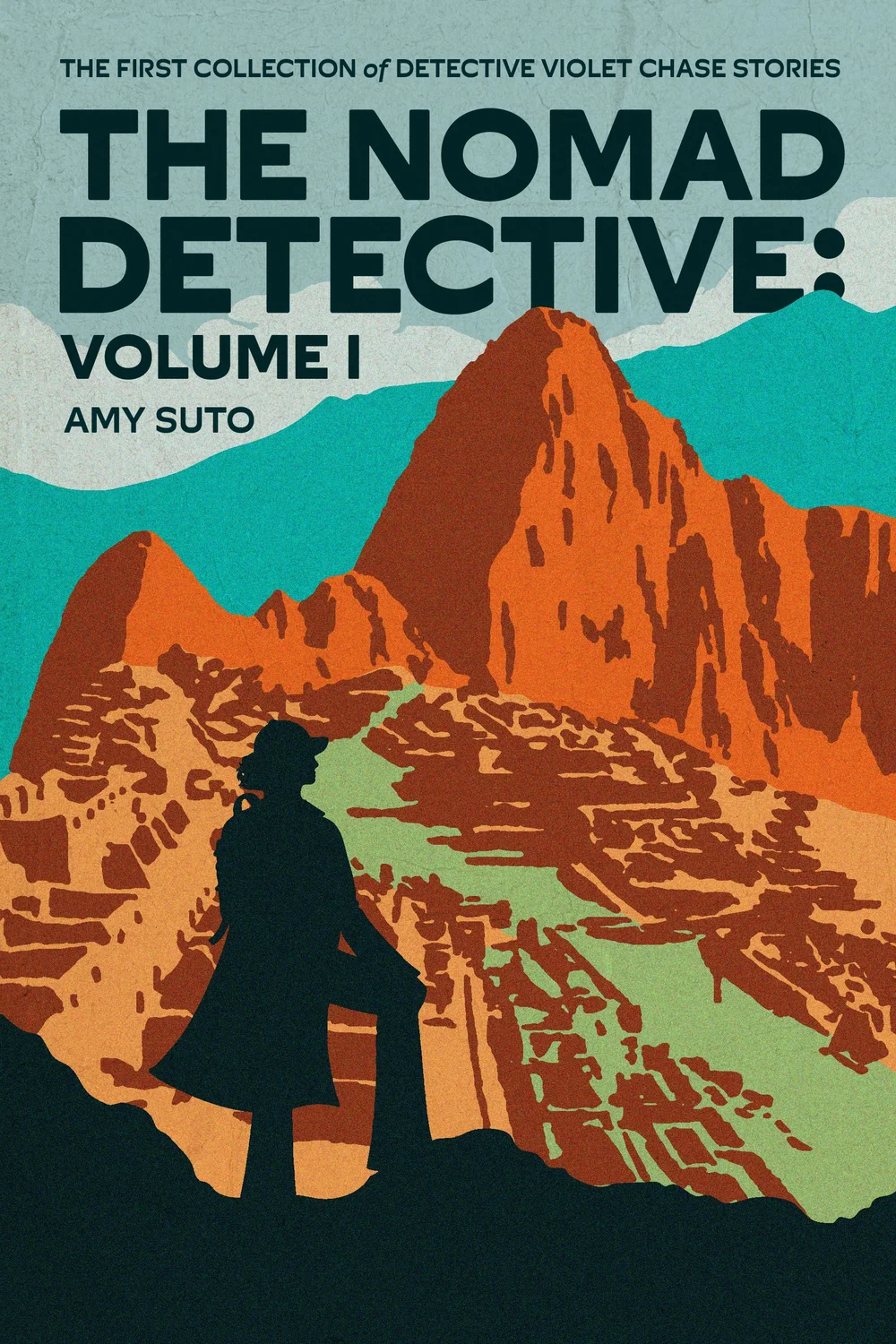
Crime crosses borders, but so does this detective.
MY HOW-TO BOOK: SIX-FIGURE FREELANCE WRITER
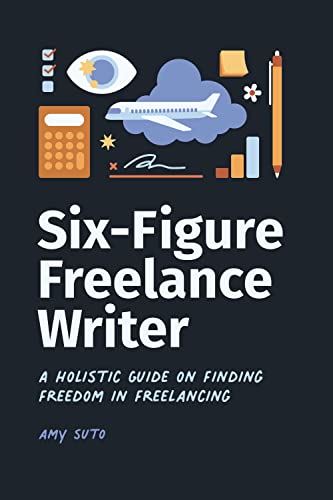
Work smarter, not harder — without the burnout.
RECENT POSTS
JOIN THE WRITING JOB BOARD
FOLLOW ME ON IG @SUTOSCIENCE