Travel Guide: Shenzhen, China
Want to get paid to write while traveling the world? That’s what I do — and you can, too. Join 🛋️ CozyJobs and get access to thousands of jobs on a board updated daily (high-paying remote writing roles front and center), daily matches to your profile, and the grants and pitch calls that fund your next adventure.
Now, onto Shenzhen — a city I wish someone had warned me about.
About Shenzhen, China: A City Made for Office Workers
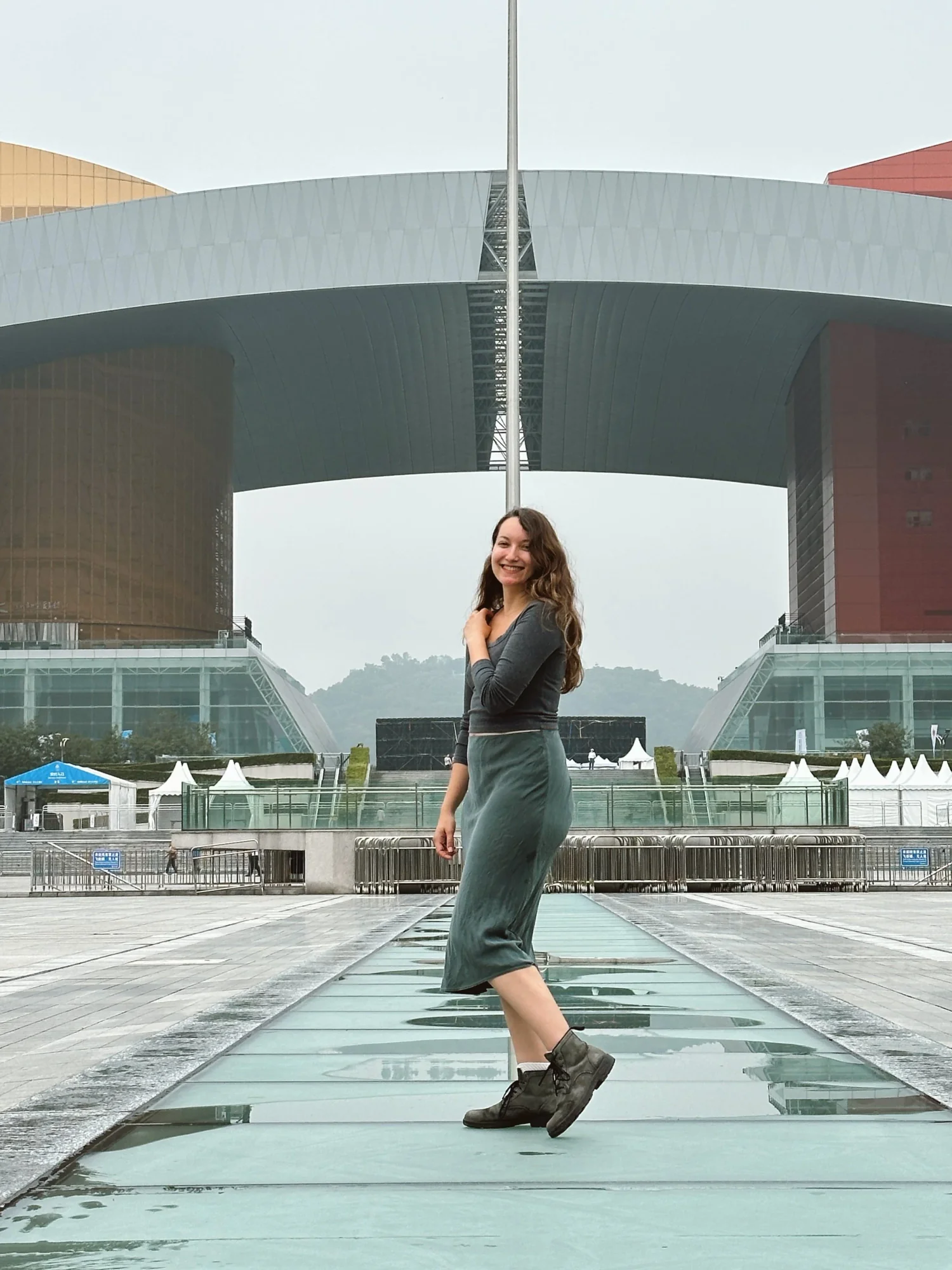
Shenzhen is often marketed as the Silicon Valley of China. It’s where the country’s tech boom exploded in the ’80s after becoming a special economic zone, and now it’s home to massive companies like Tencent and DJI. Bordering Hong Kong, it’s a modern metropolis built in record time — with futuristic skyscrapers, vast office parks, and… a baffling number of malls.
I came here expecting innovation, sleek robotics demos, and a peek behind the curtain of China’s hardware capital. What I got was construction noise at 9 p.m. on a Sunday night and an electronics mall full of off-brand smartwatches and knockoff AirPods that cost more than they do on American Amazon.
Things to Know About Traveling to Shenzhen, China
If you’re coming here hoping to:
Fill a suitcase with affordable drones and gadgets?
Marvel at mind-blowing robotics?
Have a culinary awakening?
You’re likely going to be disappointed.
Here’s the real deal:
Skip the electronics malls. Huaqiangbei sounds legendary online, but in person? It’s five floors of copy-paste plastic parts and overpriced knockoffs. If you want cheap tech, American Amazon (with reviews!) is still the winner — especially with cashback perks if you have Amazon’s no-fee credit card that gives you a percentage back with every Amazon and Whole Foods purchase (easily the best credit card I have in my arsenal.)
No, there aren’t self-driving cars everywhere. Despite the hype, I didn’t see anything here more futuristic than what’s already in San Francisco. No waymos here! Maybe the self-driving cars are hiding or not rolled out for the public here, yet, but overall I was hoping to see more high-tech products.
The museums are… interesting. We went to the free Shenzhen history museum hoping to learn how the city became a tech giant — but instead found exhibits blaming all of China’s past woes on foreign interference. Not exactly the nuanced overview we were hoping for.
The city is extremely spread out. Getting anywhere takes forever. There’s no real center. It feels like someone scattered a bunch of office parks across an empty grid and called it a city.
Where to Stay in Shenzhen
FAQ: Visiting Shenzhen, China
Is Shenzhen Worth Visiting for Tourists?
For most travelers, honestly, no. The city is extremely spread out with no real center, and the tech scene is less futuristic in person than the marketing suggests. Visit if you’re doing business here, or as a quick stop before the 15-minute train to Hong Kong.
Is the Huaqiangbei Electronics Market Worth It?
I’d skip it. In person it’s five floors of copy-paste plastic parts and knockoffs that often cost more than the same gadgets on American Amazon, where you at least get reviews.
Where Should You Stay in Shenzhen?
Stay near the Futian or Nanshan districts. You’ll be closer to anything worth doing and cut down on metro time in a city where getting anywhere takes forever.
Which China City Should I Visit Instead of Shenzhen?
My honest ranking after a six-week China trip: go to Beijing for history, Shanghai for style, and Chongqing for chaos (the good kind).
We were originally booked at the ICON hotel, which looked beautiful online — until the construction symphony started blasting outside our window. At 9pm. On a Sunday. We bailed and moved to another hotel that was just… fine. And in a forgettable area. So I won’t bother linking either.
Shenzhen has plenty of hotel options, but none I experienced felt special enough to recommend. If you do go, stay near the Futian or Nanshan districts to be closer to anything worth doing (and cut down on metro time).
Places I Didn’t Go — But You Might Want To
To be fair, we didn’t hit every spot. Here’s what we skipped — and what might make Shenzhen more worthwhile for you:
OCT Loft Creative Culture Park — supposedly a trendy, artsy zone with indie cafés and art galleries. If Shenzhen has soul, this might be it.
Dafen Oil Painting Village — famous for mass-produced Van Gogh replicas, but also a place to watch painters at work and maybe find something original.
Window of the World — a theme park with miniature versions of global landmarks. Could be fun if you’re into kitsch or have kids.
Shenzhen Bay Park — a long seaside promenade that’s supposed to be scenic at sunset. We were too burnt out from malls to make it here.
Overall Thoughts on Shenzhen
Shenzhen felt like a city still trying to decide what it wants to be. It’s shiny but soulless. Dense but disjointed. Innovative in theory, but underwhelming in practice. If you’re traveling China and choosing between cities, I’d say:
Go to Beijing for history.
Go to Shanghai for style.
Go to Chongqing for chaos (the good kind).
Go to Shenzhen if you’re… doing business here. Or want to take the 15-minute train from here to Hong Kong.
Otherwise? Pass.
Want to get a Remote Job and Travel the World?
You know the spiral: 47 tabs open, the same resume copy-pasted into 12 different forms, every "we'll be in touch" disappearing into the void. Upwork feels like a hunger games. LinkedIn easy-apply is a black hole. Your tracking spreadsheet has its own tracking spreadsheet.
Job hunting shouldn't feel like this.
That's why we built 🛋️ CozyJobs — the coziest job corner of the internet for finding (and actually landing) your next role. Best jobs on the web, autofilled applications, one place to track every move (with a lofi soundtrack to keep you in the zone).
Here's everything tucked inside:
🌐 Best Jobs on the Internet — curated remote, freelance, and full-time roles from across the web, all pinned to one tidy board
📌 One-Click Autofill — on supported sites, apply with a single click. No more typing your address for the 800th time
📋 The Cozy Tracker — every application pinned to your corkboard so you always know what's out there (and what's ghosting you)
🧠 Smart Job Matching — AI that surfaces roles that actually fit you, not just keyword soup
👤 Multi-Profile Support — different resumes for different vibes, swap with a click
📥 Save From Anywhere — drop in listings from LinkedIn, Indeed, or that random thread a friend sent
🎧 Lofi Job Hunt Radio — chill beats to bop through your search. Because applying shouldn't feel like a tax audit
Try CozyJobs today — bring the calm to your job hunt and see what happens.
Basically, everything you need to work while you travel. See you inside!
-Amy
More China Travel Guides
Travel Guide: Shanghai, China — the Bund at night, dumpling tours, and the best 24-hour spa I’ve ever been to
Travel Guide: Chongqing, China — hotpot alleys, neon skylines, and cliffside tea houses in China’s cyberpunk mountain city
Travel Guide: Beijing, China + The Great Wall — the Great Wall tour that was the highlight of my month in China
Travel Guide: Hong Kong, China — skyline hikes, dim sum, and the city where mountains meet skyscrapers

Hello! 👋 I’m Amy Suto. I’m a bestselling author, San Francisco content creator, and co-creator of the job board 🛋️ CozyJobs. Join CozyJobs to browse thousands of jobs and get daily matches to your inbox — writing and creative roles front and center!
GET ON THE LIST
Find your next writing job on 🛋️ COZYJOBS — thousands of jobs on a board updated daily, writing and creative roles front and center. ✨ The application tracker is free (basic CozyApply autofill is too), and paid plans start at $25/month with daily job matches straight to your inbox. Real writers are landing real work—don’t miss out.
FOLLOW ME ON GOOGLE
Add me as a preferred source and Google shows you more of my posts in Top Stories.

MY NEW BOOK: WRITE FOR MONEY & POWER
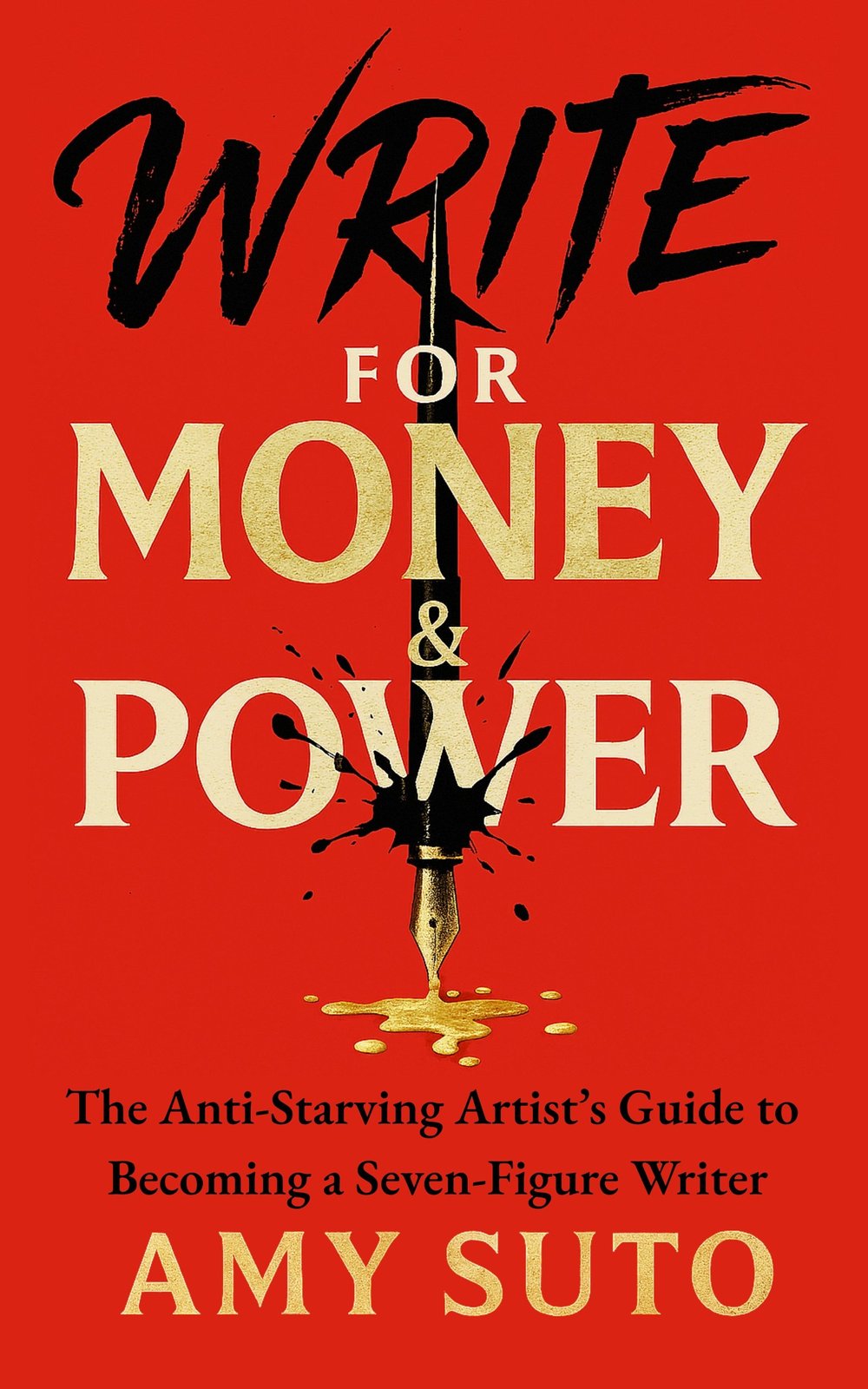
The anti-starving-artist's guide to becoming a seven-figure writer.
MY NEW NOVEL: LET ME BE YOUR GHOST
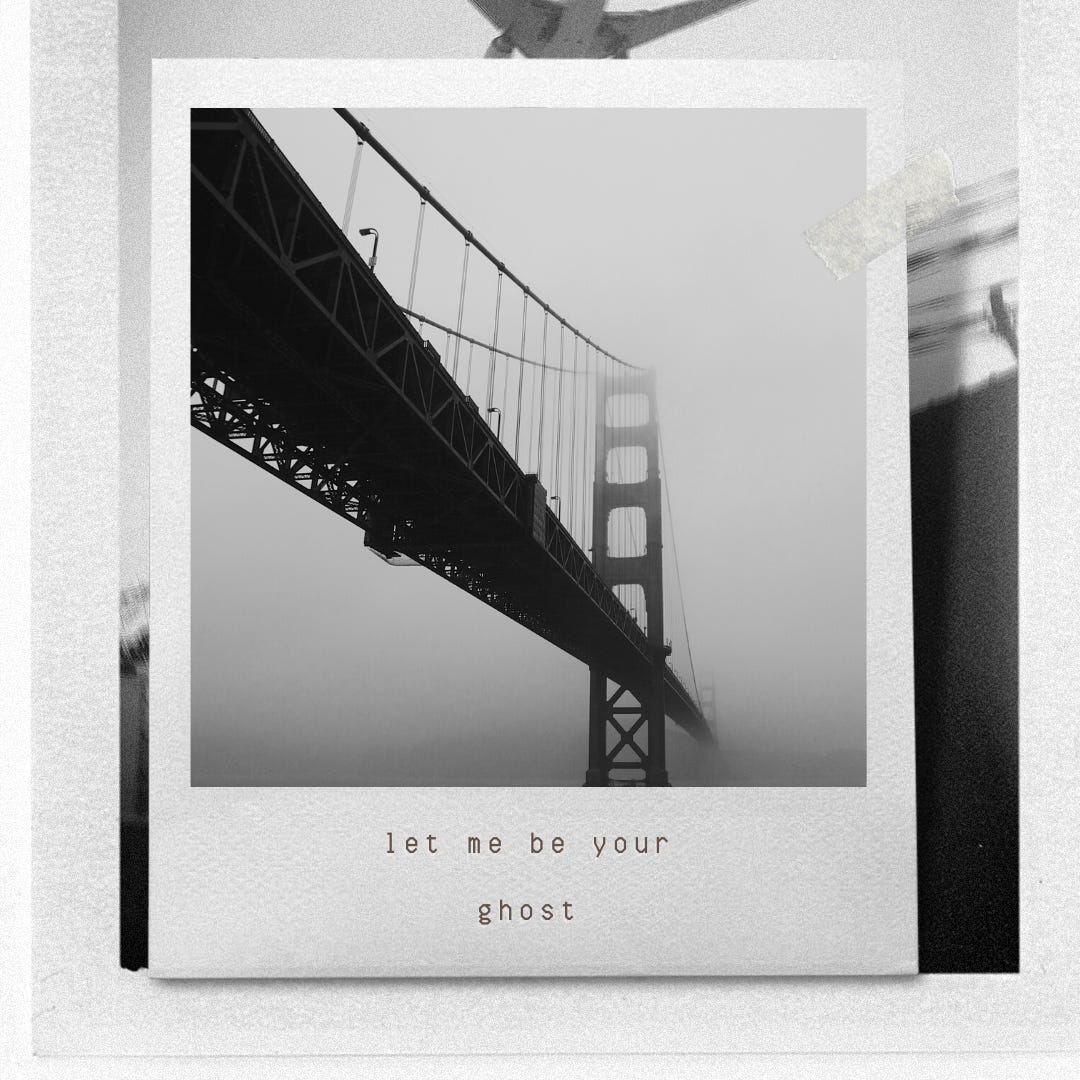
My romantic thriller arrives November 2026 — a ghostwriter with secrets, a billionaire CEO with more. Preorder one book, get two. Claim your bonus here →
MY ROMANTASY NOVEL: THE ASH TRIALS

The deadliest game is remembering who you are.
MY DETECTIVE NOVEL: THE NOMAD DETECTIVE

Crime crosses borders, but so does this detective.
MY HOW-TO BOOK: SIX-FIGURE FREELANCE WRITER
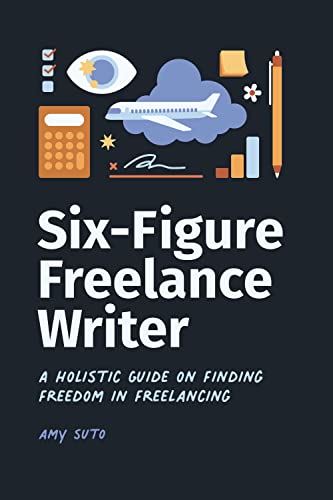
Work smarter, not harder — without the burnout.
RECENT POSTS
JOIN THE WRITING JOB BOARD
FOLLOW ME ON IG @SUTOSCIENCE