How to Land Writing Jobs

Trying to land a great writing job in 2025 can feel like submitting your best work into a black hole: too competitive, too underpaid, and somehow still asking for a “quick unpaid test.” Meanwhile, the best jobs rarely show up on the big job boards. They’re shared in private communities, passed around in writer group chats, and posted by clients who already know where to look.
That’s exactly why my husband Kyle and I built 🛋️ CozyJobs — a faster, fairer way to find high-quality writing jobs without doom-scrolling job boards for hours. Thousands of roles on a board updated daily, matched to your profile, so you can spend less time hunting and more time getting paid to write.
Whether you’re brand-new, rebuilding your pipeline, or ready to level up into higher-paying work, here’s how to actually land writing jobs that move your career forward.
What Does a Modern Writing Career Look Like?
The old model of “become a writer” was basically: move to an expensive city, accept low pay, and hope someone eventually “discovers” you.
The modern model is better.
Today, writing careers come in a dozen shapes — and many of the best ones are remote, flexible, and freelance-friendly. Full-time writing jobs can offer stability and mentorship, especially early on. But freelancers often trade that stability for something powerful: creative control, location freedom, and higher earning potential.
A modern writing career might include any mix of:
Ghostwriting memoirs, business books, or thought leadership
Content writing for startups (blogs, SEO, landing pages)
Copywriting for brands (emails, sales pages, ads)
Newsletter writing (Substack, brand newsletters, founder comms)
Editorial + essay writing for publications
Script writing (podcasts, YouTube, short-form video)
Case studies + white papers (B2B writing that pays well)
And yes — you can build this from anywhere. The location is optional. The skills aren’t.
Why the Best Writing Jobs Are Going Freelance
The writing market has shifted hard in the last few years:
Brands want specialists (not generic “writers who can do everything”)
Teams are leaner, so hiring is often project-based or retainer-based
Founders and creators are investing in personal brands, which means more demand for ghostwriters and newsletter writers
Publications increasingly rely on freelancers (especially for essays and reported pieces)
For writers, this is a green-light moment.
The opportunity isn’t just “find a writing job.” It’s: build a client roster that supports your life, your creativity, and your freedom.
But that only happens if you stop wasting time on low-quality listings… and start applying to the right ones.
Where to Find High-Quality Writing Jobs
If you’re serious about landing better writing work, your strategy should include a mix of:
Curated writing job newsletters (the fastest way to find hand-picked jobs)
Niche job boards for freelancers (not “everything for everyone”)
Referrals from other writers (once your network grows)
Direct pitching to brands, founders, and editors
Because the truth is: the biggest job boards are a mess.
You’ll see:
“Writing” jobs that are actually customer support
Roles with vague scope and no pay transparency
Underpaid jobs asking for 10 deliverables and “exposure”
AI-spam listings reposted 40 times
That’s why writers need trusted curators.
🛋️ CozyJobs was built to be your shortcut: a pipeline of writing jobs that are actually worth your time — including remote-friendly roles, retainer opportunities, and projects that pay writers like professionals.
How to Stand Out When Applying for Writing Jobs
Once you’ve found better listings, the game becomes positioning. Here’s how to make clients choose you:
1) Lead with outcomes (not just “I’m a great writer”)
Clients hire writing because they want a result: clarity, conversion, authority, traction, trust.
Instead of:
“I’m a strong writer with attention to detail.”
Try:
“I help founders turn expertise into clear, publish-ready essays that build authority and drive inbound leads.”
If you can include metrics, even better: conversion lifts, traffic growth, email performance, audience growth, etc.
2) Tailor your application to the job in front of you
Generic applications get generic results.
Reference what they’re building, match their tone, and reflect their goal back to them in one sentence. A client should feel: “Oh wow, this person gets it.”
3) Show one relevant sample, not twelve random links
A portfolio doesn’t need to be fancy — it needs to be focused.
A clean Notion page or Google Doc with:
3–5 best samples
A short “what I do + who I do it for” line
One mini case study (problem → approach → result)
That beats a beautiful site stuffed with unrelated work.
4) Make it easy to say yes
Include:
Your availability (hours/week or turnaround)
Your rate range or starting rates (when appropriate)
A clear next step: “Want me to draft a quick outline?” / “Happy to send 2–3 angles.”
5) Follow up like a working writer
A calm follow-up is not annoying — it’s professional.
One thoughtful nudge 3–5 business days later can be the difference between “lost in inbox” and “hired.”
Your Shortcut to Better Writing Jobs
Searching for quality writing gigs shouldn’t feel like a second unpaid job.
🛋️ CozyJobs sends daily job matches directly to your inbox — so you can spend your time writing, pitching smart, and building momentum (instead of sifting through spam).
Here’s what you’ll get with a paid subscription:
✍️ Curated Writing Job Board — updated 2x/week (freelance + ghostwriting jobs)
💼 Featured Jobs shared with the community first
🧠 Actionable advice for building a real writing career (without burnout)
🎓 ClassStack: live Zoom classes + replays (writing, freelancing, Substack growth)
💬 Subscriber chat for support, wins, and accountability
If you’re ready to build a writing life that funds your freedom, come join the writers making it happen.
You already know how to craft words that move people.
Now build a career that moves you.

Hello! 👋 I’m Amy Suto. I’m a bestselling author, Los Angeles + San Francisco content creator, and co-creator of the job board 🛋️ CozyJobs. Join CozyJobs to browse thousands of jobs and get daily matches to your inbox — writing and creative roles front and center!
GET ON THE LIST
Find your next writing job on 🛋️ COZYJOBS — thousands of jobs on a board updated daily, writing and creative roles front and center. ✨ The application tracker is free (basic CozyApply autofill is too), and paid plans start at $25/month with daily job matches straight to your inbox. Real writers are landing real work—don’t miss out.
WORK WITH ME ON YOUR SUBSTACK
Tell me about your newsletter. I read every note myself, and the first call is free. How it works →
FOLLOW ME ON GOOGLE
Add me as a preferred source and Google shows you more of my posts in Top Stories.

MY NEW BOOK: WRITE FOR MONEY & POWER
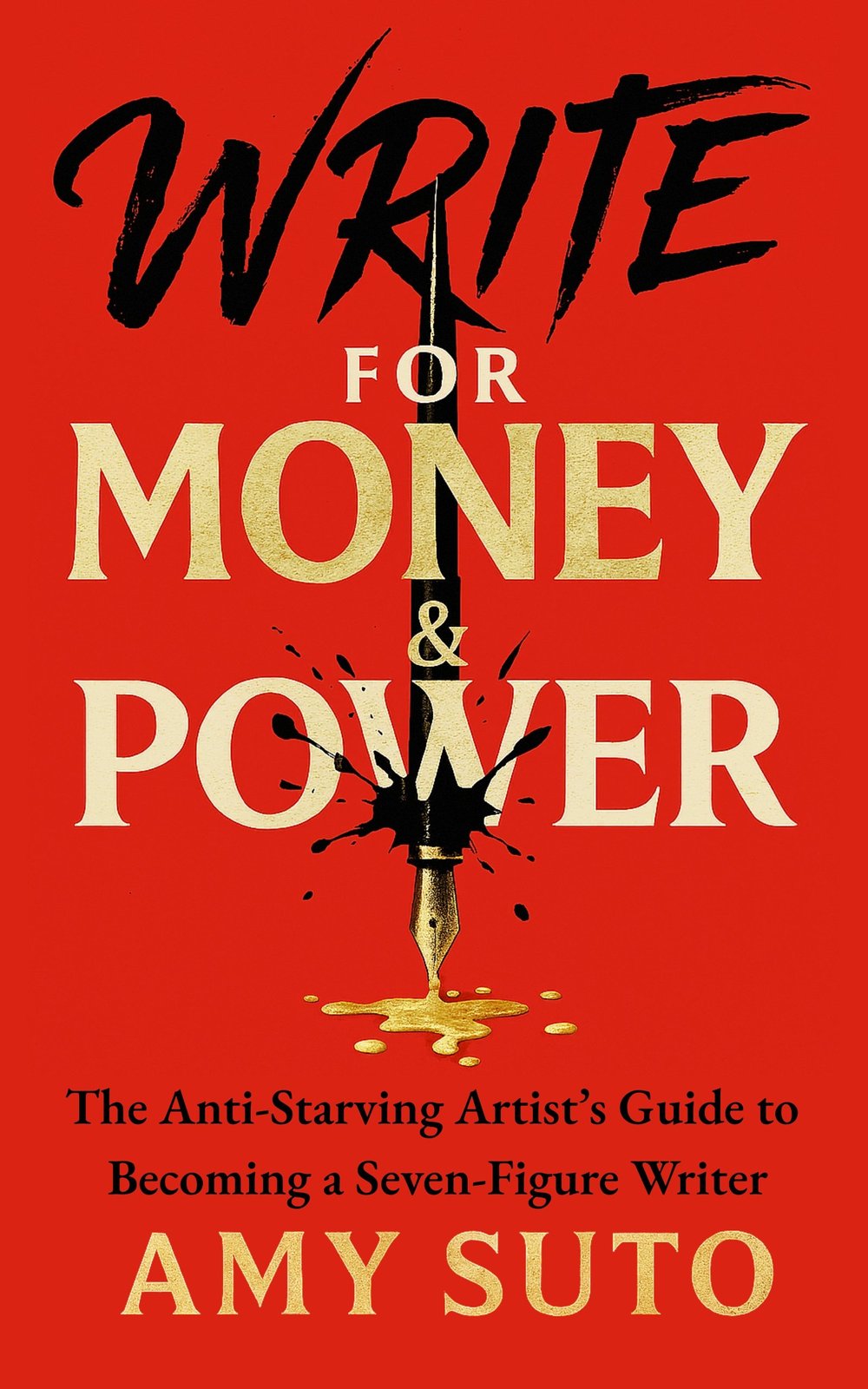
The anti-starving-artist's guide to becoming a seven-figure writer.
MY NEW NOVEL: LET ME BE YOUR GHOST

My romantic thriller arrives November 2026 — a ghostwriter with secrets, a billionaire CEO with more. Preorder one book, get two. Claim your bonus here →
MY ROMANTASY NOVEL: THE ASH TRIALS
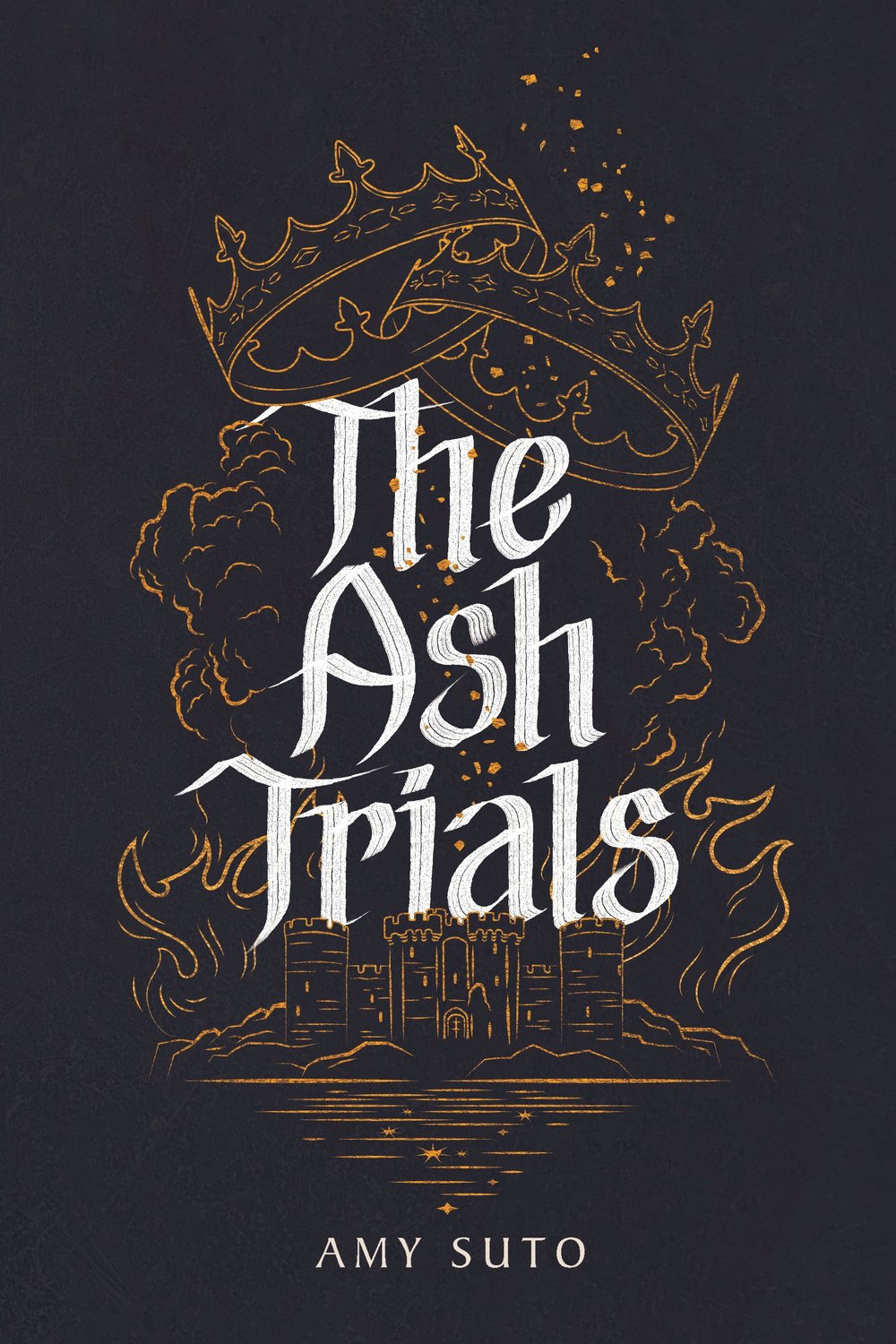
The deadliest game is remembering who you are.
MY DETECTIVE NOVEL: THE NOMAD DETECTIVE

Crime crosses borders, but so does this detective.
MY HOW-TO BOOK: SIX-FIGURE FREELANCE WRITER
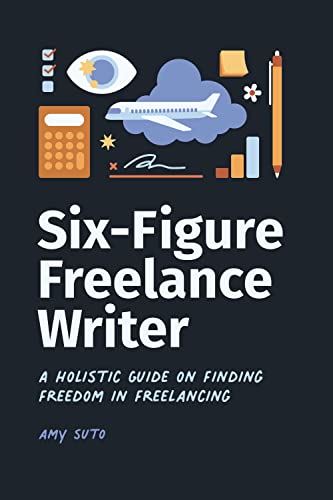
Work smarter, not harder — without the burnout.
RECENT POSTS
JOIN THE WRITING JOB BOARD
FOLLOW ME ON IG @SUTOSCIENCE